
rabbit cage water bottle low leak issues usually show up the same way: wet bedding under the spout, a damp rabbit chest, or a mysterious puddle that makes you question everything in the setup. The good news is most “leaks” come from a handful of fixable causes, and you don’t need to replace the whole cage to get a cleaner, drier result.
If you care about your rabbit’s comfort (and your nose), it’s worth taking seriously. Damp litter and bedding can contribute to skin irritation and can make ammonia smells build faster, especially in smaller indoor spaces. Even when it’s “just a drip,” the daily mess adds up.
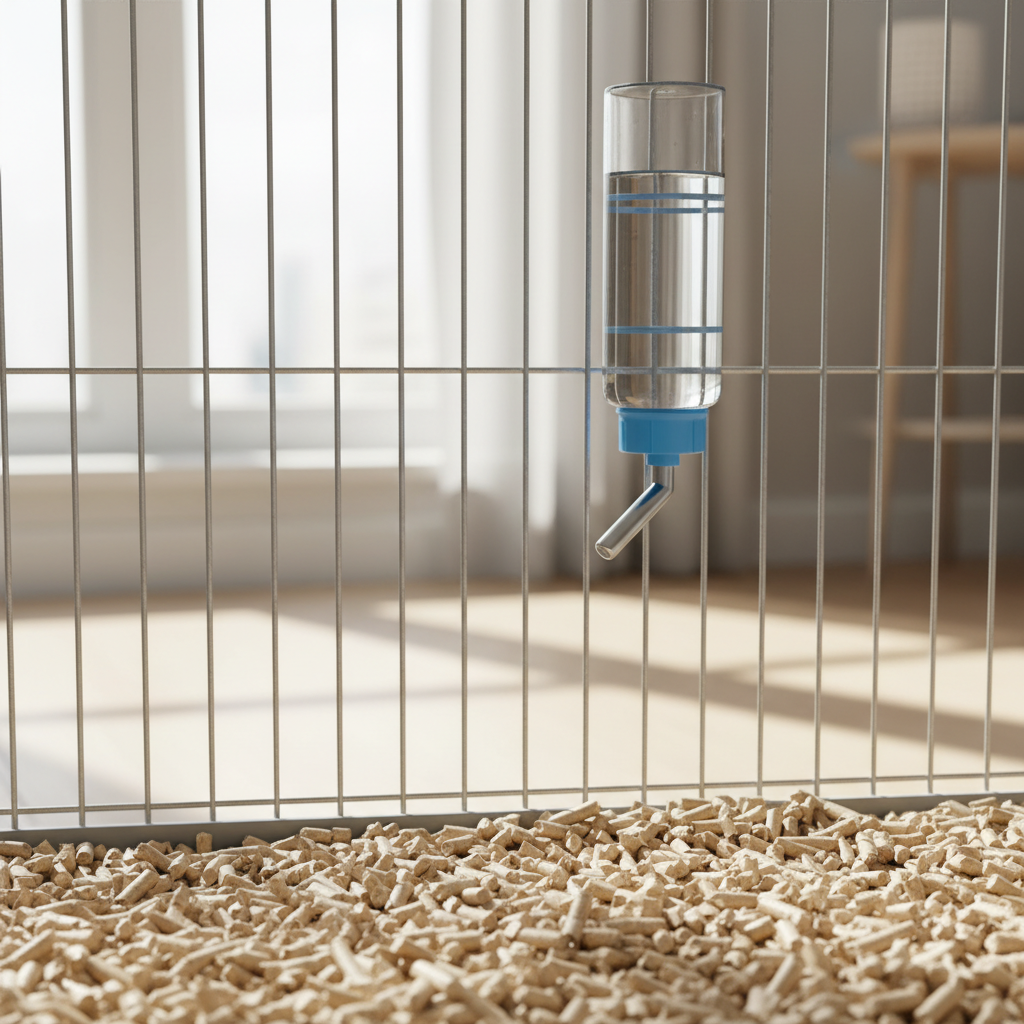
This guide breaks down why bottles drip, how low-leak designs actually work, and how to install and maintain one so it stays low-leak in real life, not just on a product listing.
Why “Low-Leak” Bottles Still Drip in Real Cages
Most rabbit bottles use a ball-bearing sipper tube, water stays in the bottle because a small vacuum forms as water leaves. When anything interrupts that balance, you get drips.
- Air leaks at the cap or gasket: A loose cap, worn O-ring, or cracked plastic breaks the vacuum and lets water creep out.
- Mineral buildup on the sipper ball: Hard-water scale can keep the ball from sealing cleanly, so it weeps.
- Wrong bottle angle: Many bottles need a slight upward tilt so the ball seats correctly.
- Temperature and pressure changes: Warm rooms, direct sun near a window, or moving the bottle can change pressure and cause brief dripping.
- Rabbits “playing” with the tube: Some rabbits repeatedly nudge or mouth the spout, which can trigger extra drips even with a decent design.
According to American Veterinary Medical Association (AVMA)... keeping a clean, dry environment is an important part of routine small-animal care. While AVMA guidance isn’t “about bottles,” the takeaway applies: moisture control in the enclosure matters.
What “Low Leak Design” Usually Means (And What to Look For)
“Low leak” isn’t a regulated label, so brands can mean different things. Practically, you want design choices that protect the seal, stabilize pressure, and reduce tiny failure points.
Common low-leak features that actually help
- Silicone gasket/O-ring at the cap: Better sealing than bare plastic threads.
- Thicker, more rigid bottle body: Less flex means more stable pressure.
- Stainless-steel sipper tube with a smooth seat: Helps the ball settle and close.
- Dual-ball or refined ball-seat designs: Some models use improved geometry to reduce micro-drips.
- Stable mounting bracket: A wobbly bottle invites leaks, especially when your rabbit bumps it.
Features that sound nice but don’t guarantee much
- “Anti-drip” wording with no gasket, no replacement parts, and a very thin plastic cap.
- Very small spout balls that clog easily in hard-water areas.
- Complicated venting systems that are hard to clean (cleaning is half the battle).
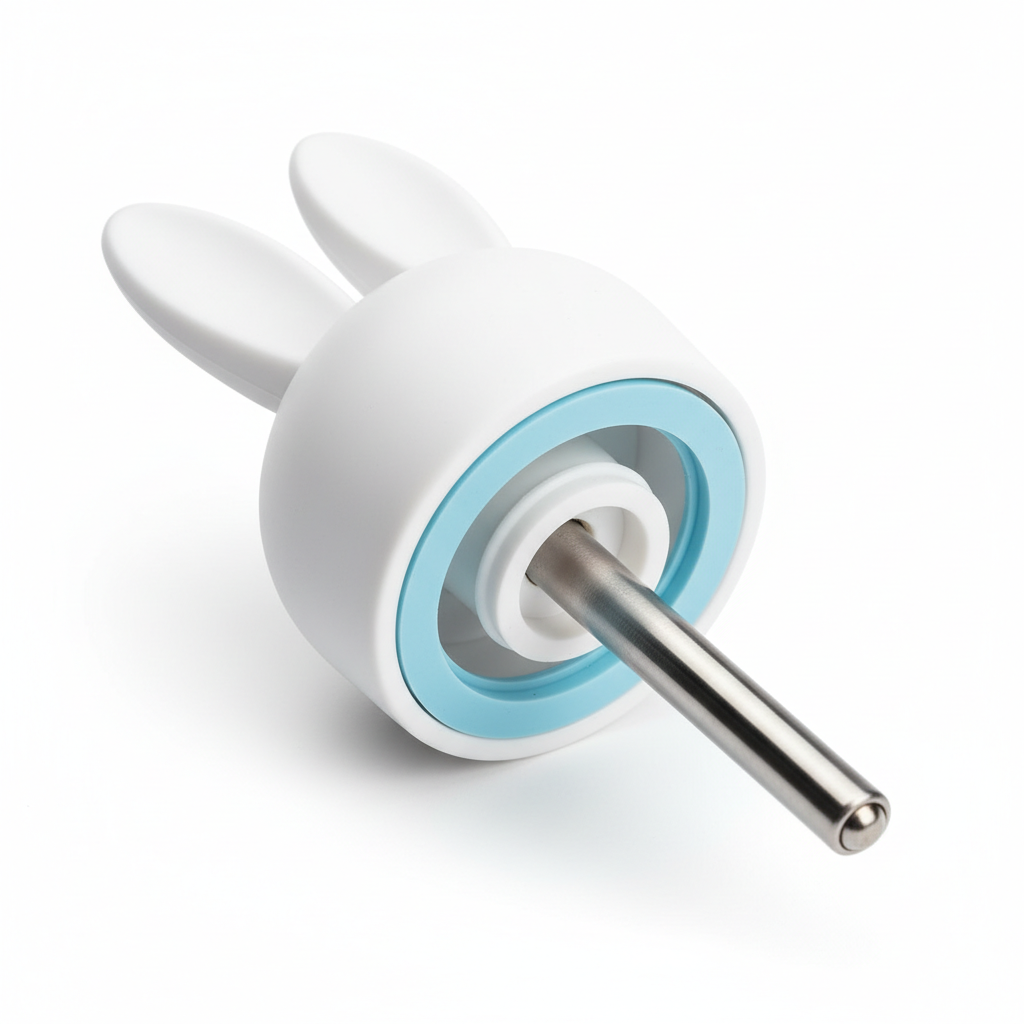
If you’re shopping online, look for clear photos of the cap interior (gasket visible) and the mounting hardware. If those details aren’t shown, that’s often a sign the “low leak” claim is mostly marketing.
Quick Self-Check: Is It the Bottle, the Install, or the Setup?
Before you buy a new bottle, take five minutes and identify where the moisture starts. Many “bad bottle” situations are really “bad seal” or “bad angle.”
- Wet only under the spout → likely sipper ball not sealing, mineral buildup, or wrong tilt.
- Wet around the cap/neck → likely gasket issue, cracked threads, cross-threaded cap, or over-tightening causing warp.
- Drips after refilling, then it settles → often pressure/temperature change, sometimes normal.
- Drips increase after cleaning → gasket re-seated wrong, debris on the ball, or cap not fully aligned.
- Only leaks when rabbit uses it → mount instability or rabbit tugging/bumping the bottle.
Key point: If water seems to “run” rather than drip, stop using that bottle until you find the cause. Flooded bedding can become a hygiene problem fast.
Choosing a Rabbit Bottle That Stays Low-Leak: A Practical Comparison Table
Different bottle styles fit different cages and rabbit habits. This table helps you pick based on what usually goes wrong.
| Type | Pros | Typical leak triggers | Best for |
|---|---|---|---|
| Classic ball-bearing bottle (plastic) | Cheap, widely available | Worn cap threads, scale on ball, thin bottle flex | Short-term setups, soft water areas |
| Reinforced “low-leak” bottle with silicone gasket | Better seal, fewer random drips | Gasket misaligned, mounting wobble | Most indoor pet rabbits |
| Glass bottle with metal cap/sipper | Rigid body, stable pressure, easier to keep odor-free | Gasket wear, heavier so mount must be solid | Hard water users, odor-sensitive homes |
| Bowl/crock (no bottle) | Natural drinking posture, easy cleaning | Spills from digging, tipping, hay contamination | Rabbits that hate sippers, supervised spaces |
If your main goal is rabbit cage water bottle low leak performance, prioritize a gasketed cap and a mount that doesn’t twist. Those two details solve more problems than most “new tech” claims.
Installation Steps That Reduce Leaks (This Is Where Most People Lose)
A good bottle can still drip if it’s mounted wrong. Spend a minute here, it usually saves days of frustration.
1) Rinse and “prime” the sipper
Before the first use, rinse the bottle and run clean water through the sipper by tapping the ball with a spoon or finger until water flows smoothly. This helps remove tiny manufacturing residues that can interfere with sealing.
2) Fill, cap, then invert once
Fill with cool water, tighten the cap until snug (not “white-knuckle tight”), then invert the bottle over a sink for 2–3 seconds. A brief initial drip can be normal while pressure equalizes.
3) Mount with a slight upward tilt
Many sipper tubes seal best when the tube points slightly upward into the cage, not perfectly level or downward. You’re aiming for stable contact between the ball and its seat.
4) Stop wobble at the source
- Use the included spring or bracket, and add a second fastener if the cage bars allow.
- If the cage wall flexes, move the bottle to a sturdier section.
- Keep it away from “launch points” where rabbits jump and kick the wall.
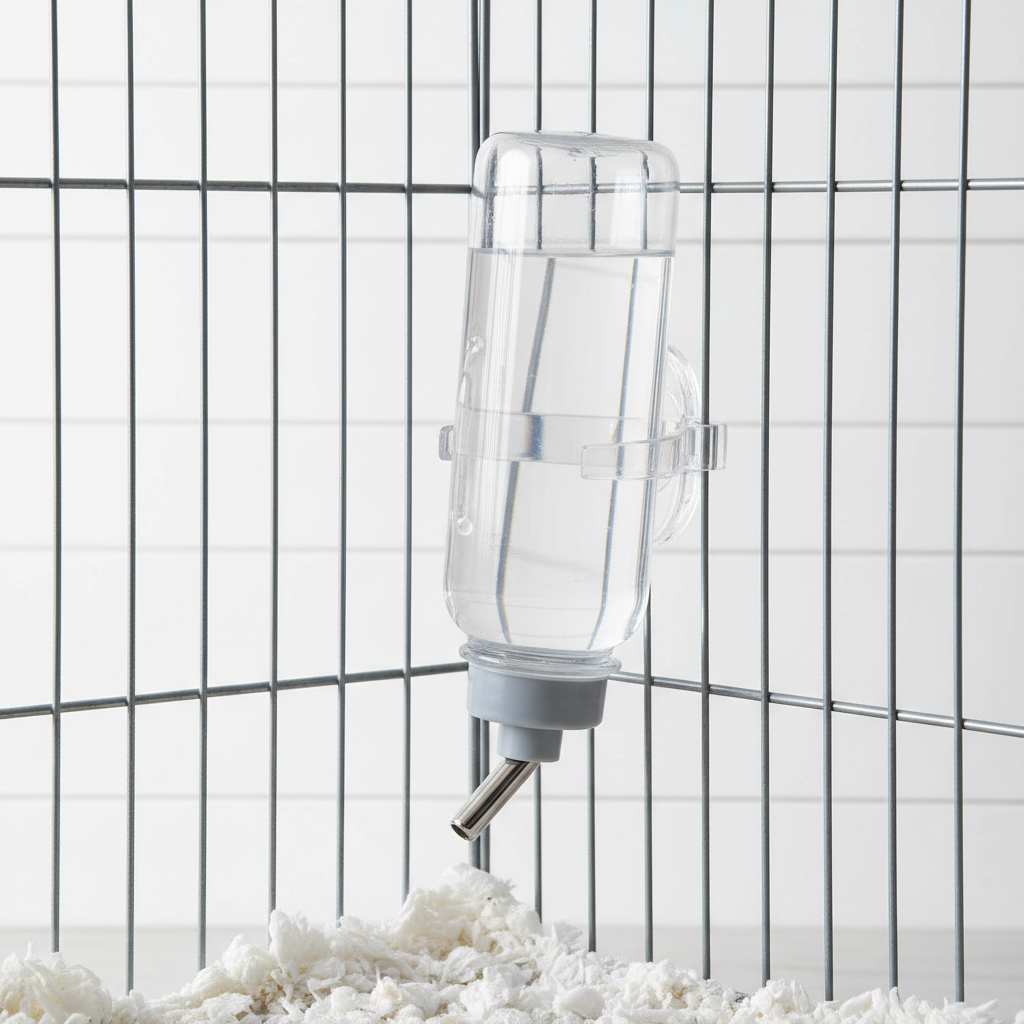
Quick reality check: if your rabbit is a persistent bottle-bumper, even excellent hardware may still leave a few drops. In that case, the goal becomes “no puddles” rather than “never a drop.”
Maintenance: Keep the Bottle Low-Leak Week After Week
Low leak performance usually fails slowly, not suddenly. A little routine prevents the classic cycle of drip → soaked bedding → deep clean → drip again.
Weekly habits that help
- Check the cap seal: Remove the cap, wipe the gasket, re-seat it flat.
- Brush the sipper tube: Use a narrow bottle brush to clear biofilm that can affect the ball movement.
- Watch for scale: If you see white buildup, you likely need more frequent descaling.
Descaling (for hard water areas)
Many owners use diluted white vinegar soaks for mineral deposits, then rinse thoroughly until no odor remains. If you’re unsure about ratios or your rabbit reacts to smells, ask a rabbit-savvy veterinarian for guidance. According to FDA... vinegar is commonly used in households, but anything used on pet equipment should be rinsed well to avoid irritation or refusal to drink.
If your rabbit drinks less after a cleaning, take that seriously. Reduced water intake can become a health concern, and a veterinarian can help you rule out dental pain or other issues that sometimes show up as “they don’t like the bottle.”
Troubleshooting: Fix the Most Common Leak Scenarios Fast
When you’re trying to hit true rabbit cage water bottle low leak behavior, you want a short list of moves that actually changes the outcome.
- Dripping won’t stop after install: Re-seat gasket, loosen cap slightly, remount with slight upward tilt, test over sink.
- Cap area stays wet: Inspect for hairline cracks, replace gasket if possible, avoid over-tightening.
- Only leaks overnight: Check for temperature swings near windows or vents, relocate bottle away from direct sun.
- Rabbit gets wet chin/chest: Ensure tube height fits your rabbit, confirm water flow isn’t too stiff or too loose.
- Small drips still happen: Add a drip cup or place a small absorbent pad under the spout, change it daily.
Key takeaway: Don’t chase “anti-drip” perfection at the expense of access to water. A bottle that never drips but is hard to drink from creates a bigger problem.
Conclusion: A Dry Cage Comes from Design + Setup
A low-leak bottle can absolutely cut the daily mess, but the real win comes from pairing the right hardware with a stable mount, a good angle, and simple maintenance. If you only do two things this week, re-seat the gasket and fix the wobble, those are the highest-leverage moves for most cages.
If you’re upgrading, choose a bottle with a visible silicone seal and solid mounting parts, then test it over a sink before you trust it above fresh bedding. That small step prevents most surprises.
FAQ
Why does my rabbit’s water bottle drip right after I refill it?
A brief drip after refilling is often pressure equalizing. If it keeps dripping for more than a few minutes, look for a cap seal issue or an angle problem.
Is a bowl better than a bottle for preventing leaks?
A bowl avoids sipper-drips, but many rabbits tip or soil bowls, so the “leak” becomes a spill. For low mess, some owners use a heavy crock plus a backup bottle.
How do I know if the gasket is the problem?
If moisture shows up around the cap/neck rather than only at the tube, the seal is a prime suspect. Remove it, clean it, and make sure it sits flat without twists.
Can hard water cause a rabbit water bottle to leak?
Yes, mineral buildup can keep the ball from sealing. If you see chalky deposits, more frequent cleaning and periodic descaling often improves low-leak performance.
What angle should a rabbit bottle be mounted at?
Many setups work best with a slight upward tilt into the cage so the ball seats properly. Exact angle varies by model, so test by mounting, tapping the ball, and watching for drips.
Is it safe to use vinegar to clean rabbit water bottles?
Many people do, but you should rinse extremely well and ensure no smell remains, since some rabbits may refuse water if it tastes off. If your rabbit has a sensitive stomach or reduced drinking, ask a veterinarian.
My rabbit chews the bottle mount and it starts leaking, what now?
That’s usually a stability issue. Reinforce the mount, relocate the bottle to a less “kickable” section, and consider adding a protective cover or switching to a heavy crock if chewing continues.
If you’re trying to solve a persistent rabbit cage water bottle low leak headache and you’d rather not gamble on random listings, it can help to choose a bottle with replaceable gaskets and a rigid mount, then set it up once the right way and keep a simple weekly cleaning rhythm.