
The best puppy pads for potty training are the ones that match your home setup and your puppy’s habits, because a “great pad” that slides, leaks, or confuses your pup turns training into cleanup duty.
If you’re comparing pads in 2026, the choices feel endless, charcoal, scented, pheromone, washable, extra-large, and every brand claims “leakproof.” In real life, most frustration comes from three things: pads that don’t stay put, pads that don’t hold enough, and a training routine that changes too often.
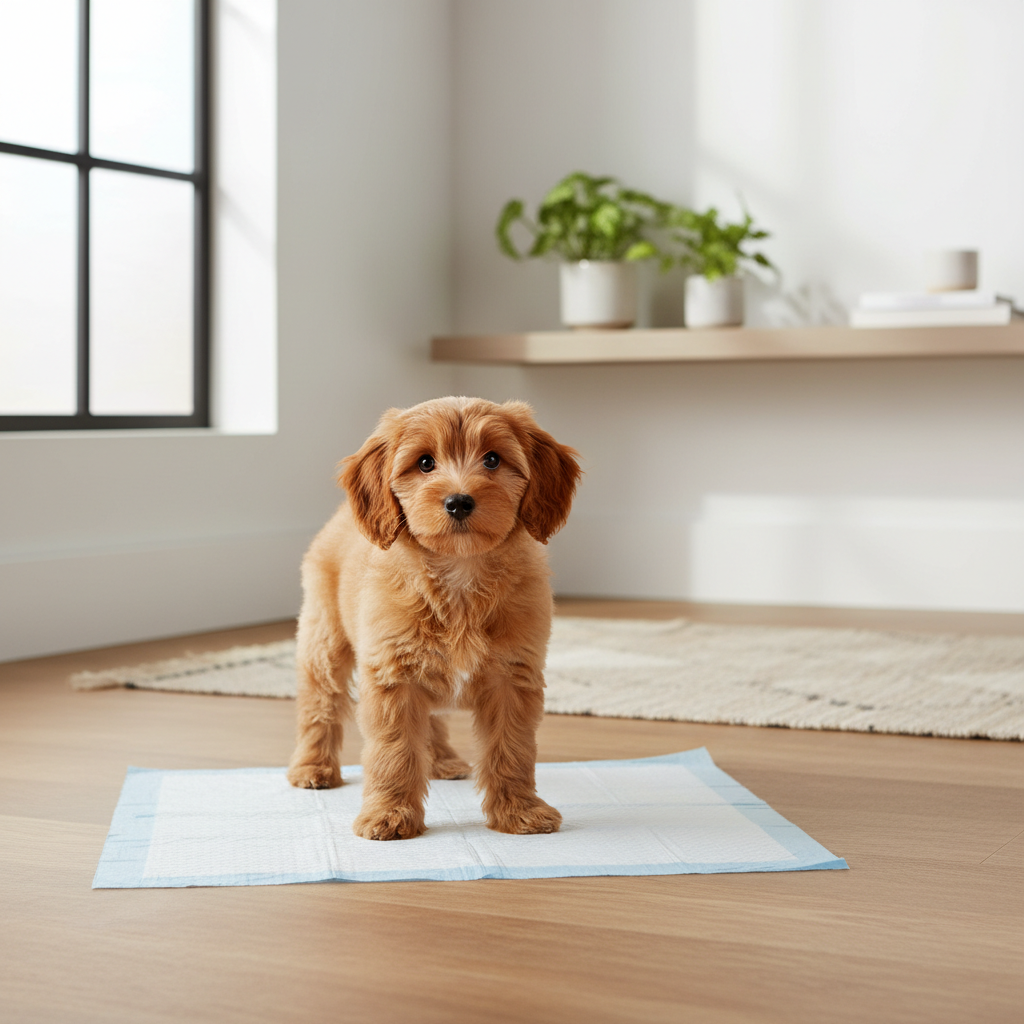
This guide stays practical: what actually matters in a pad, how to pick by breed size and schedule, and a simple routine that helps your puppy understand the “target” without turning your floors into a guessing game. You’ll also get a quick comparison table and a checklist to spot what’s going wrong.
What matters most in puppy pads (and what’s mostly marketing)
When people say a pad “works,” they usually mean it does two jobs: it contains liquid and it makes the right spot obvious. Everything else is a bonus.
Absorbency and wicking
Absorbency is not just “how much it holds,” it’s also how fast it pulls moisture away from paws. A pad that stays wet on top invites tracking and makes some puppies avoid it. If your pup steps in pee and then runs off, look for faster wicking and a larger surface.
Leak-proof backing and edge control
Many pads have a plastic backing, but edges still fail when urine hits the perimeter. If your puppy aims near corners or you’re using a pad holder, choose pads with stronger edge sealing or a slightly oversized pad for the tray.
Stay-put performance
Sliding is a hidden problem. Puppies pounce, dig, and drag pads like toys, then have an accident where the pad used to be. Adhesive corners can help, but a holder or tray usually fixes the issue more reliably.
Odor control: charcoal and light fragrance
Charcoal layers often reduce smell in small spaces. Heavy fragrance is hit-or-miss, some dogs dislike it and avoid the pad. If you have a sensitive pup, neutral or mild odor control tends to cause fewer surprises.
Attractants (pheromone, “training scent”)
These can help some puppies make the connection faster, but they are not a substitute for timing and routine. If you’re already consistent, attractant pads may give you a small boost; if your schedule is chaotic, they rarely “solve” it.
Quick comparison: choosing the right pad type for your home
Below is a practical way to compare pad styles. The “best” choice depends on whether you’re dealing with apartment living, long workdays, heavy wetters, or puppies that shred paper.
| Pad type | Best for | Pros | Watch-outs |
|---|---|---|---|
| Standard disposable | Most puppies, short training windows | Easy, widely available, affordable | May slide, may leak at edges if undersized |
| Extra-absorbent / thick core | Heavy wetters, overnight, larger breeds | Less overflow, drier top layer | Bulkier, costs more per use |
| Charcoal / odor-control | Apartments, small rooms | Helps with smell management | Odor control varies by brand |
| Scented or attractant pads | Puppies struggling to “choose the pad” | May improve targeting | Some pups avoid strong scents |
| Washable fabric pads | Eco-focused homes, long-term indoor use | Reusable, less waste | Laundry workload, needs proper drying to avoid odor |
| Pad + tray/holder system | Puppies that shred or drag pads | Stability, cleaner edges | Upfront cost, tray needs cleaning |
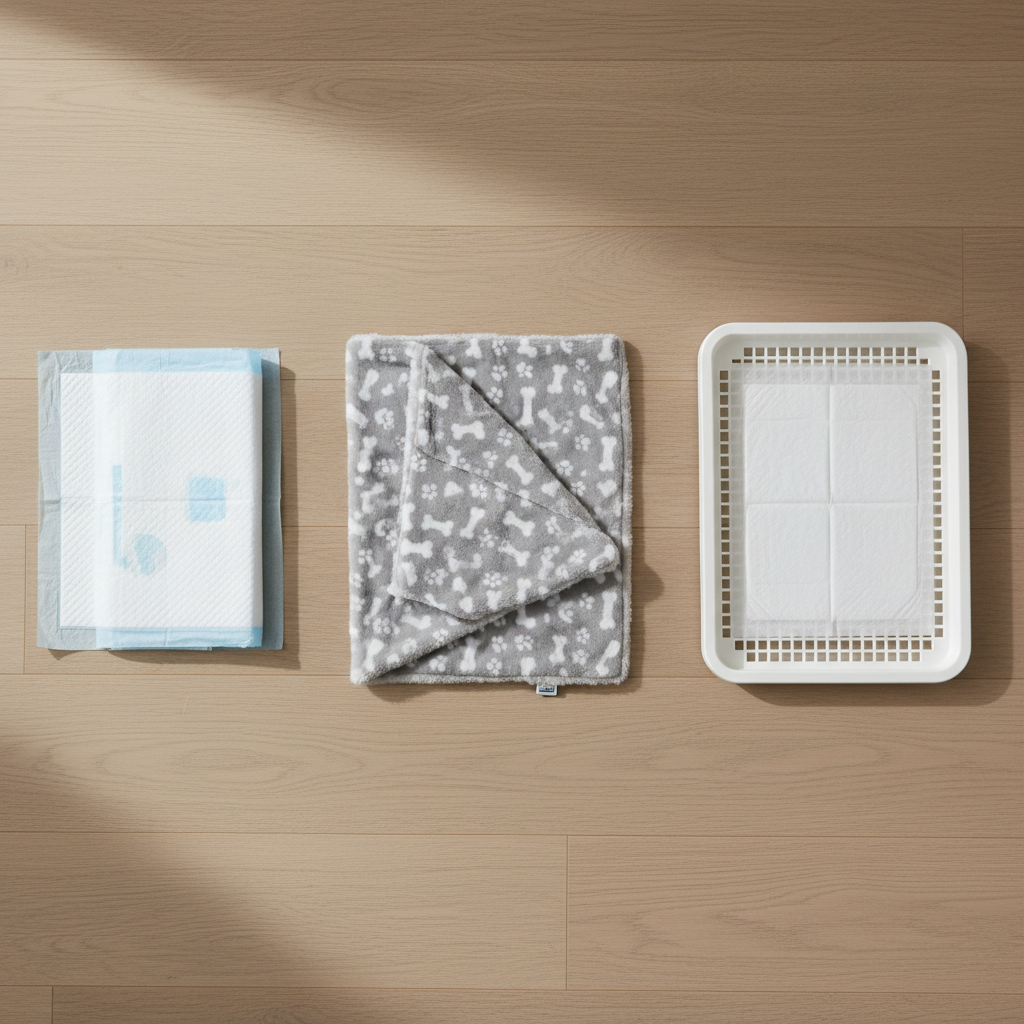
Key takeaway: if you keep dealing with shredded pads or “misses” next to the pad, switching pad type often helps more than switching brands. A tray system plus a larger pad solves a lot of “my puppy refuses the pad” complaints.
How to pick the best puppy pads for potty training by your situation
Instead of chasing the “#1 pad,” choose based on the situation that creates mess in your home. That’s usually where the real payoff lives.
Apartment living (odor + limited outdoor breaks)
- Pad choice: charcoal/odor-control or thicker core disposables
- Setup: one consistent station, away from food and water, ideally near the door you’ll later use for outdoor trips
- Extra help: a tray reduces shifting on hard floors
Long workdays (the pad must “hold up”)
- Pad choice: extra-absorbent, larger size than you think you need
- Rule of thumb: if your pup may need multiple pees between changes, prioritize capacity over scent
- Reality check: very young puppies often can’t comfortably “wait,” so plan for a midday break if possible
Puppies that shred, dig, or treat pads like toys
- Pad choice: pad + holder tray, or washable pads with tougher stitching
- Training tweak: reduce excitement around the station, reward calm use, remove the pad if your pup starts a play session
Small breeds vs. large breeds
- Small breeds: standard pads can work, but slipping is common on tile, consider adhesive corners or a holder
- Large breeds: go bigger and thicker early; “almost fits” usually becomes “misses the edge”
A fast self-check: why your puppy keeps missing the pad
If you’re buying pad after pad and nothing sticks, it’s often not the brand. Run through this list and mark what’s true.
- Your puppy pees on the pad sometimes, but also next to it, especially near corners
- The pad shifts, bunches, or gets dragged even once a day
- You move the pad location depending on convenience or cleanup
- You changed pad type (texture or scent) multiple times in one week
- Your puppy only has accidents when excited, after naps, or right after play
- You reward after the fact, not at the moment your puppy finishes on the pad
If the first two bullets are true, treat it as a setup problem. If the last three are true, treat it as a timing problem. Solving the right category usually improves results faster than upgrading to a pricier pad.
Practical potty-pad training routine (simple, consistent, realistic)
The goal is to make the pad the easiest place to succeed. This routine is basic on purpose, it’s what most homes can actually keep up with.
Step 1: Build one “bathroom station”
- Pick a spot with low traffic and easy cleaning.
- Use one pad size and type for at least a week.
- If sliding happens, add a tray or non-slip mat under the pad.
Step 2: Time the attempts, don’t wait for accidents
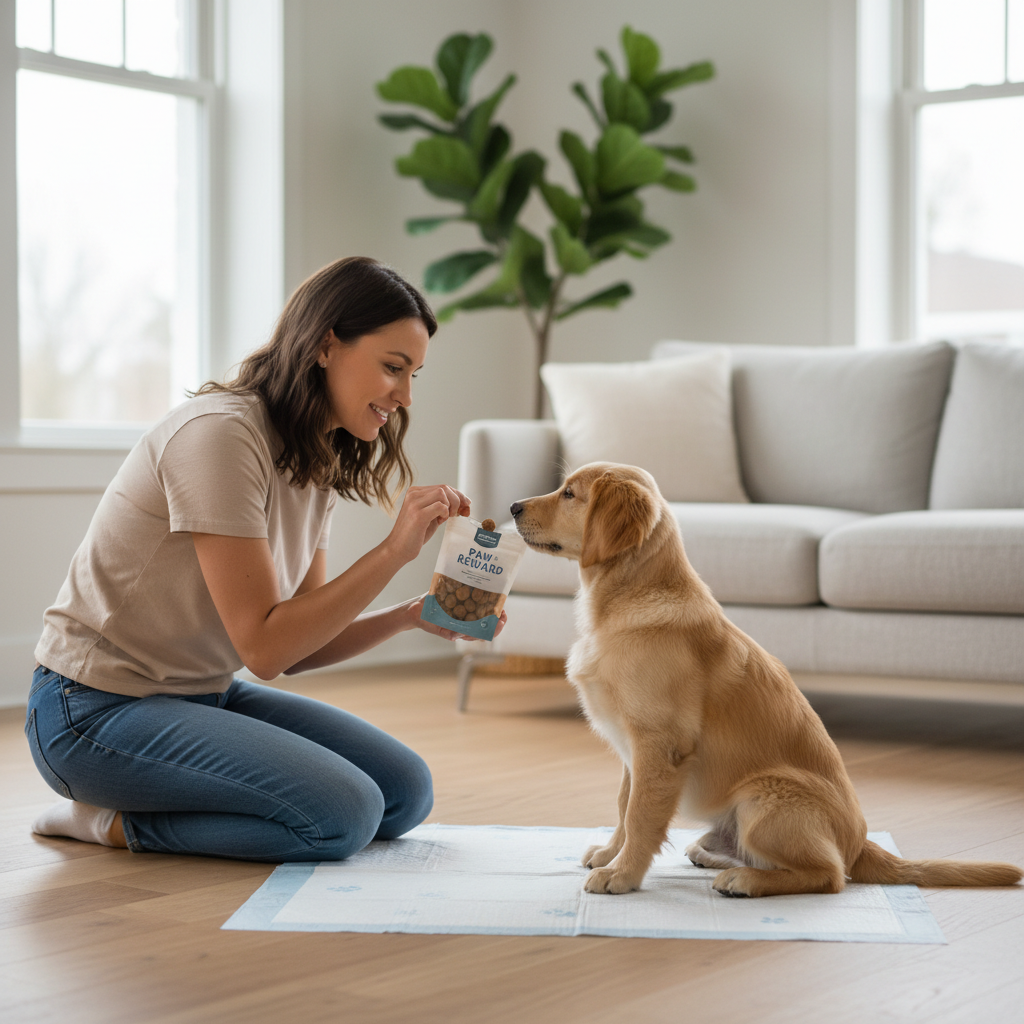
Most puppies need to go after sleep, after play, after eating, and after drinking. Put your puppy on the pad during those windows, then wait quietly. When it happens, reward immediately and keep it low-key.
Step 3: Reward the end of the behavior
Reward when your puppy finishes on the pad, not midway, or you risk interrupting. A small treat plus calm praise works. If your dog gets overexcited and runs off, use a softer reward style.
Step 4: Reduce pad area over time (optional)
If you started with multiple pads or a large “landing zone,” tighten it gradually as accuracy improves. Keep changes small; puppies notice texture and layout shifts more than many people expect.
Step 5: If you plan to transition outdoors, move the station thoughtfully
Many households want pads as a short-term bridge, not a permanent toilet. If that’s you, shift the pad closer to the door in small moves over days, then start pairing pad trips with outdoor trips. According to the American Kennel Club (AKC), consistency and positive reinforcement are central themes in housetraining guidance, which matters even more during a transition.
Safety and quality details people skip (but shouldn’t)
Puppy pads are simple products, but there are a few checks worth doing, especially if your puppy chews everything.
- Chewing risk: if your puppy tears and swallows pad material, stop using loose pads and switch to a tray system or consult a veterinarian. Ingested material can be risky.
- Scent sensitivity: if your puppy avoids scented pads, go unscented and focus on routine; forced scent “solutions” often backfire.
- Skin irritation: if you notice redness on paws or belly, try a different top sheet texture and keep the area dry, a vet can help rule out allergies or irritation.
- Cleaning around the station: use an enzymatic cleaner for misses; according to the ASPCA, odor cues can encourage repeat accidents in the same spot, and enzyme-based products are commonly recommended for pet messes.
Conclusion: how to buy smarter in 2026 (without overthinking it)
The best puppy pads for potty training usually come down to three decisions: pick the right size, prevent slipping, and choose absorbency that matches how long the pad must last. Once those are handled, your training routine does most of the heavy lifting.
If you want one practical next step, buy a slightly larger pad than your puppy “needs” and pair it with a holder if you’ve seen any sliding or shredding. Then hold the setup steady for a full week before judging results.
FAQ
- What size puppy pad should I buy for potty training?
Go larger if you see edge misses or if your puppy circles before going. Many households fix accidents simply by moving up a size so the target feels “easy” to hit. - Are scented puppy pads better for training?
Sometimes, but not always. Mild attractants can help a puppy choose the pad, while strong fragrance can cause avoidance. If your pup hesitates, try unscented before assuming you need more scent. - How often should I change puppy pads?
Change when the surface stays damp, when odor builds, or after a bowel movement. If your puppy starts avoiding the pad, a too-wet pad is a common reason. - Do washable puppy pads work as well as disposable ones?
They can, especially with frequent washing and proper drying. The tradeoff is laundry time and the need to prevent lingering odor, which can happen if they stay damp too long. - Why does my puppy pee right next to the pad?
This often points to pad movement, too-small pad size, or inconsistent placement. Stabilizing the pad with a tray and keeping one station usually improves accuracy. - Should I use puppy pads if I ultimately want outdoor potty training?
It depends on your schedule and living situation. Pads can be a temporary bridge, but plan the transition early by moving the station toward the exit and pairing pad trips with outdoor trips. - What if my puppy eats or chews the pad?
Switch to a pad holder or a different setup right away and consider asking a veterinarian, chewing and swallowing materials can be hazardous.
If you’re trying to pick a setup fast, focus on one question: do you need maximum absorbency, maximum stability, or maximum odor control in your space, then choose a pad type that solves that problem first. It’s usually the quickest path to fewer accidents and calmer training days.