
Cat self warming bed no electricity is usually the simplest way to give a chilly cat a warmer nap spot without cords, timers, or the worry of a heating element running too hot.
If your cat keeps hunting for the sunbeam, curling on the laptop, or camping on a blanket you just used, they’re telling you something, warmth matters, especially for kittens, seniors, short-haired breeds, and cats who tend to run thin.
This guide breaks down how self-warming beds actually work, when they’re worth it, what features matter in the U.S. market, and how to avoid the common “bought it, cat ignored it” outcome.
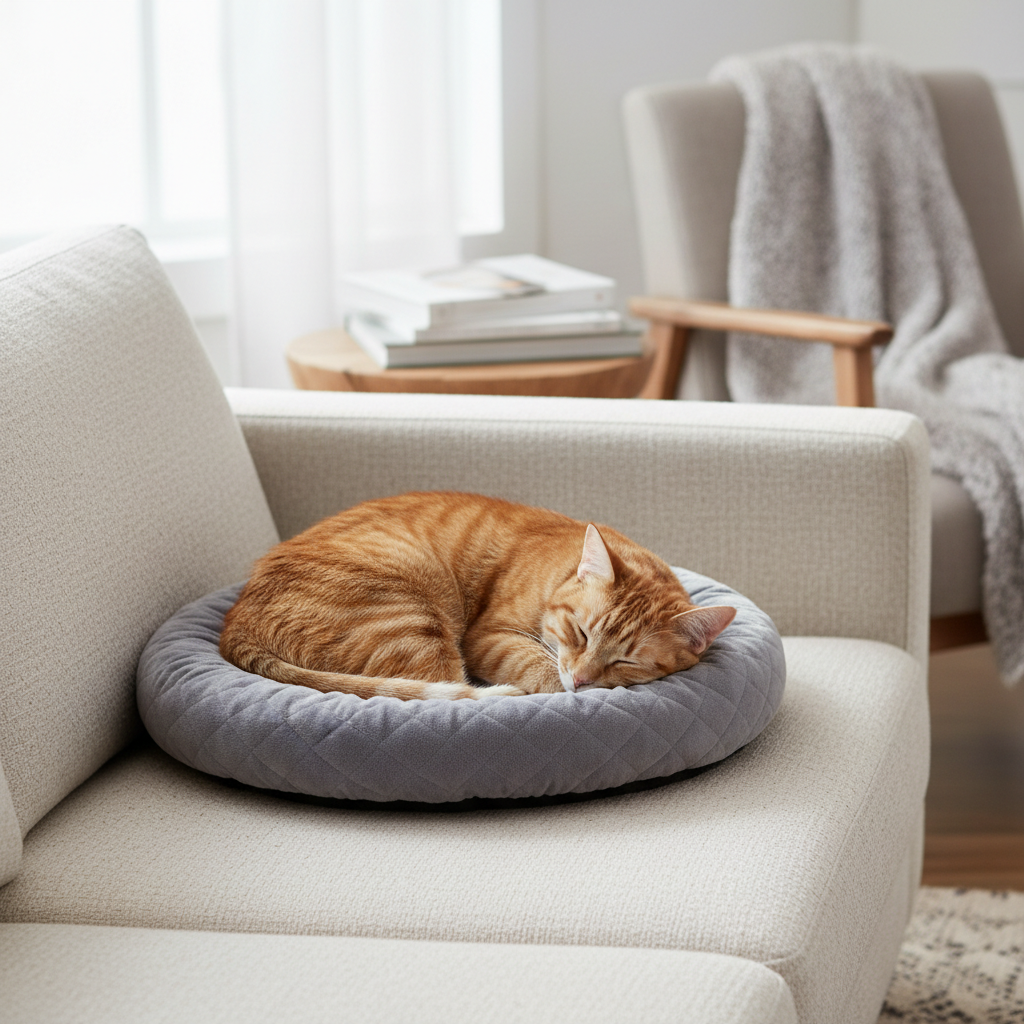
What a self-warming cat bed is (and what it is not)
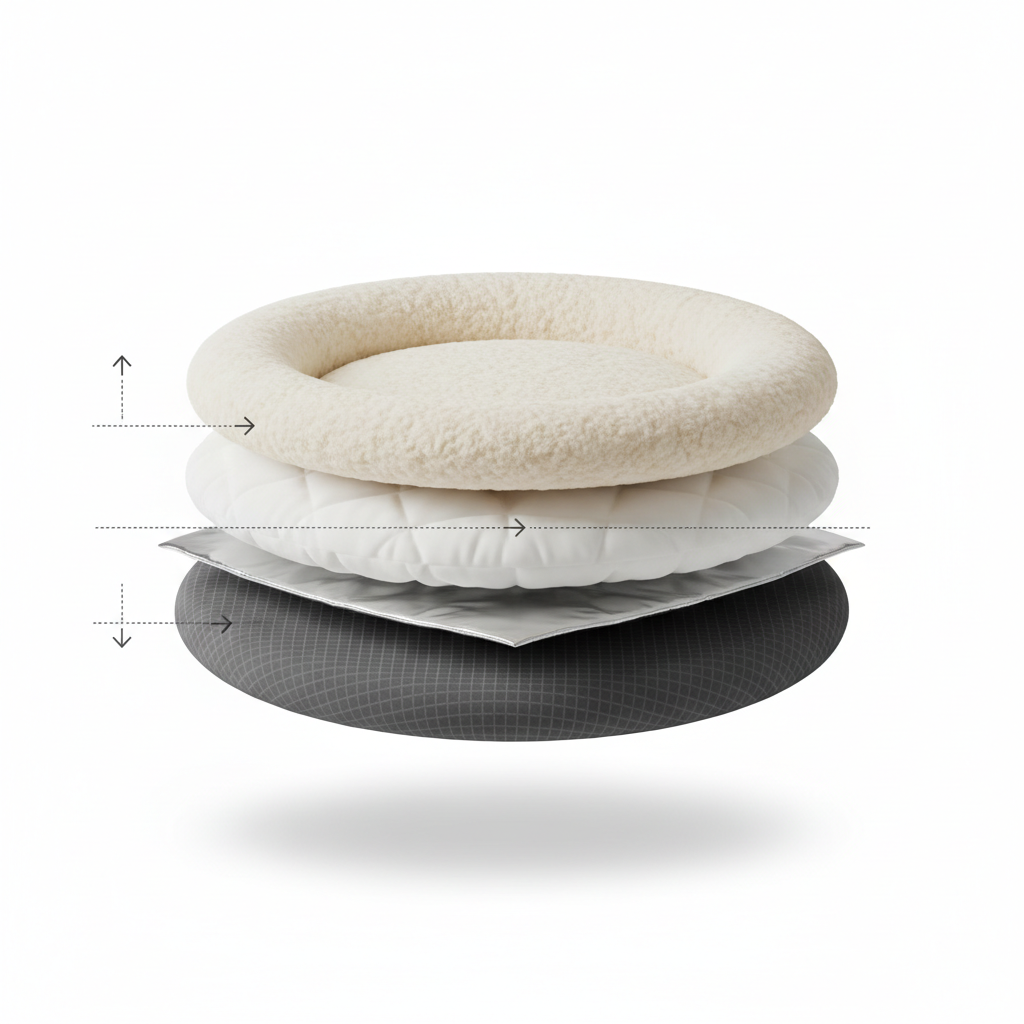
A self-warming bed is an insulated bed that reflects a cat’s own body heat back toward them. Many use a thin heat-reflective layer inside, often described as “mylar” or “thermal reflective film,” plus padding and a cover.
It’s not the same thing as an electric heated bed. You won’t get that “pre-warmed” feeling right away, and in a truly cold room it may feel only mildly warmer than a standard bed. The tradeoff is simplicity and lower risk from cords, hot spots, or electrical failure.
One more nuance, the “self-warming” effect works best when the cat is actually using it correctly, curled or settled on the sleeping surface long enough for warmth to build.
Why cats love warm spots, real-life reasons you’re seeing
Most people notice the behavior first, then go shopping. A few common patterns show up again and again.
- Drafty floors: apartments with tile, older homes, basements, and rooms over garages can feel cold even when the thermostat looks fine.
- Age and body condition: seniors and slimmer cats often seek warmth more aggressively.
- Post-grooming chill: after baths or heavy grooming, some cats look for a warmer nest.
- “Warmth equals safety”: tight, warm spaces mimic a den, which can help nervous cats settle.
According to the American Veterinary Medical Association (AVMA), pet owners should watch for subtle comfort changes as animals age, including how they rest and where they prefer to sleep. Warmth-seeking can be normal, but a sudden shift can also be a clue you should pay attention.
How a cat self warming bed no electricity works
Here’s the practical explanation, your cat supplies the heat, the bed reduces heat loss. That happens through three mechanisms, and good products usually support more than one.
- Heat reflection: a reflective inner layer redirects infrared heat back to the cat.
- Insulation: lofted fill slows heat escaping into air and flooring.
- Draft blocking: raised bolsters or cave-style hoods cut airflow around the body.
If you’re comparing labels, “no electricity” matters mostly for safety and convenience, but performance depends more on thickness, materials, and how well the bed fits your cat’s sleeping style.
Quick self-check: is a non-electric warming bed enough for your cat?
This is where people save money, or waste it. If most answers land on the left, self-warming usually fits. If you’re mostly on the right, you may need more than a reflective bed.
| Situation | Self-warming bed is often enough | You may need another approach |
|---|---|---|
| Room temperature | Mildly cool, typical heated home | Very cold room, unheated basement, strong drafts |
| Cat’s preference | Likes fleece blankets, curls in tight spots | Sprawls flat, avoids padded beds |
| Health context | Generally healthy, just seeks cozy places | New stiffness, hiding, appetite change, pain signs |
| Home setup | No good safe outlet location, chews cords | Needs steady warmth in a controlled way |
When you’re unsure, a self-warming bed is a low-commitment first step. If your cat still looks uncomfortable, that’s when it’s worth asking a veterinarian whether warmth, pain management, or environmental changes should be part of the plan.
What to look for when buying: features that actually matter
Shopping for “warm” pet beds can feel like reading the same claim 50 times. A few details separate the solid picks from the flimsy ones.
Size and shape, match how your cat sleeps
- Curlers: round/oval beds with bolsters hold warmth better.
- Sprawlers: flat mats or larger rectangles prevent “half-on, half-off.”
- Hiders: cave or hooded beds can be a big win for anxious cats, but only if the opening isn’t too tight.
Cover fabric and cleanability
- Look for a removable, machine-washable cover, or at least a bed that can be washed without clumping into a pancake.
- Plush looks cozy, but it can trap hair, if you hate lint-rolling, consider microfleece or smoother fabrics.
Bottom grip and moisture resistance
- Non-slip base helps on hardwood and tile, especially for older cats stepping in and out.
- If accidents are possible, a water-resistant inner liner can matter more than you think.
Material and noise
Some reflective liners make a crinkly sound. A few cats ignore it, others get suspicious and never commit. If your cat is noise-sensitive, prioritize beds described as “quiet” or with a padded liner that muffles the reflective layer.
How to get your cat to use it (without making it a battle)
Placement does more than any marketing claim. Put the bed where your cat already rests, and let it earn trust.
- Start with the “favorite spot” rule: place it on the couch corner, windowsill platform, or the end of the bed where they already nap.
- Add familiar scent: a worn t-shirt or small blanket can help, avoid strong detergents at first.
- Don’t over-correct: if your cat sits beside it for a day or two, that’s not failure, it’s inspection.
- Use low-pressure rewards: treats near the bed, not on top of it, then gradually closer.
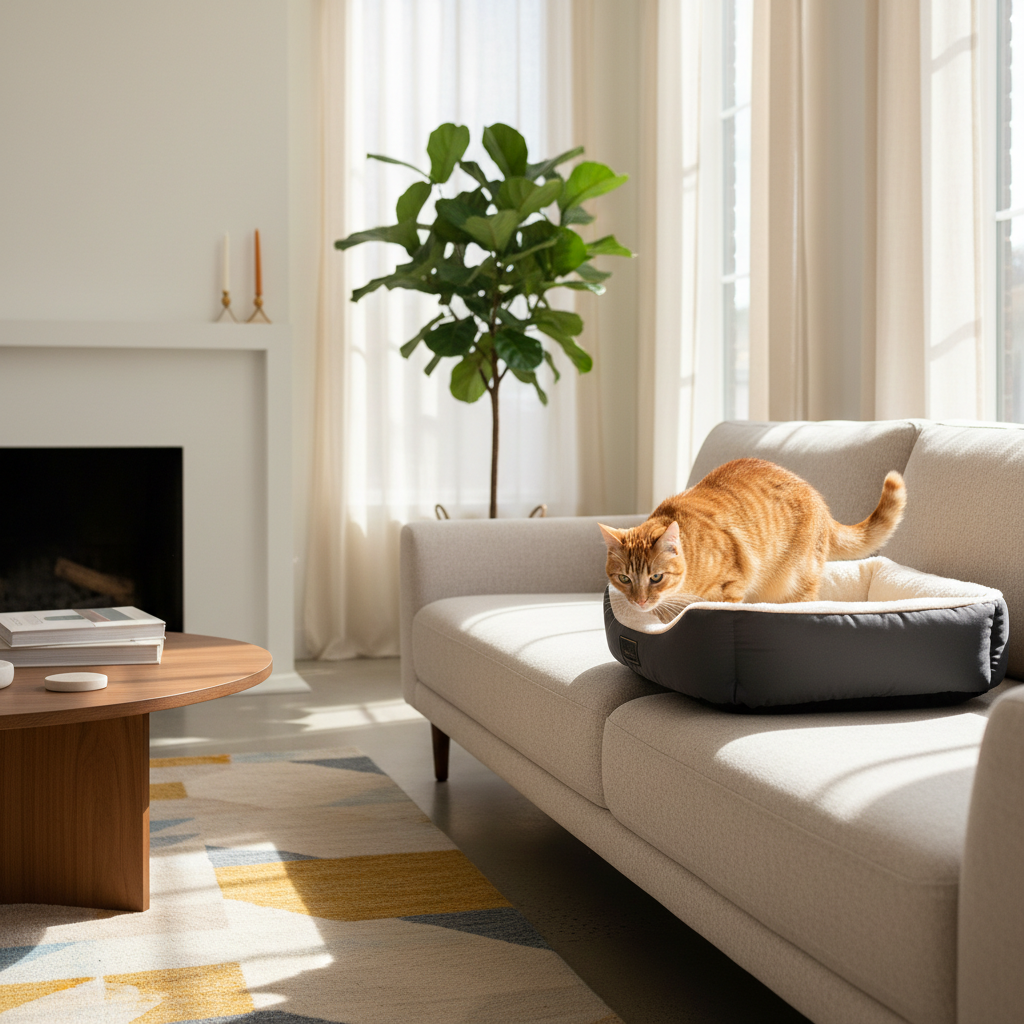
If the house is cold, put the bed slightly off the floor, a chair seat, a low shelf, or a cat tree platform often feels warmer than tile.
Safety notes and common mistakes
A non-electric warming bed removes a lot of risk, but “safe” still depends on how you use it.
- Avoid heavy blankets on top if your cat tends to burrow and overheat easily, many cats regulate heat well, but you know your cat’s habits.
- Watch for chewing on zippers, loose piping, or exposed inner layers, especially with kittens.
- Don’t trap moisture: if the bed gets damp, dry it fully, a humid, enclosed bed can smell fast and become a no-go zone.
- Skip harsh cleaners: strong fragrance can make the bed “clean” to you and “unusable” to your cat.
Also, if your cat is seeking heat constantly or seems unusually lethargic, warmth alone may not be the real issue. According to the American Animal Hospital Association (AAHA), changes in behavior and routine can be early signs that merit a veterinary conversation, especially for senior cats.
Key takeaways (so you can decide today)
- Cat self warming bed no electricity works by reflecting and retaining body heat, it’s subtle but meaningful for many indoor cats.
- Pick a shape that matches your cat’s sleep style, then place it where they already nap.
- Quiet materials, washable covers, and non-slip bottoms tend to matter more than buzzwords.
- If warmth-seeking comes with pain signs, appetite change, or hiding, consider asking a vet rather than buying a third bed.
For most homes, a self-warming bed is a practical upgrade: low fuss, no outlet needed, and easy to rotate between rooms. If you want one action step, measure your cat’s “curled-up” size and buy slightly bigger, then place it in the spot they already love for a week before judging it.
FAQ
Do self-warming cat beds really work without electricity?
They can, but the warmth is gradual. In a typical heated home, the reflective layer and insulation often make naps noticeably cozier, especially for cats who curl up rather than sprawl.
Is a self-warming bed safe for kittens or senior cats?
In many cases, yes, because there’s no heating element. Still, check for chewable parts and pick a stable, non-slip base, and if a senior cat has new stiffness or pain signs, it’s smart to consult a veterinarian.
What’s the difference between self-warming and heated cat beds?
Self-warming uses the cat’s own body heat and insulation. Heated beds add an external heat source, which can be helpful in colder settings but introduces cord placement and temperature control considerations.
Why won’t my cat use the warming bed I bought?
Usually it’s placement, smell, or texture. Put it in an existing favorite spot, add a familiar cloth, and give it a few days. If the liner crinkles and your cat startles easily, switching to a quieter model often helps.
Can I put a self-warming bed inside a cat cave or carrier?
Often yes, and it can boost the den-like effect. Just make sure airflow stays reasonable and the bed doesn’t bunch up in a way that makes footing unstable.
How do I wash a self-warming bed?
Follow the tag first, since some reflective liners don’t love high heat. If it’s machine-washable, use mild detergent, skip strong fragrance boosters, and dry thoroughly so it doesn’t hold odor or moisture.
Is my cat cold, or just being picky?
A cat chasing warm spots can be normal. If you also notice weight loss, hiding, reduced grooming, limping, or a big change in appetite, it’s worth a professional opinion because comfort-seeking sometimes overlaps with illness or pain.
If you’re trying to keep a cat warm without cords, a self-warming bed is a nice “set it and forget it” option, and it pairs well with simple setup tweaks like moving the nap spot off cold flooring or blocking drafts near windows.