
Best cat toys for boredom aren’t about buying the most stuff, they’re about matching how your cat likes to hunt, chase, and “work” for rewards so the day feels less empty.
If your cat yowls at night, ambushes ankles, over-grooms, or turns your couch into a scratch post, boredom is often part of the mix. Not always, but often enough that toys and a better play setup can change the whole household mood.
Also, “bored” doesn’t look the same in every cat. Some cats need cardio, some need puzzle time, and some just want a predictable routine with two good play sessions and then peace. This guide helps you pick what actually fits, plus a small plan you can keep up with.
Key takeaways: aim for 10–15 minute play bursts, rotate toys weekly, and use food puzzles when your cat seems restless between naps.
Why cats get bored indoors (and what it turns into)
Cats are built for short, intense hunting cycles, watch, stalk, chase, grab, then eat and rest. Indoor life can break that loop, especially in small apartments or single-pet homes.
- Too little “hunt time”: a bowl that’s always full can reduce daily problem-solving, even if calories are fine.
- Predictable environment: same rooms, same smells, same view, day after day.
- Under-stimulating play: a toy left on the floor becomes background clutter fast.
- Mismatched energy: young cats, high-drive breeds, or cats with limited window time often need more structured activity.
According to the American Association of Feline Practitioners (AAFP), environmental enrichment and play are important parts of feline wellness, especially for indoor cats.
Quick self-check: what “boredom” looks like in your cat
Before shopping, get specific. This small checklist usually points to the toy category that helps most.
Behavior cues
- Night zoomies + yowling: often needs scheduled interactive play and a predictable “hunt then meal” routine.
- Ankle attacks or surprise pounces: needs chase-and-catch outlets (wand play, kicker toys, short sprints).
- Excessive scratching: may need both scratching options and more daily engagement.
- Food obsession: often responds well to puzzle feeders and treat-dispensing toys.
- Withdrawn or “meh”: may prefer lower-intensity toys, novelty rotation, and safe perches.
Household setup cues
- Solo cat, people working long hours
- No window perch or blocked view
- Limited vertical space
- Toys left out all the time, no rotation
If you’re seeing sudden behavior changes, appetite shifts, or over-grooming that seems intense, it’s smart to check in with a veterinarian. Some issues that look like boredom can overlap with stress or medical problems.
The best cat toys for boredom in 2026: what actually works
Here’s the practical truth: the best cat toys for boredom usually fall into a few repeatable “jobs.” You’re not just buying a product, you’re buying a type of stimulation.
Interactive wand toys (best for “hunt” drive)
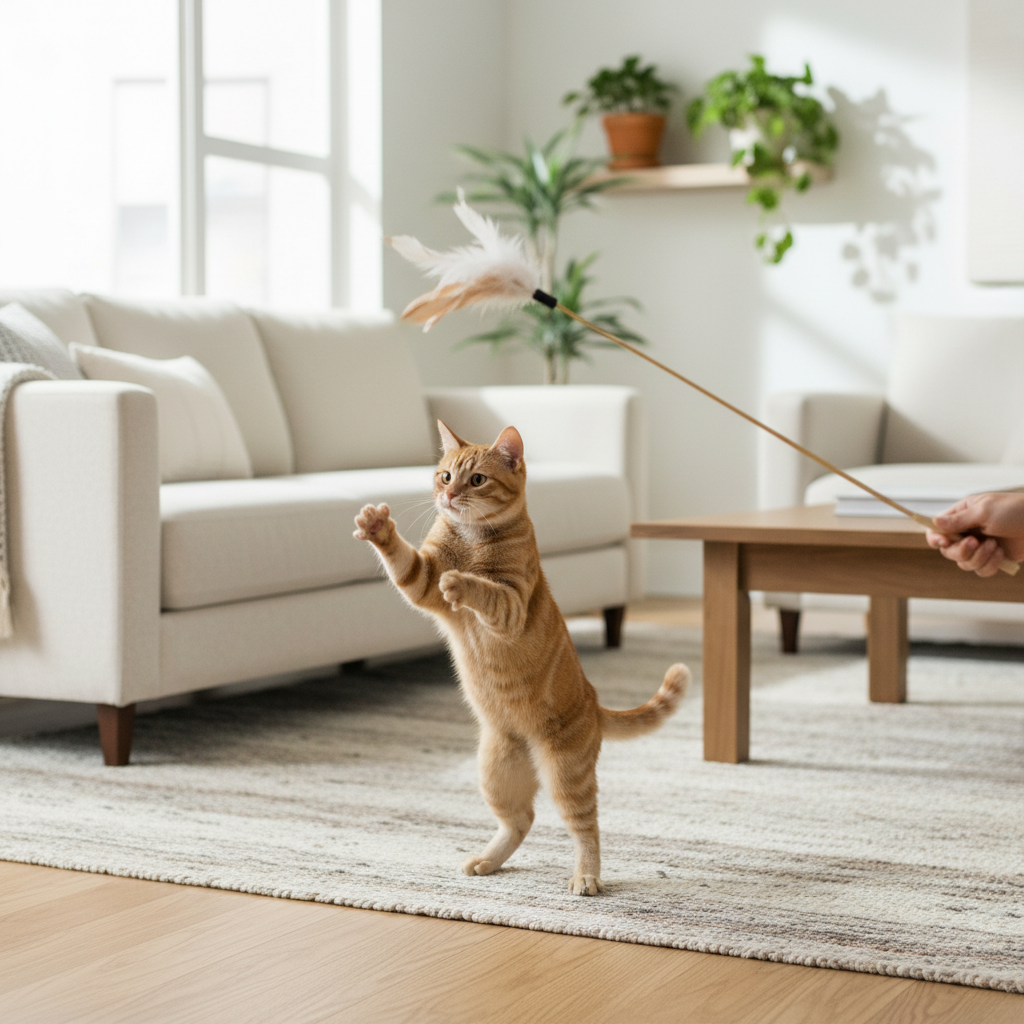
If you only buy one category, many households start here. Wand toys let you mimic prey: hide, dart, pause, then “escape.” The human controls the story, which is why it stays interesting.
- Look for durable cords, replaceable lures, and a comfortable handle.
- Use short bursts and let your cat “win” regularly to avoid frustration.
Motion and automatic toys (best for solo downtime)
These can help when you’re in meetings or your cat wakes up at 5 a.m., but they work best as a supplement, not the main course.
- Choose toys with auto-off timers and stable bases.
- Rotate usage so the novelty stays intact.
Food puzzles and treat dispensers (best for restless snack-seeking)
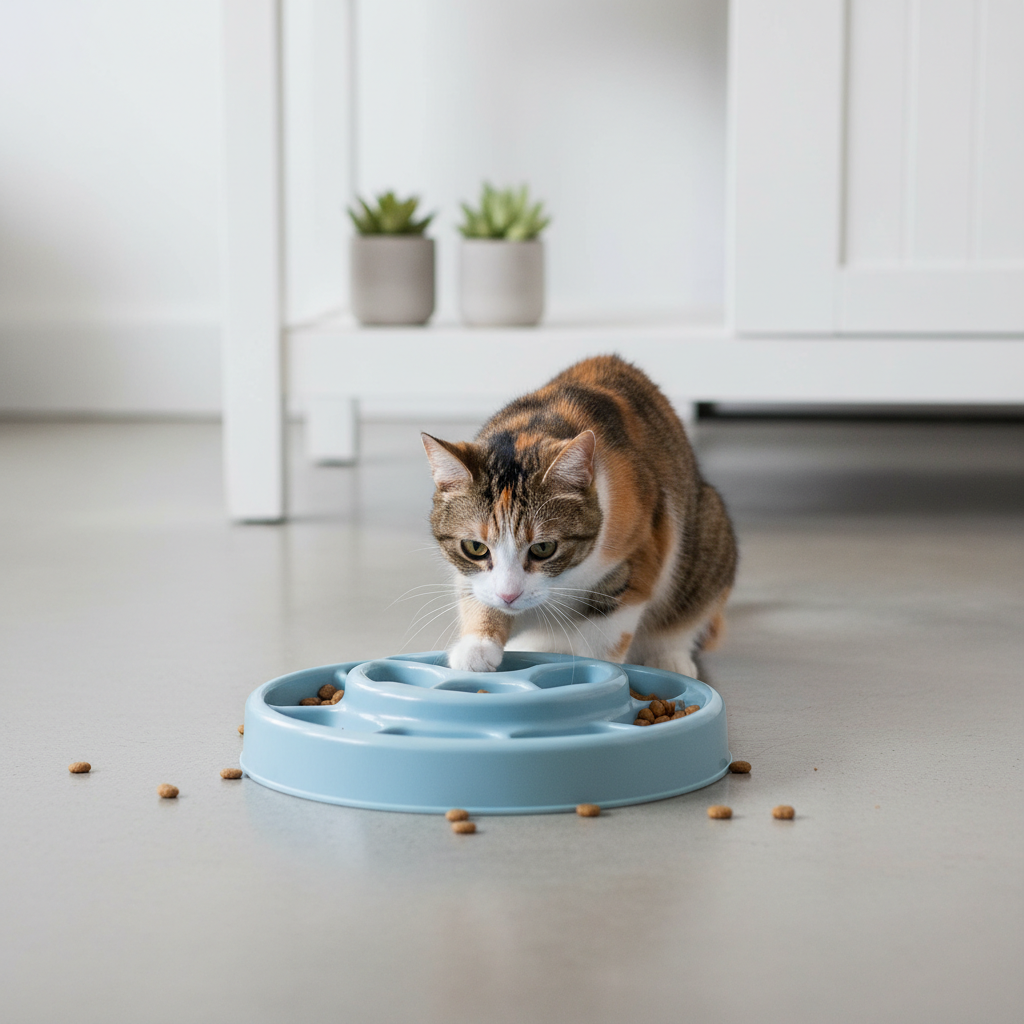
Food puzzles turn “I’m bored” into “I’m working.” Many cats settle after 10–20 minutes of foraging, because the brain gets tired in a good way.
- Start easy, then increase difficulty after your cat understands the concept.
- Measure treats so you don’t accidentally overfeed.
Kicker toys and “bunny-kick” options (best for grabbing and wrestling)
Some cats want to bite and kick. Give them something appropriate, especially if hands have become the target.
- Longer kickers protect your cat’s spine and give them room to grip.
- Catnip or silvervine can help, but not every cat responds.
Climbers, tunnels, and DIY obstacles (best for changing the map)
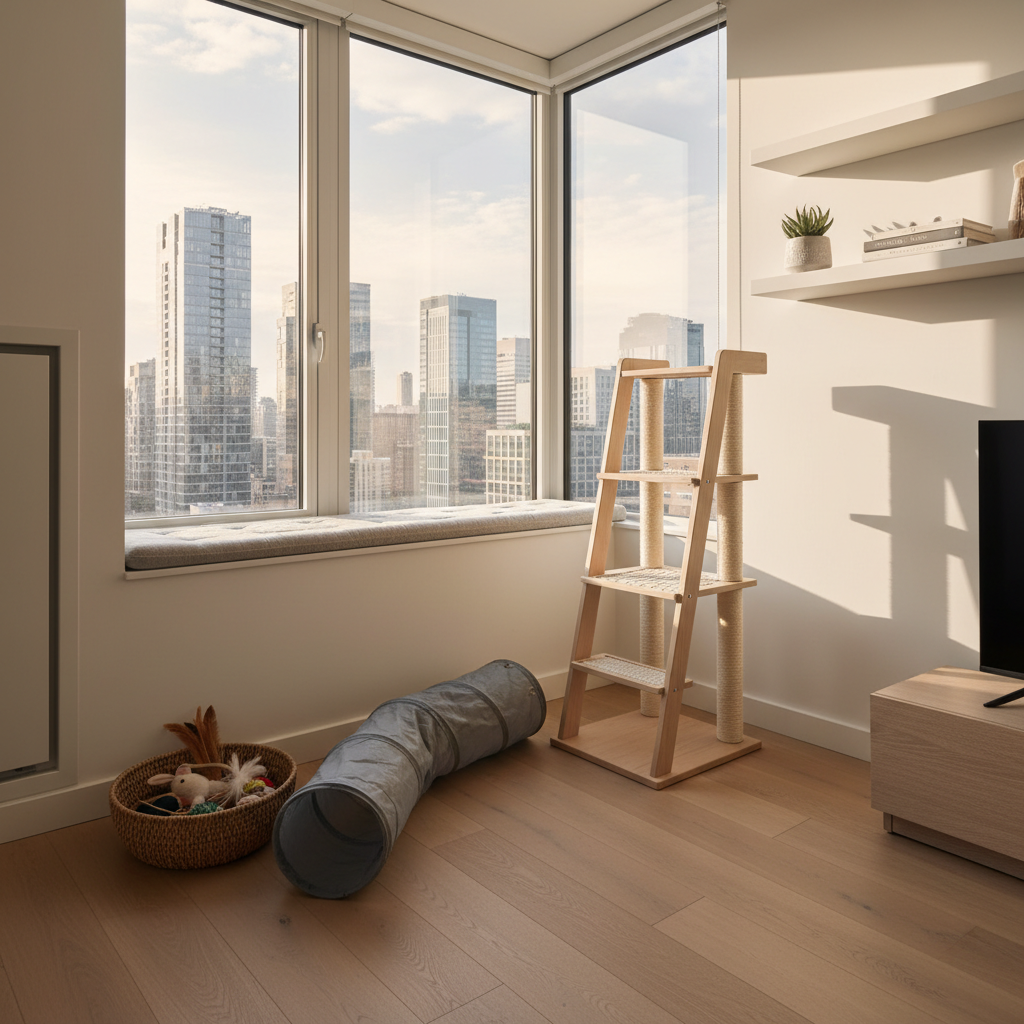
Not every “toy” is a toy. A tunnel moved to a new spot or a box with a few cutouts can reset the environment for a week.
- Prioritize stable cat trees and safe, non-slip surfaces.
- Think vertical: perches and shelves often reduce drama in multi-cat homes.
At-a-glance table: pick toys by boredom type
If you want a fast decision, match the behavior to the “job” the toy needs to do.
| What you notice | Likely need | Toy types to try | Small tip |
|---|---|---|---|
| Night zoomies | Energy release + routine | Wand toy, kicker, short sprint games | Play, then a small meal before bed |
| Constant meowing for attention | Mental work | Puzzle feeder, treat ball | Hide a few portions around the home |
| Ankle attacks | Chase and catch outlet | Wand toy, ping-pong ball track | Move the “prey” away from your body |
| Destructive scratching | Stress relief + engagement | Scratcher + interactive play | Place scratchers where damage happens |
| Seems bored but won’t play | Low-pressure enrichment | Window perch, slow teaser, sniff games | Try 2-minute micro sessions |
A simple play plan you can actually keep up with
Buying toys helps, but the routine is what makes boredom fade. This plan works for many indoor cats without turning your life into a pet management project.
The 3-part daily baseline
- Session 1 (morning or lunch): 8–12 minutes of wand play, end with a “catch.”
- Solo block (afternoon): puzzle feeder or treat dispenser, keep it modest.
- Session 2 (evening): 10–15 minutes, then dinner or a small snack.
Many cats respond best to consistency. If your schedule varies, anchor play to something you already do, coffee brewing, after work shoes come off, or right before you brush your teeth.
Toy rotation that doesn’t get fussy
- Keep 3–5 toys “active” and store the rest out of sight.
- Swap 1–2 items each week, not everything at once.
- Bring back an “old” toy after two weeks, it often feels new again.
Common mistakes (and quick fixes)
A lot of boredom shopping fails for boring reasons, the toy is fine but the setup misses the point.
- Leaving interactive toys on the floor: wand toys work because you animate them, store them and bring them out like an “event.”
- Too much laser, not enough catch: lasers can be fun, but many cats need a physical payoff, pair it with a toss toy or treat at the end.
- Overdoing catnip: some cats get overstimulated, use it occasionally and watch behavior.
- Ignoring safety: loose strings, small parts, or broken plastic can be risky, supervise when needed and retire damaged toys.
- Expecting one toy to solve everything: mix physical play with foraging and environmental change.
According to the ASPCA, choosing safe toys and supervising play when appropriate can reduce household hazards, especially with string-like items.
When it’s time to get professional help
If you try better play and enrichment for a couple of weeks and behavior stays intense, it may not be “just boredom.” A veterinarian can help rule out pain, skin issues, or other medical contributors, and a qualified cat behavior professional can help with stress patterns in multi-cat homes.
- Sudden aggression, hiding, or litter box avoidance
- Over-grooming, hair loss, or skin irritation
- Major appetite or sleep changes
- Repeated nighttime distress that doesn’t respond to routine
Conclusion: a better day beats a bigger toy bin
The best results usually come from pairing the best cat toys for boredom with a simple rhythm: two short interactive play sessions, one foraging moment, and a home setup that gives your cat a view, a perch, and a few “new” things each week.
If you want one action to start today, pick a wand toy session tonight and end it with a small meal. Then hide tomorrow’s treats in a puzzle or a few easy “find it” spots. Small changes, but cats often notice fast.
FAQ
What are the best cat toys for boredom for cats that play alone?
Food puzzles and treat dispensers tend to hold attention longer than most battery toys. Motion toys can help too, but many cats lose interest unless you rotate them and keep sessions short.
How long should I play with my cat each day to reduce boredom?
Many cats do well with 20–30 total minutes split into two sessions. Kittens and high-energy young adults often need more, while seniors may prefer several micro sessions.
Are automatic laser toys good for boredom?
They can provide novelty, but it’s smart to add a “catch” moment at the end, like tossing a soft toy or offering a small treat, so your cat doesn’t stay stuck in chase mode.
My cat seems bored but ignores toys, what should I try?
Try slower play with more pauses, smaller lures, and shorter sessions, some cats get overwhelmed. Window perches, sniff games, and very easy puzzles can be a softer entry point.
How do I rotate toys without buying a lot?
Put most toys in a closet and keep only a few out. Even moving a tunnel to a new location or changing the wand attachment can create enough novelty.
Can boredom cause aggression in cats?
It can contribute, especially play aggression in young cats. If aggression escalates or becomes unpredictable, it’s worth talking with a veterinarian or behavior professional to rule out pain or fear triggers.
What toys are unsafe for bored cats?
Loose strings, easily shredded materials, and small parts that can be swallowed are common concerns. Many households supervise string-like toys and discard anything that starts breaking down.
If you want the “easy mode” setup
If you’re trying to reduce chaos without turning your home into a toy store, focus on one good interactive wand, one puzzle feeder, and a simple rotation bin, then build around what your cat actually uses. That usually beats impulse-buying five gadgets that end up under the couch.