
bird perch cover soft comfortable is usually what people search after they notice one of two things: their bird keeps slipping, or their bird seems less willing to perch for long. A cover can make the surface gentler and grippier, but only if you pick the right material and keep it clean.
This topic matters because perches are not “just cage furniture.” The texture, diameter, and cleanliness of the perch surface influence foot comfort, nail wear, and how confident a bird feels moving around. When the surface is too hard, too smooth, or stays damp, problems can show up fast.
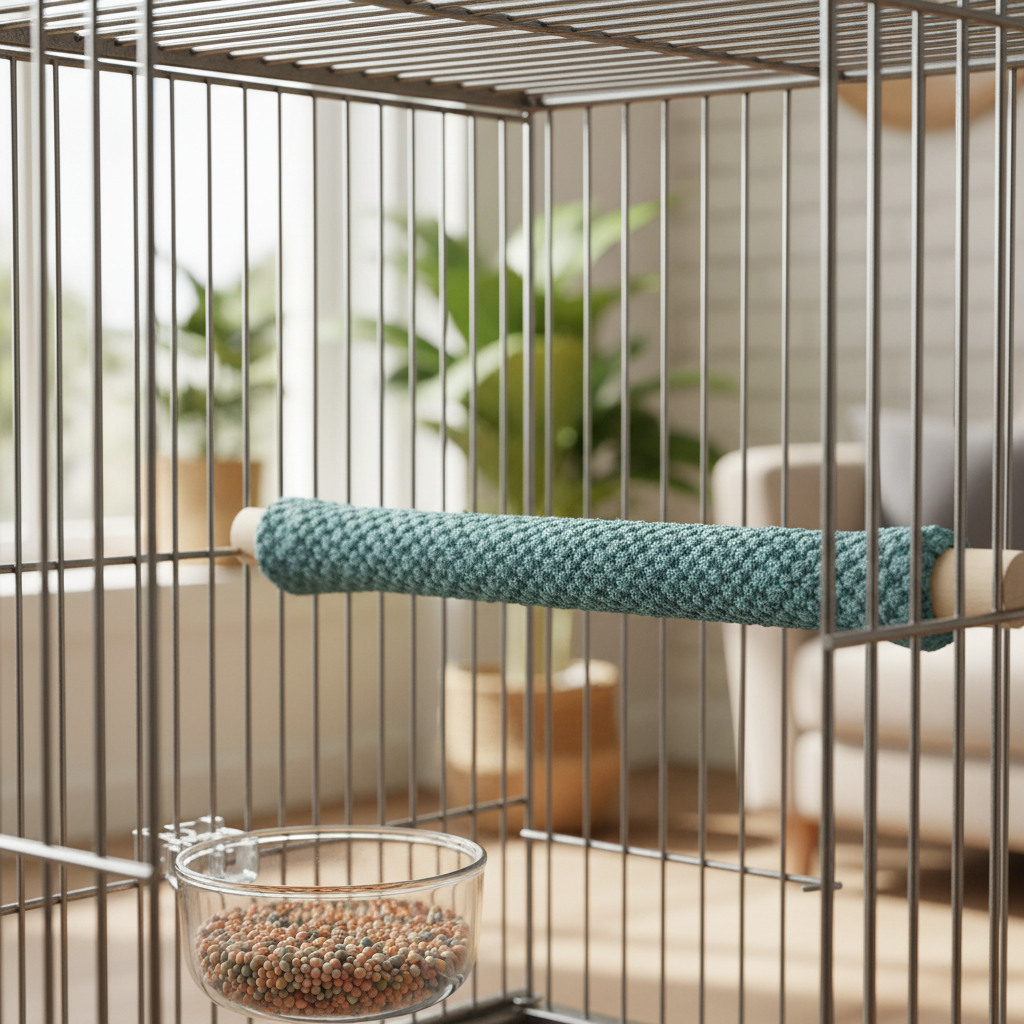
One common misunderstanding: a softer surface is always better. In real cages, “soft” can also mean “holds moisture and droppings,” which can create hygiene issues. The goal is comfort and a surface you can maintain without turning it into a germy sponge.
Below is a practical way to think about perch covers, how to tell if your bird actually needs one, and how to use them without accidentally causing new problems.
Why birds struggle with perches (and what a cover can fix)
A perch cover helps most when the base perch has good shape but a poor feel. The most common scenarios look like this.
- Slippery surfaces: plastic perches and some sealed woods can feel slick, especially if they get dusty or slightly oily from food and feather dander.
- Too-hard contact points: if a bird spends hours in one “favorite spot,” even a normal perch can feel harsh over time.
- Cold perches: in cooler rooms, metal stands or certain cage setups can feel chilly, and a cover adds a warmer touch.
- Minor pressure sensitivity: older birds, heavier birds, or birds with early foot irritation may perch more comfortably with a gentle, slightly cushioned surface.
What a cover does not reliably fix: incorrect perch diameter, a cage with only one perch style, or untreated medical issues. If you suspect injury, infection, or bumblefoot, it’s safer to involve an avian vet.
Quick self-check: does your bird need a softer, more comfortable grip?
You don’t need fancy tools here. A short checklist usually tells you whether a bird perch cover soft comfortable setup is worth trying.
- Your bird steps onto the perch and readjusts repeatedly, as if trying to “find traction.”
- You see frequent slips when your bird turns around or climbs down.
- Your bird avoids a specific perch and chooses cage bars instead.
- Feet look mildly pink after long perching, or you notice more resting on the cage floor.
- There is one favorite perch position where droppings collect and the surface stays dirty.
If none of these show up, you may not need a cover at all. Many birds do best with a variety of natural wood perches and good placement rather than extra padding.
Material choices that feel soft but stay safe
Most buyers focus on “soft,” but bird safety comes from three things: non-toxic material, low snag risk, and cleanability. According to the Association of Avian Veterinarians (AAV), husbandry and hygiene are central parts of preventing common health issues, so pick a cover you can realistically maintain.
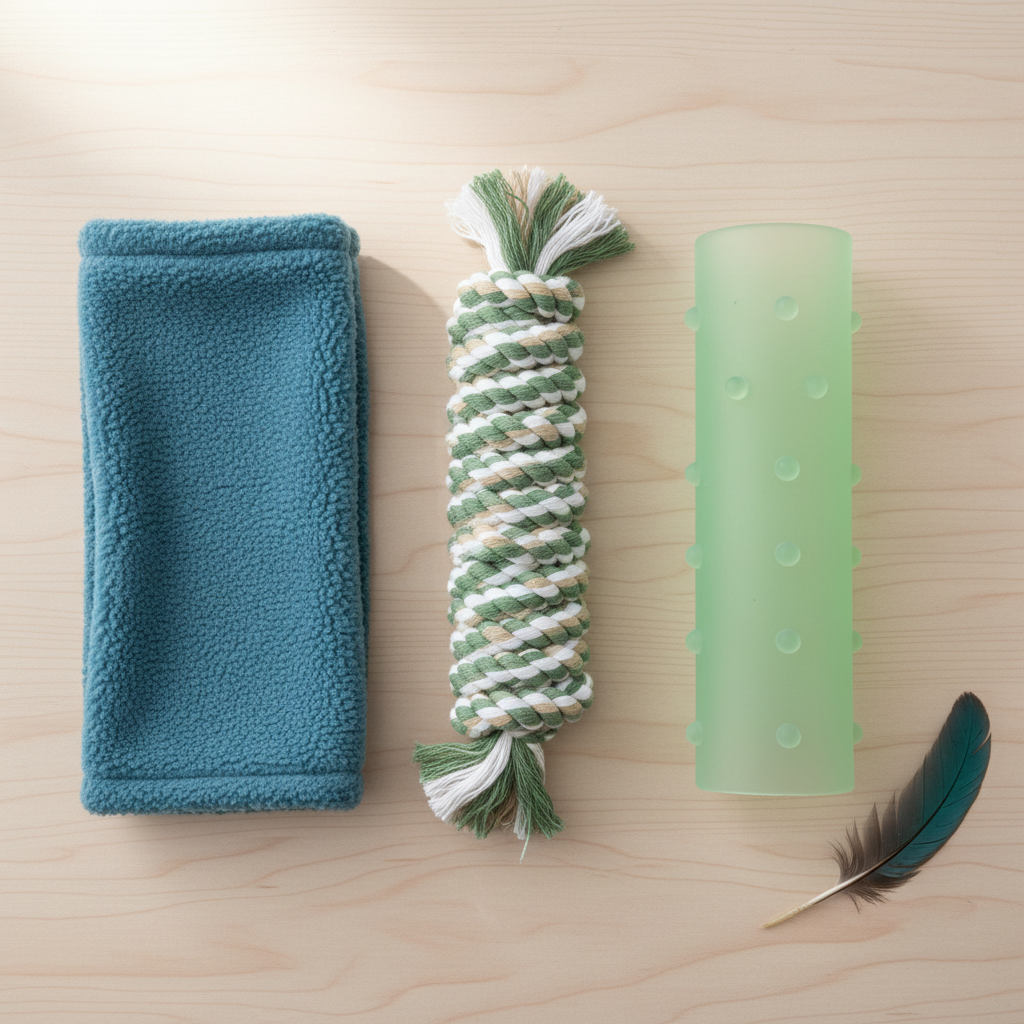
Here’s how common options tend to behave in real homes.
Fleece sleeves
- Pros: very soft, warm, easy to slip on and off, good for short-term comfort trials.
- Watch-outs: can trap moisture and droppings, threads can fray if chewed, needs frequent washing.
Rope wraps (cotton or similar)
- Pros: adds grip, easy to wrap to your preferred thickness, works on many perch shapes.
- Watch-outs: fraying strands are a real risk for entanglement or ingestion, cleaning is harder than it looks.
Silicone or rubber-like covers (bird-safe, non-porous)
- Pros: grippy, easier to wipe clean, less absorbent than fabric, often a good balance of comfort and hygiene.
- Watch-outs: quality varies, if your bird is a strong chewer you must monitor for chunks torn off.
Vet wrap/self-adhesive bandage (short-term use)
- Pros: quick friction boost, easy to replace, useful during temporary foot sensitivity.
- Watch-outs: can loosen, can get soiled fast, not a “set it and forget it” option.
Table: choose the right perch cover for your situation
This is a practical decision table, not a perfect rulebook. Your bird’s chewing habit and your cleaning routine matter as much as softness.
| Situation | What usually works | What to avoid |
|---|---|---|
| Perch feels slick, bird slips on turns | Silicone cover or light vet wrap | Thick fleece that stays damp |
| Bird prefers one spot, feet look mildly irritated | Soft removable sleeve plus more perch variety | One padded perch everywhere in the cage |
| Heavy chewer, shreds fabric | Non-porous cover with close monitoring, or switch perch type | Rope/fleece that frays quickly |
| You need easy cleaning (busy schedule) | Wipeable silicone, removable sleeves you can rotate | Rope wrap that absorbs droppings |
| Older bird, balance a bit weaker | Moderate grip + stable perch placement, add platform perch | Overly squishy surfaces that reduce stability |
How to install and use a perch cover without creating new problems
A bird perch cover soft comfortable setup works best when you treat it as part of a perch system, not a single “fix everything” accessory.
Step-by-step (simple, but easy to mess up)
- Pick the right diameter first: a cover increases thickness, so make sure the final size still lets toes wrap comfortably.
- Cover only one or two perches: keep other perches natural and varied so feet get different pressure points.
- Secure the ends: if the cover slides, birds can lose confidence. Use the product’s intended fastening method and check daily at first.
- Place it strategically: use the cover on a favorite sleeping perch or a “traffic” perch where slips happen, not everywhere.
- Do a chew test: watch for 10–15 minutes across a few sessions. If your bird starts tearing fibers or taking chunks, switch materials.
Cleaning rhythm that most people can actually keep
- Daily: quick visual check, wipe or spot-clean obvious droppings.
- Weekly: remove and wash fabric covers hot-water safe per label, fully dry before reinstalling; wipe non-porous covers with bird-safe cleaner and rinse.
- Replace on condition: if it frays, holds odor after cleaning, or stays damp, retire it.
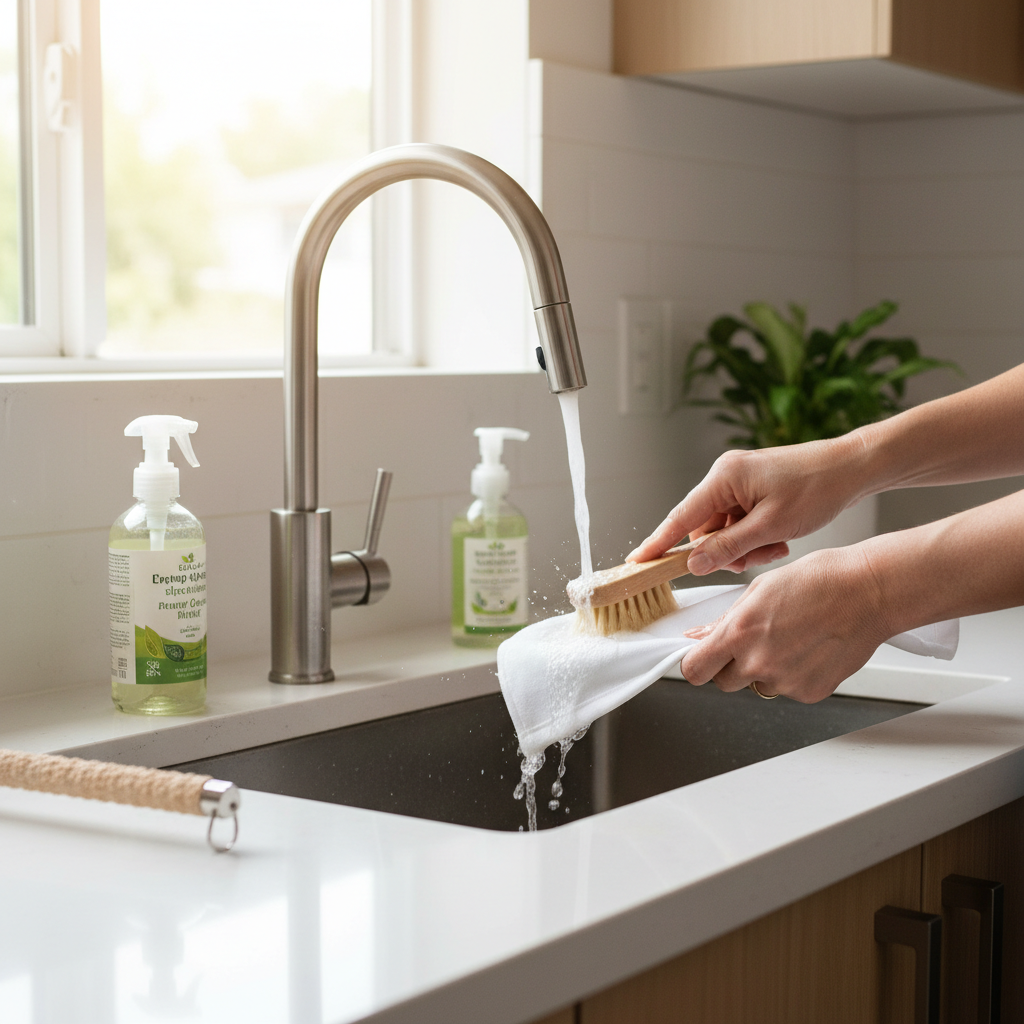
If you already know you won’t wash it regularly, a wipeable cover usually causes fewer issues than fabric. It’s not glamorous, it’s just real life.
Common mistakes (and what to do instead)
- Mistake: using one padded perch as the only perch. Better: keep at least 2–3 textures and diameters so feet move and flex differently.
- Mistake: assuming softer always equals healthier. Better: aim for stable grip and clean surface, mild cushioning is enough for many birds.
- Mistake: ignoring fraying. Better: remove at the first sign of strings, especially with rope and fleece.
- Mistake: covering a dirty perch. Better: clean the base perch first so you don’t trap grime underneath.
- Mistake: masking a medical issue. Better: if you see swelling, sores, limping, or persistent favoring of one foot, treat it as a health concern.
When to get professional help
If your bird has any open sores, scabs on the feet, heat or swelling, or starts avoiding perching altogether, don’t rely on a cover. Those signs can match bumblefoot or injury, and treatment often depends on the cause. According to the American Veterinary Medical Association (AVMA), pets benefit from veterinary guidance when health symptoms appear or persist, and birds can decline quickly when they hide discomfort.
If you’re unsure, a quick call to an avian veterinarian to describe symptoms and cage setup is usually a sensible next step, even if the solution ends up being husbandry changes.
Key takeaways you can act on today
- Choose grip + hygiene over “extra soft”, especially for birds that poop heavily on favorite perches.
- Use covers on specific perches, not the whole cage, so feet still get healthy variety.
- Monitor chewing and fraying early, then set a cleaning routine you can keep.
- If symptoms look medical, involve an avian vet rather than experimenting longer.
Conclusion: comfort is real, but maintenance is the deal-breaker
A bird perch cover soft comfortable setup can make a noticeable difference when the problem is traction, cold perches, or mild sensitivity, but the win comes from smart placement and consistent cleaning. Pick a material your bird won’t shred, keep other perches varied, and treat the cover as a replaceable item, not a permanent fixture.
If you want one next step: choose one perch your bird uses most, add a wipeable or easily washable cover, then reassess after a week based on grip, cleanliness, and your bird’s behavior.
FAQ
Do soft perch covers help prevent bumblefoot?
They can reduce pressure in some situations, but they’re not a guaranteed prevention tool. Bumblefoot risk often relates to perch variety, hygiene, weight, and underlying health, so a cover is only one part of the picture.
What’s the safest material for a bird perch cover?
Many households do well with non-porous, wipeable covers because they stay cleaner, but safety still depends on quality and your bird’s chewing. If your bird tears pieces off, switch materials quickly.
How often should I wash a fleece perch cover?
In many cages, weekly washing is the minimum, with spot-cleaning in between. If the cover stays damp, smells, or stains quickly, you may need more frequent washes or a different material.
My bird chews rope wraps, should I remove them?
Usually yes, especially if you see fraying or loose strands. Chewing behavior varies, but strings can create avoidable risks, so it’s better to swap to a chew-resistant, non-fraying option.
Will a perch cover make the perch too thick?
It can. A cover adds diameter, and if toes can’t wrap comfortably, grip and balance may get worse. When in doubt, use a thinner cover or size down the base perch.
Is it okay to use vet wrap on perches long-term?
It’s more of a short-term solution for extra traction or temporary comfort. It can loosen and soil fast, so if you like the feel, consider a purpose-made, washable cover instead.
Should I cover all the perches so they feel the same?
Most birds benefit from variety. Keeping at least one natural wood perch and mixing textures typically supports better foot use than making every perch identical.
If you’re trying to make your bird’s setup more comfortable without turning cleaning into a daily battle, it may help to start with one easy-to-sanitize perch cover, monitor chewing and grip for a few days, then expand only if it genuinely improves perching behavior.