
lizard food crickets live is usually the make-or-break detail when a reptile eats poorly, gets stressed, or you keep finding dead crickets in the bin.
If you have ever opened a cricket box and smelled ammonia, or watched your lizard ignore feeders that looked “fine,” you already know the frustration, it feels wasteful and it also raises the bigger question: are the crickets safe and nutritious today, or just alive.
This guide focuses on keeping live crickets healthy long enough to be worth buying, then turning them into better food through basic gut-loading, hydration, and hygiene. No magic tricks, just the stuff that tends to work in real homes, whether you keep one leopard gecko or a whole rack of enclosures.
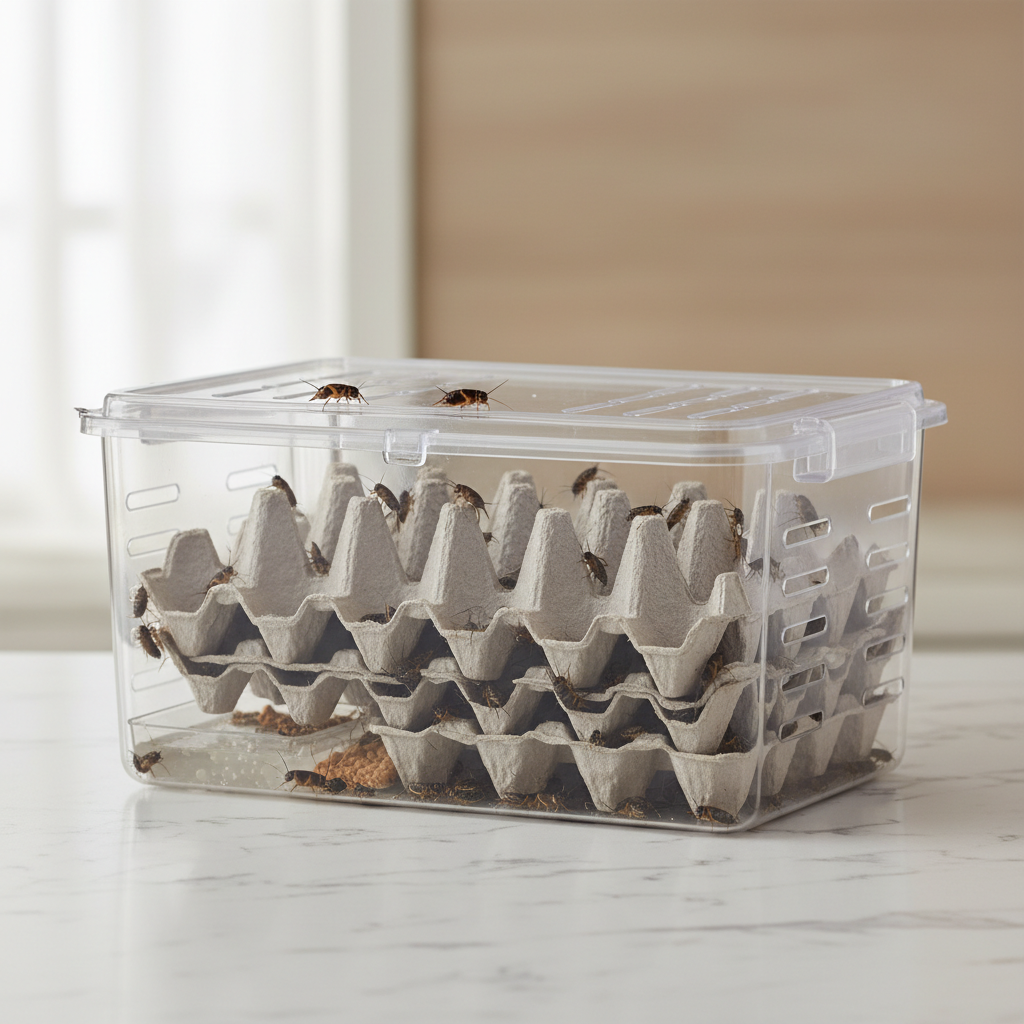
Why live crickets die fast (and why it matters for your lizard)
Most cricket problems come down to three pressure points: heat, moisture, and waste. When any two get out of balance, things spiral quickly.
- Poor ventilation: closed lids trap humidity and ammonia, then crickets crash overnight.
- Overcrowding: too many in a small space increases stress, cannibalism, and die-offs.
- Wet food or water accidents: standing moisture breeds bacteria and mold, crickets are fragile here.
- Temperature swings: too cold slows them down and increases losses, too hot dehydrates them fast.
- Weak supply chain: shipping delays and heat/cold exposure means you start with compromised feeders.
For your reptile, this is not only about “having feeders available.” Low-quality crickets can be under-hydrated and under-fed, which often means less nutrition per bite, and more risk of gut issues if you feed questionable, dying insects.
According to AVMA (American Veterinary Medical Association), good husbandry reduces health risks in companion animals, and that includes sanitation and proper food handling in reptile setups. It’s not a cricket-only point, but it applies directly to how feeder insects are stored and offered.
A quick self-check: are your crickets “healthy enough” to feed?
Before you worry about supplements and fancy diets, check the basics. This list helps you decide whether today’s batch is feedable or you should reset the bin.
Signs your live crickets are in good shape
- They move quickly when the container is opened, not sluggish or “drunk.”
- Minimal odor, a faint “earthy” smell is typical, sharp ammonia is not.
- Most crickets look intact, not missing legs from heavy cannibalism.
- Few dead bodies, and you can remove them easily.
Red flags that usually mean “pause and fix”
- Ammonia smell that hits you immediately.
- Condensation on walls or soaked substrate/cardboard.
- Dead crickets piling up in corners.
- Visible mold on food or egg flats.
If you see red flags, many keepers do a quick triage: pull all dead crickets, replace egg flats, swap to dry food, and improve ventilation before feeding any out.
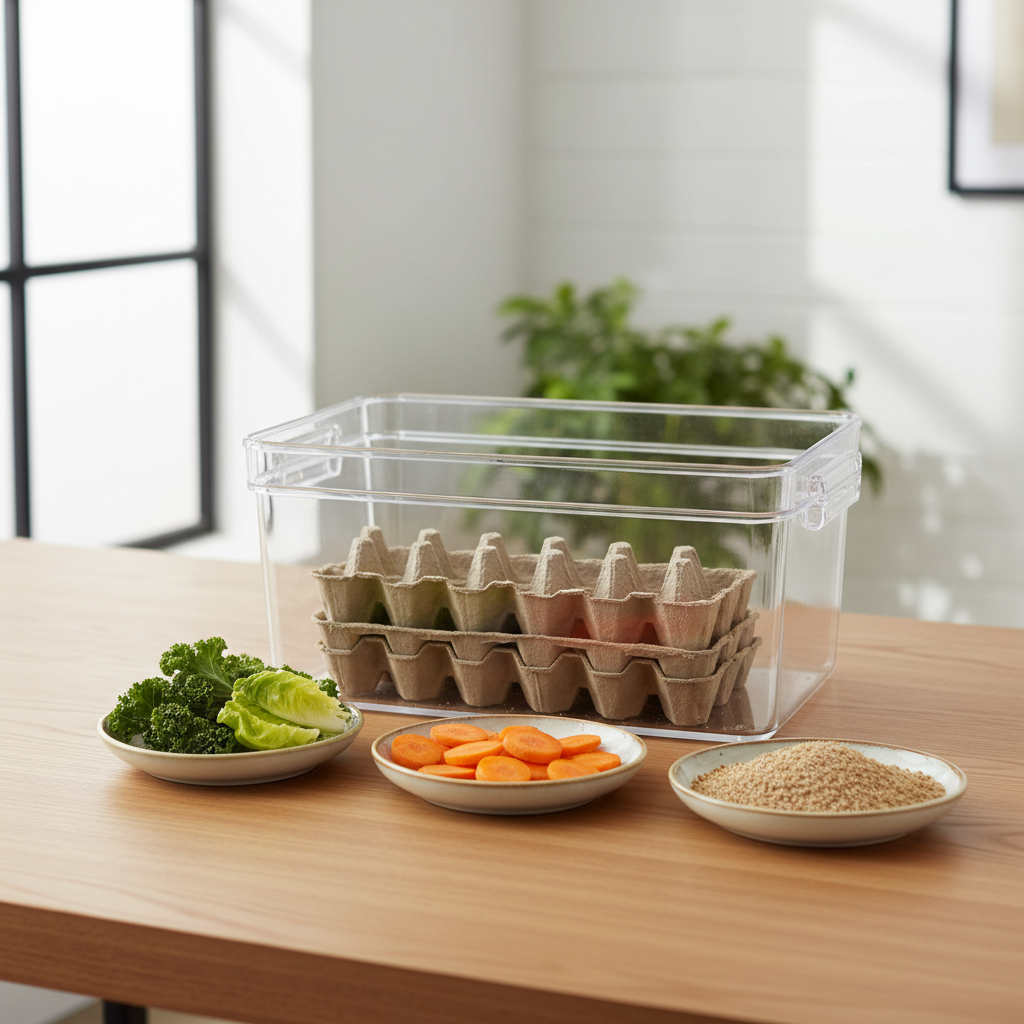
Housing that keeps crickets alive longer (simple, not fancy)
You do not need a complex insect rack to keep lizard food crickets live and usable, but you do need a container that breathes and stays dry.
Container and airflow
- Use a tote or keeper with large ventilation area (screened vents beat tiny punched holes).
- Avoid airtight storage tubs unless you heavily modify the lid for airflow.
- Keep the bin out of direct sun, car trunks, and laundry rooms where heat spikes happen.
Interior setup
- Egg flats (stacked loosely) increase surface area and reduce fighting.
- Skip loose substrate for most home setups, bare-bottom is easier to clean and usually stays drier.
- Add a shallow dish for dry feed so it does not mix with waste.
Temperature targets (general guidance)
Many common feeder crickets do best in warm room temps, often somewhere around the mid-70s to mid-80s °F. The “perfect” number varies by species and your room humidity, and overheating is a faster killer than being a little cool, so be conservative if you are unsure.
Feeding and hydration: gut-load without creating a smelly mess
Crickets can be alive yet nutritionally empty, especially right after shipping. Gut-loading is simply feeding the feeder so your lizard gets more value per insect.
A practical gut-load routine (24–48 hours)
- Dry base: a quality cricket diet or plain grains (many keepers use a commercial cricket chow because it stays stable).
- Fresh add-ons: small amounts of dark leafy greens and orange vegetables (collards, mustard greens, squash, carrot) are commonly used.
- Remove leftovers daily: anything that softens or sweats becomes a humidity problem fast.
Water: safer options than an open dish
Open water bowls often drown crickets and spike humidity. Many keepers use moisture sources designed for feeders (water crystals, hydration gel, or moisture-rich produce in controlled amounts). If you go the produce route, keep portions small and replace frequently.
According to FDA guidance on food hygiene, keeping food areas clean and preventing contamination matters even in small-scale home handling. You are not running a kitchen, but the same principle applies: wet, dirty, warm environments are where problems start.
Cleaning and odor control: the “boring” step that saves most batches
If your bin smells, it is usually waste buildup plus poor airflow. Deodorizing sprays are not the answer near feeder insects, and definitely not near reptiles.
A realistic cleaning cadence
- Daily: remove dead crickets and soggy food, check hydration source.
- Every 3–7 days: dump frass (cricket waste), wipe down slick surfaces, replace egg flats if they are damp or dirty.
- Between batches: wash the bin with hot water and mild soap, rinse well, dry completely before reloading.
Quick odor fixes that usually work
- Increase ventilation area, not just “add more holes.”
- Reduce fresh food volume, switch to smaller portions more often.
- Lower density by splitting one big batch into two bins.
How to feed live crickets safely in different lizard setups
“Just toss them in” works sometimes, but it also creates the classic problems: hidden crickets chewing on plants, stressing reptiles at night, or disappearing into the enclosure.
For most pet lizards (controlled feeding)
- Offer a few at a time, observe interest and swallowing.
- Remove uneaten crickets after feeding, especially overnight.
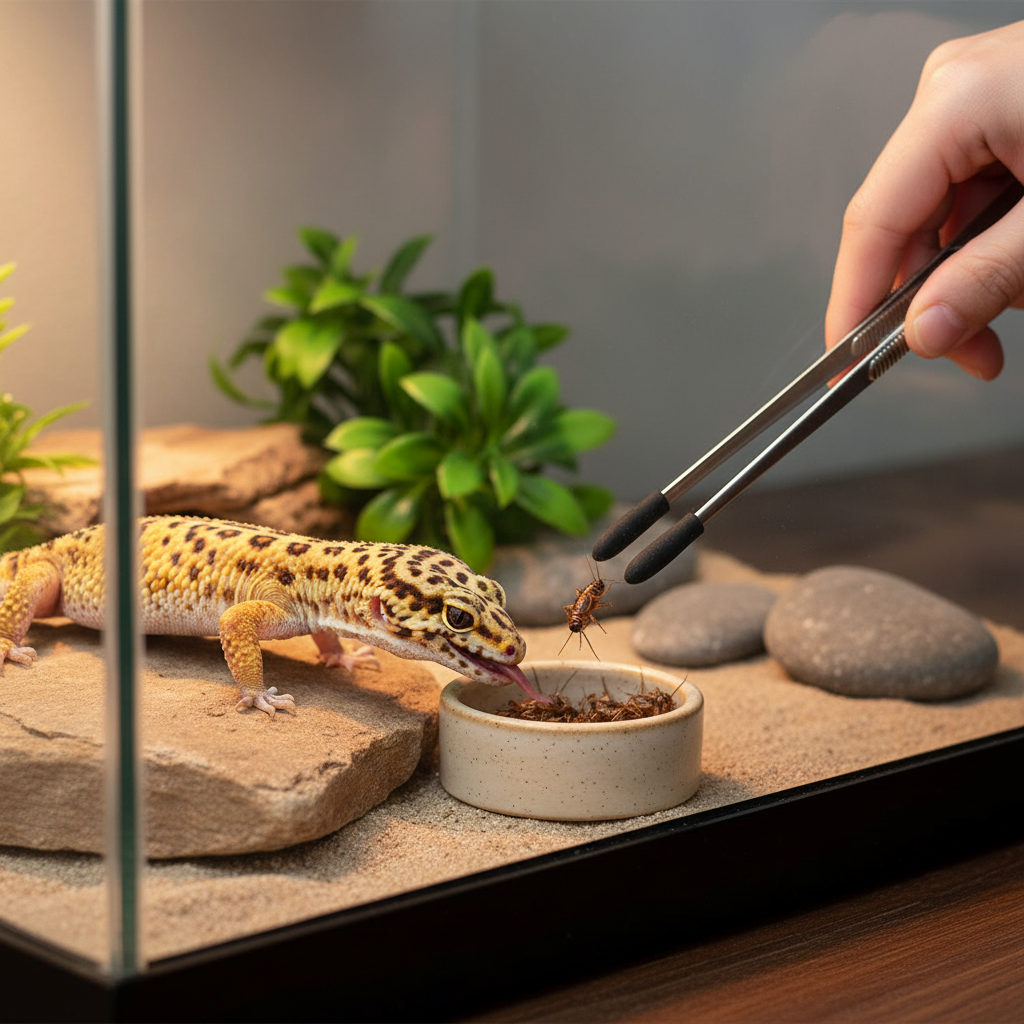
- Use tongs or a feeder cup if your species learns to hunt from a target area.
For shy or juvenile reptiles
- Try feeding in a calm window when your lizard is naturally active.
- Consider smaller crickets and fewer at once to reduce intimidation.
- Keep handling minimal before meals, some animals simply stop eating when stressed.
Dusting basics (keep it clean and light)
Supplements depend on species, age, and UVB setup. Many keepers dust with calcium, and sometimes a multivitamin on a schedule, but overdoing powders can also cause refusals. If you are unsure, a reptile vet can help you set a plan that matches your lighting and diet.
Live-cricket care cheat sheet (table)
When you want lizard food crickets live for more than a couple days, small habits matter more than any single “hack.” Use this as a quick reference.
| Topic | What usually works | What often causes die-offs |
|---|---|---|
| Ventilation | Large screened vents, dry airflow | Sealed lids, humid stagnant air |
| Hydration | Hydration gel or small produce portions | Open water dish, soaked food |
| Food | Dry chow + fresh gut-load in small amounts | Moldy leftovers, too much wet produce |
| Density | Split big orders into two bins | Overcrowding, heavy cannibalism |
| Cleaning | Remove dead daily, dump frass weekly | Waste buildup, ammonia smell |
Common mistakes (and the fixes that feel “too simple”)
- Keeping the shipping box as the long-term home: move crickets into a ventilated bin the same day.
- Trying to solve odor with fragrance: fix airflow and waste removal instead, scents can irritate reptiles.
- Feeding only potato slices: it may keep them alive short-term, but nutrition for your lizard stays thin.
- Buying huge quantities to save money: unless you have space and time, smaller, more frequent purchases often waste less.
- Leaving loose crickets in the enclosure: controlled feeding prevents escapes and reduces stress.
When to ask a professional (or switch feeders)
If your reptile stops eating, loses weight, has abnormal stool, or shows signs like lethargy, swelling, or persistent mouth irritation, it is worth contacting a qualified reptile veterinarian. Feeding issues can look like “picky behavior” but sometimes trace back to temperature, UVB, parasites, or other husbandry gaps.
Also, if you cannot keep crickets alive despite good ventilation and routine cleaning, you might simply be fighting your local climate or a rough supplier batch. In that case, rotating feeder options such as roaches, black soldier fly larvae, or worms may be more stable, depending on your species and local regulations.
Conclusion: keep them alive, then make them worth feeding
Keeping crickets healthy is less about special gear and more about dry airflow, controlled hydration, and quick cleanup. If you do those three, most batches become predictable, and your lizard usually eats with less hesitation.
Your next step can be simple: set up a ventilated bin with egg flats today, then gut-load for 24–48 hours before your next feeding, you will notice the difference in activity and smell pretty quickly.
FAQ
How long can I realistically keep live crickets for lizard food?
Many home keepers manage about 1–2 weeks with decent ventilation and cleaning, sometimes longer, but shipping stress and room conditions can shorten that. If you need longer storage, buying smaller batches more often may be easier.
Why do my crickets die overnight even when I feed them?
Overnight die-offs usually point to airflow or moisture problems, not hunger. Check for condensation, wet food, crowded egg flats, and strong odor, then improve ventilation and remove waste.
Is it safe to feed my lizard crickets that look weak or are turning dark?
It depends on why they look weak, but many keepers avoid feeding crickets that are dying, mold-exposed, or from a bin with heavy ammonia odor. If you are seeing repeated appetite issues, consult a reptile vet for species-specific guidance.
What is the easiest gut-load for beginners?
A stable dry cricket chow plus small daily portions of leafy greens and carrot or squash is a common starting point. Keep portions small so they get eaten quickly and do not raise humidity.
Do I need water crystals or can I use fruits and vegetables only?
Produce can work, but it is easier to accidentally make the bin wet, especially in humid rooms. Hydration gels or crystals tend to reduce drowning and mess, as long as you keep the container clean.
Why does my cricket bin smell like ammonia?
Ammonia smell usually means waste buildup combined with poor ventilation. Remove dead crickets, dump frass, replace damp egg flats, and increase screened airflow.
Should I leave crickets in the terrarium so my lizard can hunt later?
In many setups it causes more problems than it solves: hidden crickets can stress reptiles, nibble on shed skin, and die in corners. Controlled feeding sessions with removal of leftovers is the safer habit for most pets.
What size crickets should I buy for my lizard?
A common rule is to choose feeders no wider than the space between your lizard’s eyes, but species and individual size matter. When in doubt, go smaller and feed more pieces, it reduces choking risk and makes picky animals more confident.
If you are trying to keep feeder insects consistent week after week, and you want a more predictable routine than “buy crickets and hope,” it may help to set up a simple two-bin rotation and a basic gut-load plan, or ask your reptile shop or veterinarian what feeder mix fits your species and enclosure conditions.