
Dog separation anxiety relief starts with a simple idea: your dog isn’t “being bad,” they’re panicking when you leave. That difference matters, because punishment and scolding usually make the problem louder, not quieter.
If you’re dealing with barking, accidents, scratching at doors, or a dog that shadows you all day, you’re not alone. Separation-related behaviors are one of the top reasons people feel stuck, because they happen when nobody is home and the feedback loop is messy.
This guide focuses on what tends to work in real homes: clearer routines, training that lowers “departure panic,” and management steps that protect your dog while you build progress. You’ll also see when it’s time to bring in a veterinarian or certified behavior professional, because sometimes that’s the fastest, kindest route.
What separation anxiety really looks like (and what it isn’t)
Many dogs dislike being alone, but true separation anxiety is typically intense and specific. It often shows up within minutes of you leaving, not hours later.
- Common signs: nonstop barking/howling, destructive scratching at exit points, drooling/pacing, attempts to escape, loss of appetite when alone, stress diarrhea.
- Often confused with: adolescent mischief, boredom chewing, incomplete house training, noise phobias, barrier frustration, or medical issues.
A quick reality check: if your dog only destroys couch cushions when you leave but ignores them when you’re home, that pattern leans more “separation-related” than “chew toy preference.” But if destruction happens anytime, even with you present, you may be looking at a different training problem.
According to the American Veterinary Medical Association (AVMA), behavior concerns can be influenced by health factors, so it’s reasonable to rule out pain, GI issues, or urinary problems if accidents or distress seem new or sudden.
Why dogs develop separation anxiety
There’s rarely one single cause. Most households see a mix of learning history, routines, and life changes.
- Big schedule shifts: moving from “someone always home” to office days, travel, or school schedules.
- Attachment patterns: dogs that never practice alone time can panic when it suddenly becomes mandatory.
- Past disruption: rehoming, shelter stays, or abrupt changes can increase sensitivity, though not every adopted dog develops anxiety.
- Noise or environment triggers: hallway sounds, elevators, fireworks, or neighborhood dogs can amplify distress once you’re gone.
- Genetics and temperament: some dogs are simply more prone to anxiety, similar to people.
Many owners get stuck because they try to “tire the dog out” and hope it fixes everything. Exercise helps, but panic is not excess energy. It’s an emotional response that needs a different plan.
Self-check: confirm you’re dealing with separation anxiety
Before you commit to a training plan, get clearer evidence. Guessing leads to the wrong fixes.
Use this quick checklist
- Behavior starts within 0–30 minutes after you leave.
- Dog becomes clingy, follows you room-to-room, or watches departure cues.
- Damage focuses on doors, windows, crates, or gates.
- Food toys are ignored once you exit, even if your dog loves them when you’re home.
- Symptoms improve when someone is home, even if the dog is not actively entertained.
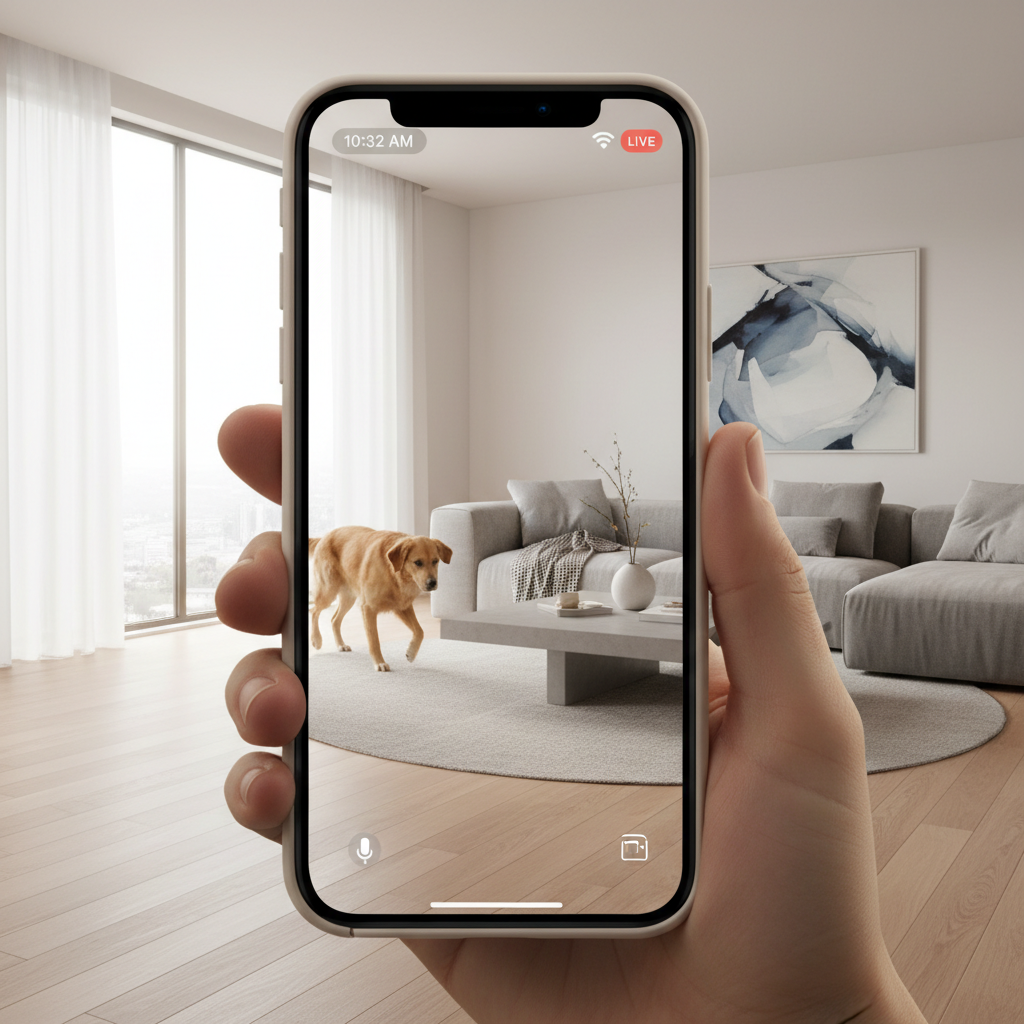
If possible, set up a simple camera view (phone, pet cam, laptop). What you see matters: constant pacing and vocalizing is a different problem than a dog who settles after five minutes.
Safety note: if your dog injures themselves trying to escape, that’s an urgent sign to pause “trial and error” and get professional guidance.
Dog separation anxiety relief: a practical plan that usually works
The goal is not “make your dog love being alone tomorrow.” It’s to teach a calmer emotional response in small, repeatable steps while preventing full panic rehearsals.
Step 1: reduce rehearsal of panic
- Arrange coverage when you can: friend, family, sitter, daycare, or neighbor drop-ins.
- For short absences, choose durations your dog can handle without spiraling, even if it feels inconvenient.
This step sounds basic, but it’s often the hinge. If panic happens daily, your training progress keeps getting reset.
Step 2: make departure cues boring
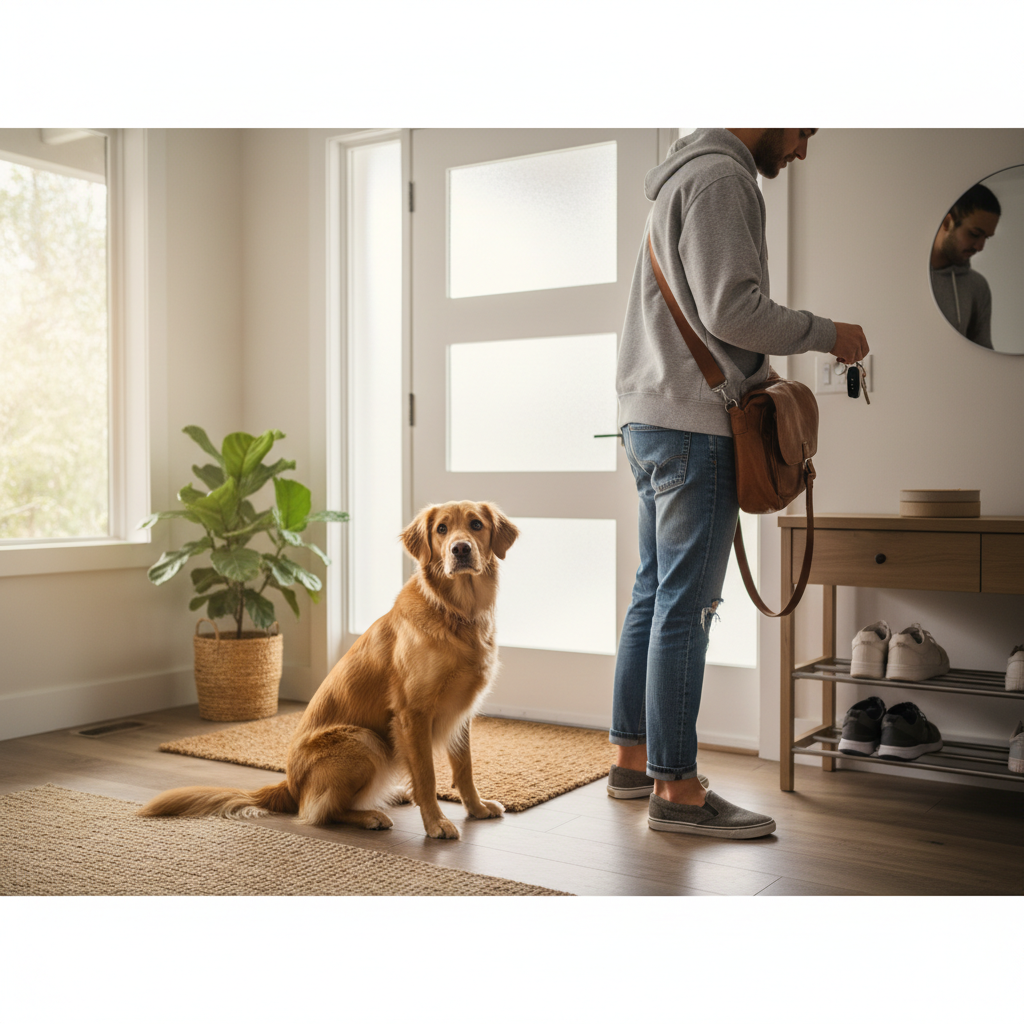
If keys, shoes, or a work bag trigger stress, practice those cues without leaving. Pick up keys, sit down. Put on shoes, make coffee. Repeat until the cues lose their “oh no” meaning.
- Do 5–10 micro-reps at random times.
- Keep your body language calm, no apologizing or dramatic goodbyes.
Step 3: gradual alone-time training (the real core)
Start below your dog’s panic threshold and build slowly. That might mean seconds, not minutes, at the beginning.
- Leave, return before stress escalates, and act neutral.
- Increase duration in small jumps, and occasionally drop back to easier reps.
- If your camera shows heavy pacing/vocalizing, shorten the next session.
According to the American College of Veterinary Behaviorists (ACVB), behavior modification for anxiety often relies on systematic desensitization and counterconditioning, which is the fancy way of saying “tiny doses, paired with good outcomes, repeated many times.”
Step 4: enrich the environment (but don’t rely on it alone)
Food puzzles, snuffle mats, and lickables can help some dogs settle, especially those with mild separation distress. For dogs with severe anxiety, they may ignore food once you leave, so treat enrichment as a support tool, not the whole solution.
- Try long-lasting options: frozen stuffed Kong-style toys, lick mats, slow feeders.
- Offer a predictable rest spot: bed in a quiet room, white noise, curtains partly closed.
- Consider leaving a recently worn shirt if it helps your dog relax, though results vary.
Which setup helps most? Use this quick comparison table
Containment can help or backfire. The “right” choice depends on your dog’s history and what your camera shows.
| Option | Good fit when… | Watch-outs |
|---|---|---|
| Crate | Dog is truly crate-comfortable and settles in it when you’re home | Can increase panic; escape attempts can cause injury |
| Exercise pen | Dog prefers more space but still benefits from boundaries | Some dogs climb or push pens, especially when distressed |
| Dog-proof room | Dog settles better with freedom and fewer “exit points” | Must remove hazards; door scratching may increase |
| Free roam | Dog already self-settles and doesn’t search for you | Risk of chewing hazards, counter-surfing, or door damage |
If your dog panics in a crate, switching to a safer room setup can be a meaningful piece of dog separation anxiety relief, even before training fully “takes.”
Mistakes that quietly slow progress
These are common because they feel intuitive, but they often keep the cycle going.
- Big goodbyes and big hellos: it can raise the emotional spikes around departures and returns.
- Flooding: leaving “so they get used to it” sometimes increases sensitivity, especially with true panic.
- Punishment after the fact: your dog won’t connect it to what happened hours earlier, and it can add fear.
- Jumping duration too fast: going from 2 minutes to 20 minutes often breaks the learning loop.
- Assuming exercise is the cure: it helps regulation, but it’s not the main lever for anxiety.
One more subtle one: using a high-value chew only when you leave can turn it into a “you’re leaving” signal. If that happens, give similar chews sometimes when you stay home, so the pattern weakens.
When to involve a veterinarian or behavior professional
If your dog’s distress looks intense, getting help early is usually kinder than stretching it out for months. Medication is not “cheating,” it’s sometimes a temporary support that makes learning possible.
- Self-injury, bloody paws, broken teeth, or frantic escape behavior
- Continuous vocalizing for long stretches, especially in apartments where complaints are likely
- Sudden onset after a medical event or as your dog ages
- No improvement after a few weeks of consistent below-threshold training
According to the ASPCA, separation anxiety can be serious and may benefit from a structured behavior plan, and in some cases veterinary support. A veterinarian or a board-certified veterinary behaviorist can help rule out medical causes and discuss whether anti-anxiety medication might be appropriate for your situation.
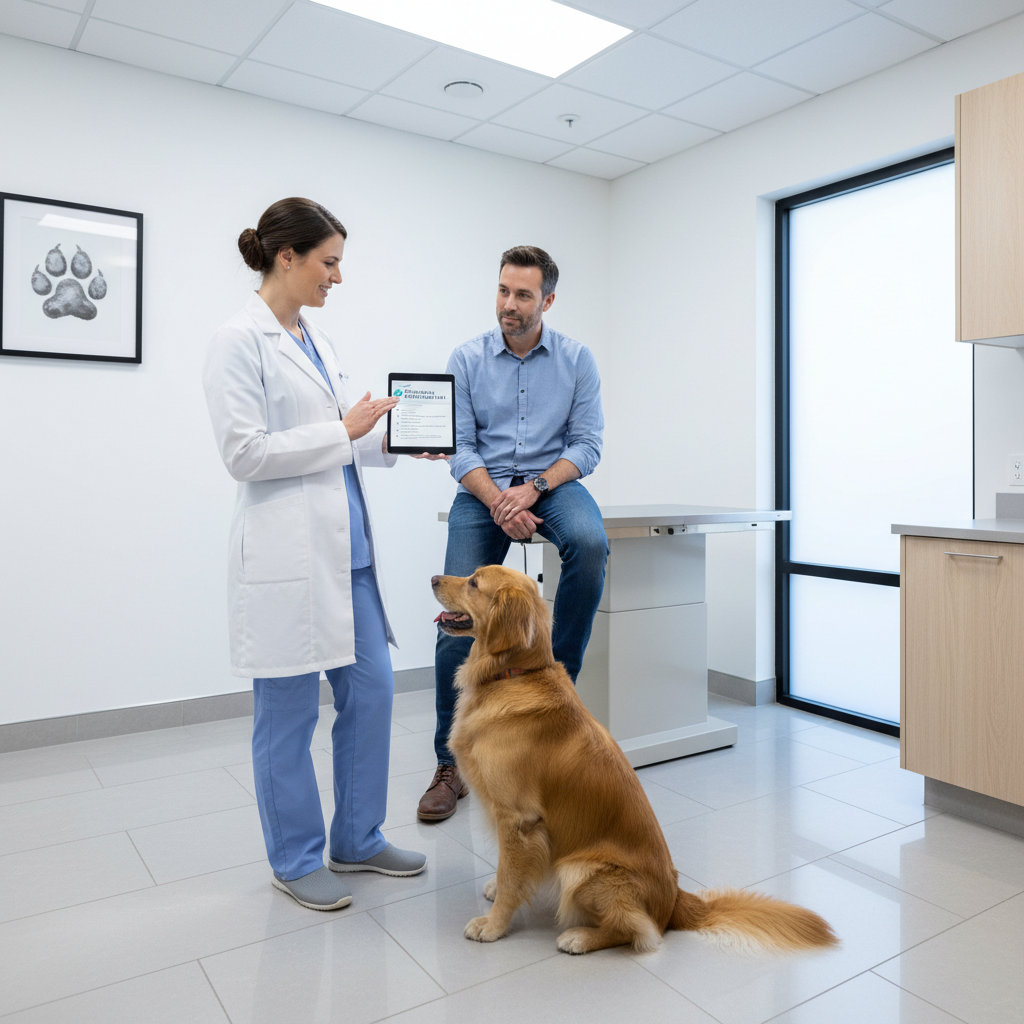
Practical tip: look for credentials like CAAB, ACAAB, or a board-certified veterinary behaviorist (DACVB). Many positive-reinforcement trainers also specialize in separation anxiety, but the severe cases benefit from medical oversight.
Key takeaways you can start this week
- Confirm the pattern with a camera so you treat the right problem.
- Prevent full panic rehearsals as much as your schedule allows.
- Train below threshold, even if that begins with seconds.
- Choose a safe setup that reduces injury risk and exit-point obsession.
- Escalate support if distress is severe or progress stalls.
Conclusion: make it smaller, make it repeatable
Most dog separation anxiety relief plans succeed when they stop trying to “solve it” in one leap and start stacking small wins. If you do one thing today, set up a camera and find the first duration where your dog can stay calm, then practice that level until it looks almost boring.
If your dog’s anxiety feels bigger than what home training can safely handle, loop in your vet or a qualified behavior pro sooner rather than later. It’s not dramatic, it’s just efficient, and your dog gets relief faster.
FAQ
How long does it take to see improvement with separation anxiety?
It varies a lot. Mild cases may improve within weeks, while moderate to severe anxiety can take months of consistent below-threshold practice. The bigger predictor is how often panic episodes still happen during the process.
Should I get another dog to fix separation anxiety?
Sometimes a second dog helps a little, but it’s not a reliable fix. Many dogs with true separation anxiety are specifically distressed by separation from a person, not loneliness in general.
Does ignoring my dog before I leave help?
Keeping departures low-key can help reduce arousal, but “ignoring” isn’t a magic switch. What usually matters more is training short absences your dog can handle and removing scary meaning from departure cues.
Are calming treats or supplements enough?
For mild stress, some owners feel supplements help, but results vary and products differ. If you try them, treat them as a support tool alongside training, and ask your veterinarian about safety and interactions.
Is crating recommended for separation anxiety?
Only if your dog is already comfortable in a crate and you see them settle on camera. If crating increases frantic behavior, a larger safe space is often a better management choice.
Why does my dog destroy the door specifically?
That’s often “exit-point focus,” where the dog tries to reunite with you. It’s a common separation-anxiety pattern and a sign to prioritize safety, reduce rehearsal, and train gradual departures.
Can I practice longer absences on weekends to speed it up?
Usually that backfires if longer absences push your dog over threshold. You’ll often get faster progress by doing more frequent short reps that stay calm, even if it feels slow day-to-day.
Practical next step (if you want the easier route)
If you’re juggling work, neighbors, and a stressed dog, it may help to set up a simple plan: a camera baseline, a safe confinement choice, and a weekly progression of alone-time reps. If you’d prefer a more hands-off approach, consider partnering with a qualified positive-reinforcement trainer or a veterinary behavior team who can tailor the steps to your dog’s exact threshold and triggers.