
Kitten soft fleece bed warm cozy sounds simple, but picking the right one can be the difference between a kitten who naps deeply and one who keeps pacing, kneading, and abandoning the bed after two minutes.
If you have a new kitten, you’ve probably noticed they rotate through “sleep spots” all day, your hoodie, the couch corner, the carrier, sometimes the litter-mat, which is… not ideal. A good fleece bed doesn’t just feel nice, it can support warmth regulation, reduce drafts, and give them a predictable place to settle.
This guide breaks down what actually matters, size, shape, fleece quality, safety details, and how to match a bed to your kitten’s nap style. I’ll also share a quick comparison table, a practical checklist, and a few avoidable mistakes people make when shopping fast.
Why kittens get picky about beds (it’s not attitude)
Kittens often reject beds for reasons that are pretty logical in their world, texture, smell, temperature, and “security” all compete with whatever spot they already claimed. When a bed misses one of those, they just move on.
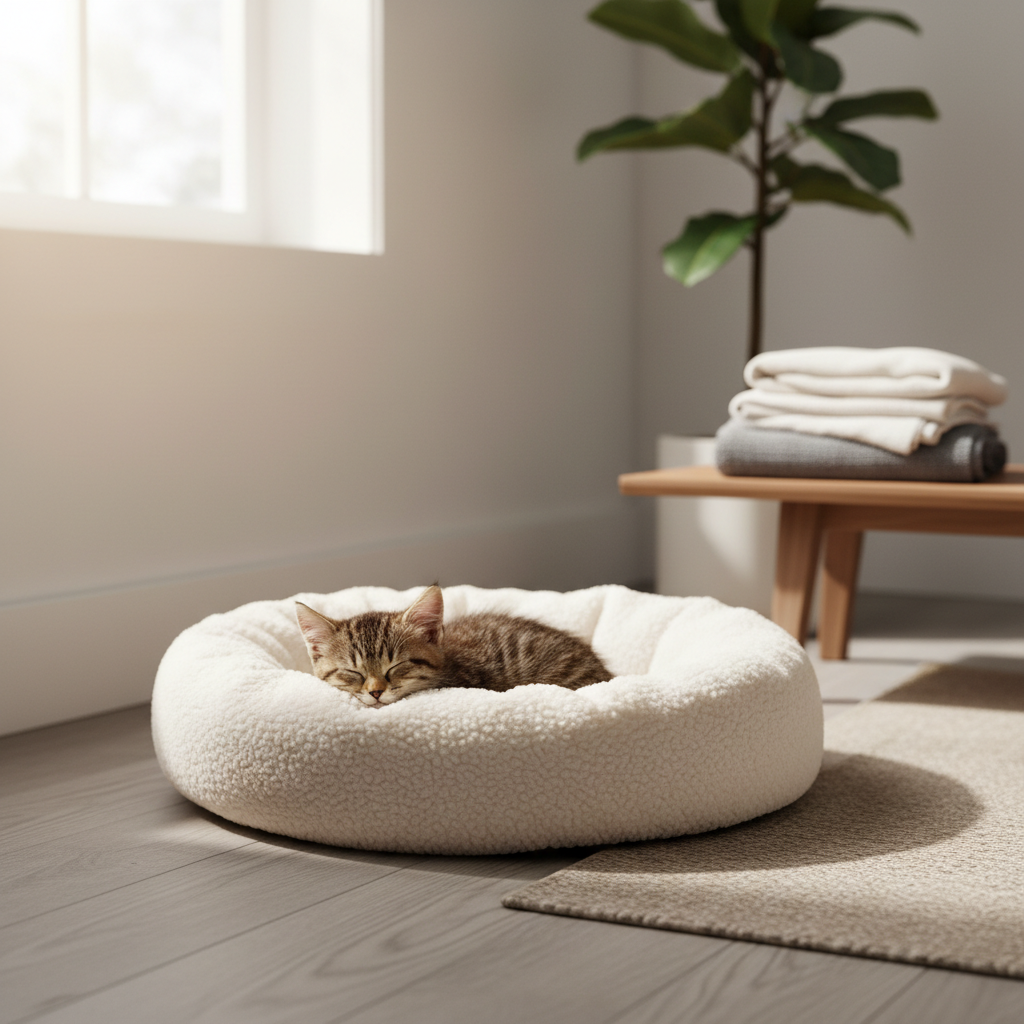
Here are the common “why won’t they use it?” triggers I see most:
- Too open: many kittens sleep better with edges that touch their body, it feels like a den.
- Not warm where it counts: fleece can be warm, but if the base is thin and sits on tile, the bed still feels cold.
- Slippery bottom: a bed that slides when they step in can make them avoid it.
- Strong factory odor: sensitive noses, plus stress from a new home, can make smells a deal-breaker.
- Wrong size: oversized beds look cute, but many kittens prefer a snug curl-up fit.
According to the American Veterinary Medical Association (AVMA), kittens should see a veterinarian early for wellness care and guidance. If your kitten can’t settle, cries persistently, or seems unusually restless, it’s worth asking your vet, sometimes it’s not “bed fussiness,” it’s discomfort, parasites, or anxiety.
What “warm & cozy” really means in a fleece kitten bed
Warmth isn’t only about fluffy fabric, it’s about how the whole bed holds heat and blocks chill from below. A kitten soft fleece bed warm cozy enough for real naps usually nails four basics.
- Fleece with a soft nap: not scratchy, not “plasticky,” and not so long that claws get snagged.
- Raised rim or bolsters: gives head support and a safe, tucked-in feeling.
- Supportive base: a little cushion helps keep cold floors from stealing warmth.
- Breathability: warmth without overheating, especially in heated homes.
One nuance people miss, “cozy” can also mean quiet. Crinkly liners, loud tags, and stiff seams sometimes bother kittens more than you’d expect.
Quick comparison table: choosing the right bed style
If you’re torn between shapes, here’s a practical way to decide without overthinking it. Your kitten’s favorite sleep posture is usually the best clue.
| Bed style | Best for | Watch-outs |
|---|---|---|
| Donut / round bolster | Curling up, anxious kittens, drafty rooms | Can run hot in summer, pick breathable fleece |
| Cave / hooded bed | Hiders, kittens who burrow under blankets | Some kittens dislike enclosed tops at first |
| Flat mat / pad | Crate training, travel, multi-cat homes | Less “secure,” needs a warm placement |
| Small orthopedic-style foam base | Extra support, hard floors | Must be washable or have a removable cover |
A fast self-check: is your current bed the problem or the setup?
Before buying a second bed, do a quick reality check. In many homes, the bed is fine, the placement isn’t.
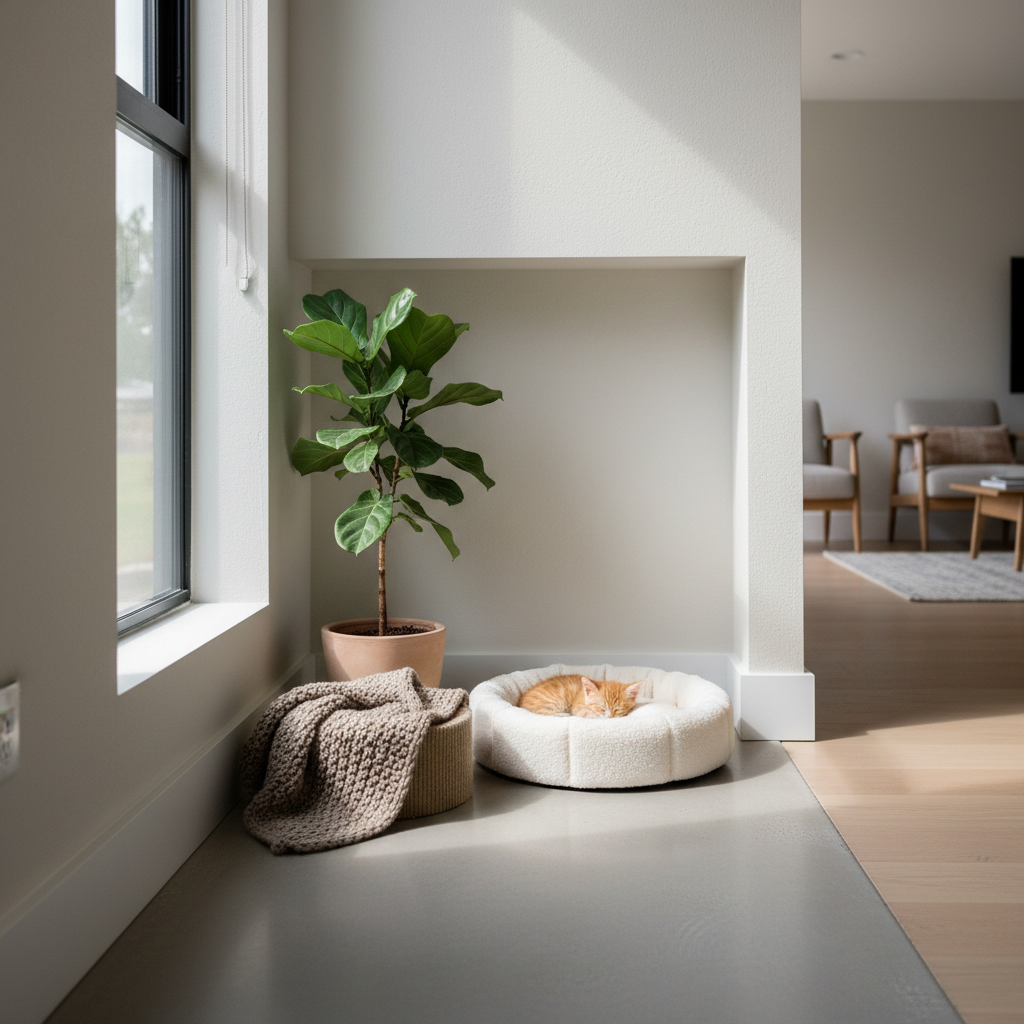
- Does the bed slide when your kitten steps in or kneads? If yes, add a non-slip mat or switch to a grippy bottom.
- Is it near a vent, doorway, or window draft? Move it before you blame the bed.
- Does your kitten prefer tight spaces (under chairs, behind pillows)? Consider a bolster or cave style.
- Are naps happening somewhere higher (cat tree shelf, sofa back)? You may need elevation, not a softer bed.
- Any chewing on seams or tags? That’s a safety flag, remove tags and avoid loose trim.
- Is the bed too large for a kitten-sized curl? Smaller can feel safer.
If your kitten avoids the bed but sleeps on your laundry, it’s often a scent issue. Try adding a worn cotton tee over the bed for a day or two, then remove it once they start choosing the bed on their own.
How to choose the right size and materials (without guesswork)
Most shoppers pick based on “will they grow into it,” but kittens usually choose what feels secure now. A kitten soft fleece bed warm cozy enough for everyday use should fit their current curl-up size, with a little room to stretch.
Size tips that tend to work
- Curl sleepers: aim for a bed where the rim lightly touches their sides when curled.
- Sprawl sleepers: choose a slightly longer base, still with a small edge for head support.
- Multi-pet homes: consider two smaller beds instead of one big one, fewer turf wars.
Material details worth checking
- Removable, washable cover: kittens track litter dust and have occasional tummy-upset moments.
- Low-shed fleece: reduces loose fibers, especially important if your kitten kneads aggressively.
- Non-toxic dyes and finishes: if the listing is vague, that’s a reason to be cautious.
- Hidden zippers or protected seams: fewer chew targets.
According to the ASPCA, it’s wise to minimize access to items that can be chewed or swallowed. If your kitten is in a chew-everything phase, avoid beds with dangling pom-poms, ribbons, or loose decorative stitching.
Make it work: a simple “bed training” routine for better naps
You shouldn’t have to bribe a kitten forever, but a short setup routine helps them accept a new sleep spot. The goal is “this place feels safe,” not “this place is where treats appear all day.”
- Place the bed where naps already happen, then slowly shift it a few feet per day to your preferred spot.
- Add familiar scent using a worn shirt or the blanket they already choose.
- Use calm timing: introduce the bed after play and a small meal, when they naturally wind down.
- Reward the first two seconds: a soft “good,” a gentle pet, or one treat when they step in, then back off.
- Keep it predictable: don’t move it constantly, kittens like stable “territory.”
Key point: if they fall asleep nearby but not inside, that’s progress. Many kittens need repetition before they fully commit.
Common mistakes that waste money (and annoy your kitten)
Some issues show up after a week, not on day one, which is why returns feel so common with pet beds.
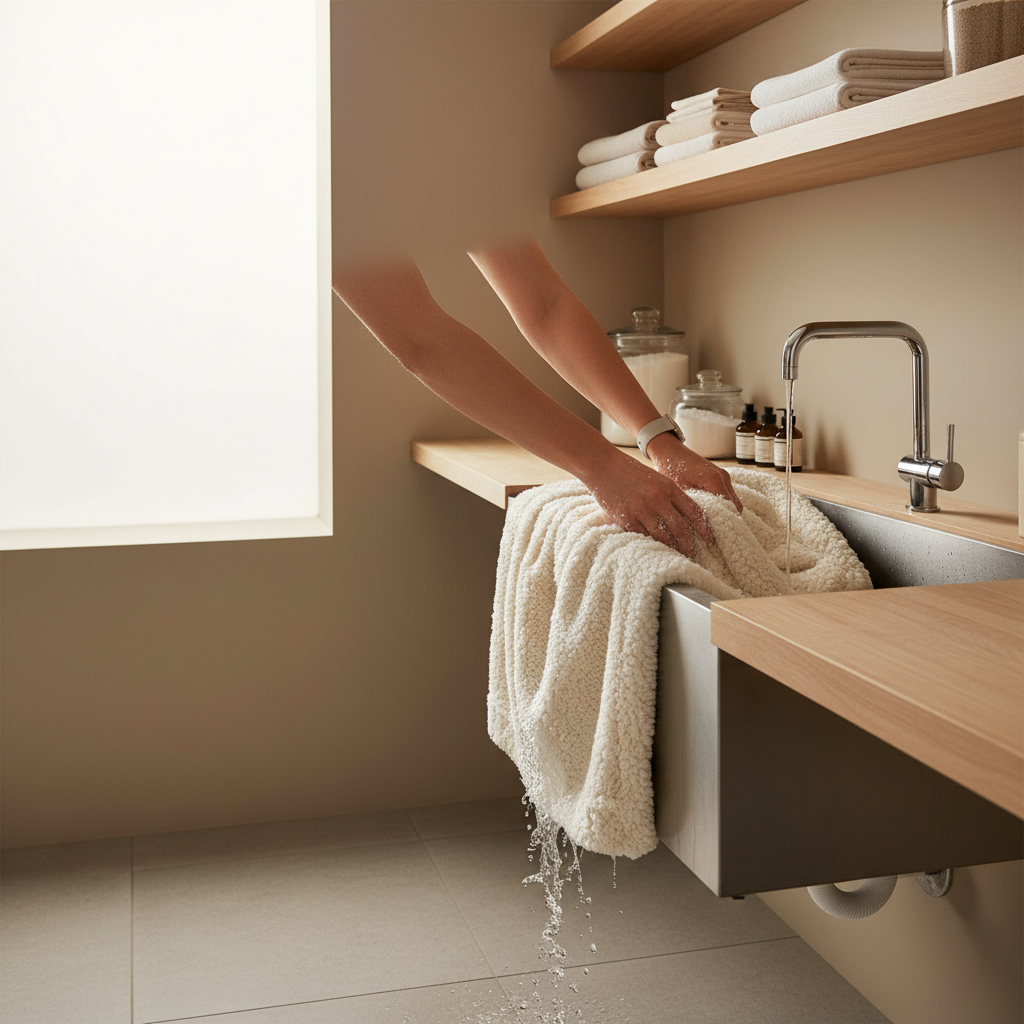
- Buying “ultra plush” without checking washability: if it mats after one wash, it stops feeling cozy.
- Ignoring the base: thick rim + thin bottom still feels cold on hardwood.
- Putting the bed next to the litter box: convenient for humans, not appealing for naps.
- Using heavy fragrance detergents: many cats avoid strong scents, stick to mild, unscented options when possible.
- Thinking one bed fits every season: fleece is great, but in hot climates you may rotate to a lighter pad.
If your kitten starts scratching the bed aggressively, check whether nails catch in the fleece loops. A tighter weave or shorter pile often holds up better.
When to ask a vet or behavior professional
A bed won’t fix discomfort or stress. If sleep seems “off,” it’s smart to widen the lens.
- Possible health concerns: frequent waking, crying at rest, limping, or sensitivity when picked up could warrant a vet visit.
- Overheating signs: panting, drooling, or seeking only cool surfaces, reduce warmth and consult a professional if it persists.
- Separation distress: constant vocalizing when alone might improve with routine changes, but a vet or qualified behaviorist can help tailor steps.
According to the American Association of Feline Practitioners (AAFP), cats benefit from environments that support comfort, safety, and predictable resources. If your kitten seems chronically unsettled, professional guidance can help you rule out medical issues and reduce stressors at home.
Conclusion: the simplest path to a bed your kitten actually uses
If you want a kitten soft fleece bed warm cozy enough for real naps, prioritize a snug fit, a stable non-slip base, and a placement that feels protected from drafts and noise, then give your kitten a couple of days to decide. Most of the “my kitten hates beds” stories turn into “they love it” once scent and setup match their instincts.
Your next move can be small: check the floor temperature where the bed sits, add a familiar-smelling layer for 48 hours, and see whether your kitten starts choosing the bed after playtime. That’s usually the fastest, most honest test.
FAQ
What size fleece bed is best for a young kitten?
Usually a smaller, snug bed works better than an oversized one. If the rim lightly touches their sides when curled, many kittens settle faster.
How do I get my kitten to sleep in the bed instead of on my clothes?
Lean into it, place a worn shirt on top of the bed briefly so the bed “inherits” that comfort cue. Once they start using the bed, remove the shirt so they keep choosing the bed itself.
Is a cave-style bed safe for kittens?
Often yes, but safety depends on structure and materials. Avoid beds with flimsy arches, loose strings, or anything your kitten can chew off, and supervise early use if your kitten is very mouthy.
Can fleece beds make kittens overheat?
In warmer homes or hot climates, it can happen. If your kitten keeps leaving the bed for cool floors, switch to a lighter pad or a breathable bed and consider asking a vet if you see persistent heat-stress signs.
How often should I wash a kitten bed?
Many owners wash weekly or biweekly, and sooner if there’s an accident or fleas are a concern. Use a gentle, ideally unscented detergent and make sure it dries fully to avoid mildew smell.
Should the bed go in the bedroom, living room, or crate?
Put it where your kitten already naps and where foot traffic stays low. If you’re crate training, a flat fleece pad that fits the crate can work better than a bulky bolster.
My kitten kneads and bites the bed, is that normal?
Kneading is common, biting can be playful or stress-related. If they’re chewing seams or swallowing fibers, remove the bed and switch to sturdier construction, and consider professional guidance if chewing feels compulsive.
If you’re trying to find a fleece bed that stays warm without turning into a linty mess, or you’d rather choose based on your kitten’s sleep style instead of guessing, a short curated checklist from a pet-supply team can save time and a couple of wrong purchases.