
fish tank decoration rock cave choices can look simple, but the “right” cave is usually the one that keeps fish calm, stays put, and does not scratch fins or foul water.
If you’ve ever watched a new fish wedge itself behind the filter or pace the glass, you already know why a hide matters, it’s not just décor. A solid cave gives timid fish a retreat, helps territorial species define space, and can even make feeding routines smoother because stress behaviors drop.
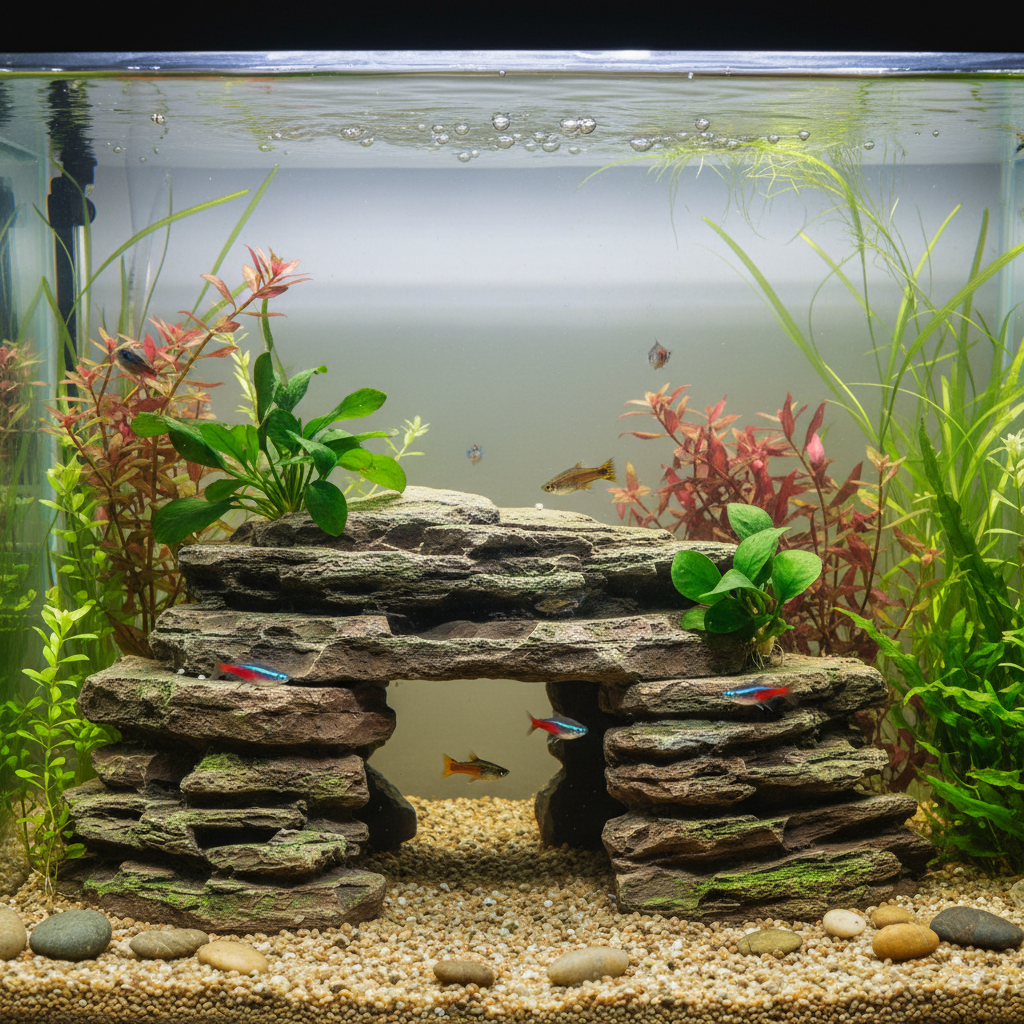
But there’s a catch: some caves chip, some trap debris, and some look great in photos but become a maintenance headache. This guide helps you pick a rock cave that fits your species, your tank size, and your cleaning tolerance, then set it up without creating new problems.
Why fish use caves (and why your tank benefits)
Hiding is normal fish behavior, not a sign you “did something wrong.” In many tanks, a cave improves day-to-day stability in a few practical ways.
- Stress reduction: Many fish calm down when they know a retreat exists, especially after transport, tank changes, or new tankmates.
- Territory management: Cichlids, some gouramis, and even “peaceful” species may claim zones; a cave can reduce constant chasing.
- Sleep and light control: Nocturnal or crepuscular fish often rest in shaded areas, a cave gives consistent cover.
- Breeding and nesting: Certain species prefer sheltered surfaces or cavities; even when you’re not breeding intentionally, the option can reduce conflict.
According to the American Veterinary Medical Association (AVMA), good husbandry includes meeting animals’ behavioral needs, in aquariums that often means providing shelter and enrichment rather than bare glass boxes.
Types of rock caves: resin vs ceramic vs natural stone
Not every “rock cave” behaves the same in water. The material affects safety, cleaning, weight, and how natural it looks after algae grows in.
Resin (most common “decor rock” caves)
- Pros: Lightweight, affordable, many shapes, easy to find at big-box pet stores.
- Watch for: Sharp seams, peeling paint, narrow entrances that scrape larger fish.
Ceramic caves (often marketed for shrimp/plecos)
- Pros: Usually inert, easy to scrub, stable shape, often smoother edges.
- Watch for: Limited “rock” realism, some designs have tight tubes that clog with debris in community tanks.
Natural stone caves (stacked rock or carved stone)
- Pros: Looks natural fast, algae patina blends in, very durable.
- Watch for: Weight, stability, and whether the rock type can affect pH or hardness.
According to the U.S. Geological Survey (USGS), water chemistry changes based on minerals in contact with water; in aquariums, carbonate-based rocks can raise hardness and pH, which can be good or bad depending on your fish.
A quick buyer checklist: is this cave actually safe?
Before you buy (or before you drop it into your tank), run a fast “hands-on” check. Most problems show up here.
- Edge test: Rub a cotton ball along openings and seams; if it snags, fins can snag too.
- Entrance sizing: The opening should be wider than your fish’s body thickness, not just its head.
- Stability: Can it wobble on your substrate? If it rocks easily, expect digging fish to tip it later.
- Interior dead zones: Deep caves with a single small entrance can collect mulm (fish waste + debris).
- Finish quality: Avoid strong chemical odors, tacky paint feel, or flaking surfaces.
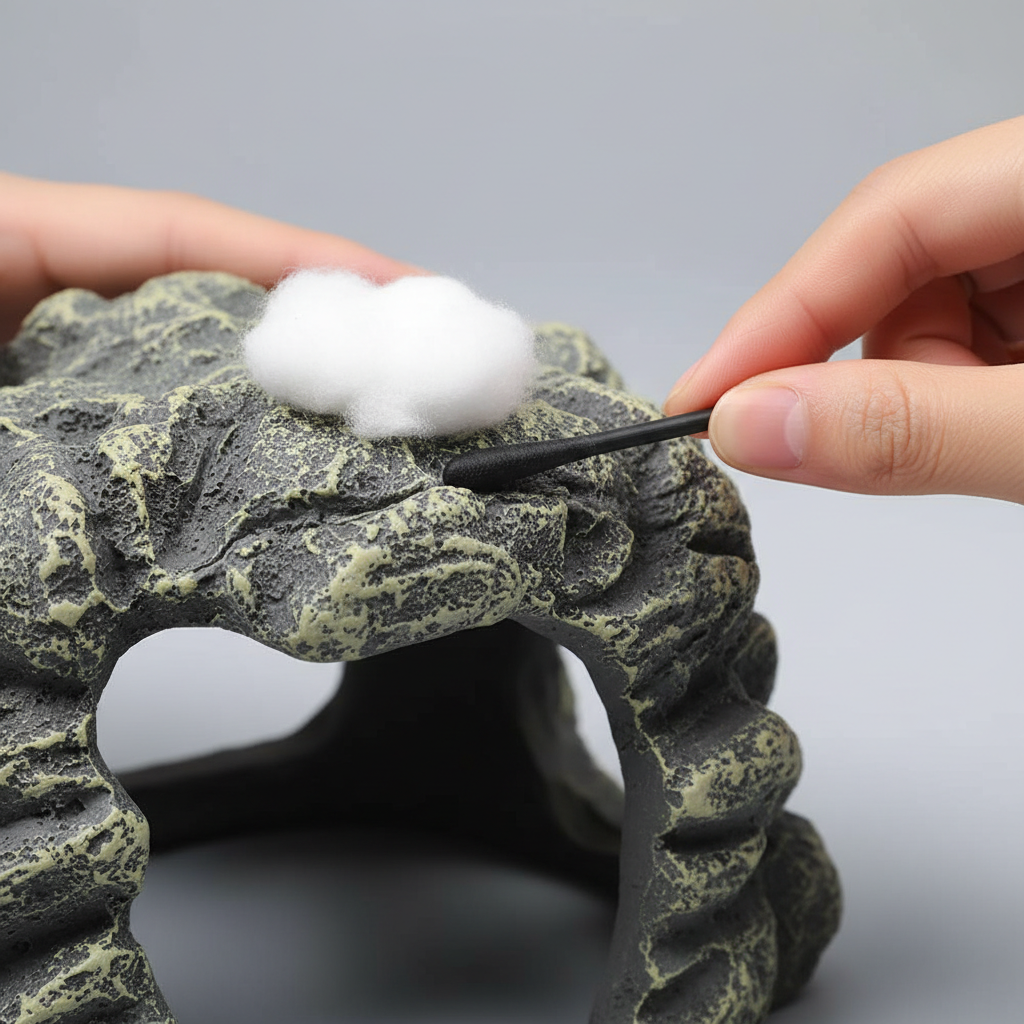
If you’re buying online, zoom in on seams and the entrance lip. Product photos often hide the one spot that matters, the “knife edge” where fish squeeze in.
Choosing the right size and shape for your fish
A fish tank decoration rock cave works when the fish can enter and turn around without panic, while still feeling “covered.” Too roomy can be fine, but too tight causes injuries and constant backing-out behavior.
General sizing guidelines (practical, not perfect)
- Community fish (tetras, rasboras, danios): Wider entrances matter more than deep interiors; they often “hover near” rather than fully hide.
- Bottom dwellers (corydoras, loaches): Low-profile caves and multiple exits help; they hate dead-end traps when startled.
- Plecos and algae eaters: Smooth interiors prevent belly scrapes; choose a cave that matches adult size, not the baby you bought.
- Cichlids: Heavier, stable caves with a defined “front door” reduce rock shifting from digging.
- Shrimp: More small hides beat one big cave; you’re managing micro-territories and molting safety.
One nuance people miss: fish don’t only need “a” cave, they often need the cave in the right line of sight. If a dominant fish can stare straight into the entrance from its favorite perch, the hide won’t feel safe.
Placement and aquascape tips that prevent stress and mess
Where you place a cave changes how often it gets used, and how annoying it becomes to clean.
- Angle the entrance slightly away from the front glass if you have shy fish; they tend to avoid “open stage” entrances.
- Keep flow in mind: Put the cave where gentle water movement passes the entrance so debris does not settle inside.
- Leave a cleaning lane: If you can’t get a siphon near it, mulm will build up and you’ll resent the décor.
- Plant around it, not over it: A little cover helps, but dense plant mats can trap waste and block access.
- For diggers: Set the cave on the tank bottom (glass) and add substrate around it, rather than balancing on sand.
According to the U.S. Food & Drug Administration (FDA) guidance on aquarium fish handling in consumer contexts, keeping the environment clean and reducing stressors supports better outcomes; in practice, décor that traps waste becomes a slow-burn stressor.
Setup steps: rinse, test, and add it without clouding the tank
This is the part most people rush, then wonder why the water smells “off” two days later. A few minutes helps.
- Rinse with warm water only: Skip soap, detergents, and household cleaners.
- Scrub seams and texture: Use a dedicated aquarium brush to remove dust from manufacturing or shipping.
- Soak if it sheds dust: If the rinse runs cloudy repeatedly, soak and change water until it clears.
- Test stability in a bucket: Press down and tip gently, if it rocks, it will rock in the tank.
- Add slowly: Lower it close to the substrate to avoid smashing glass or stirring debris.
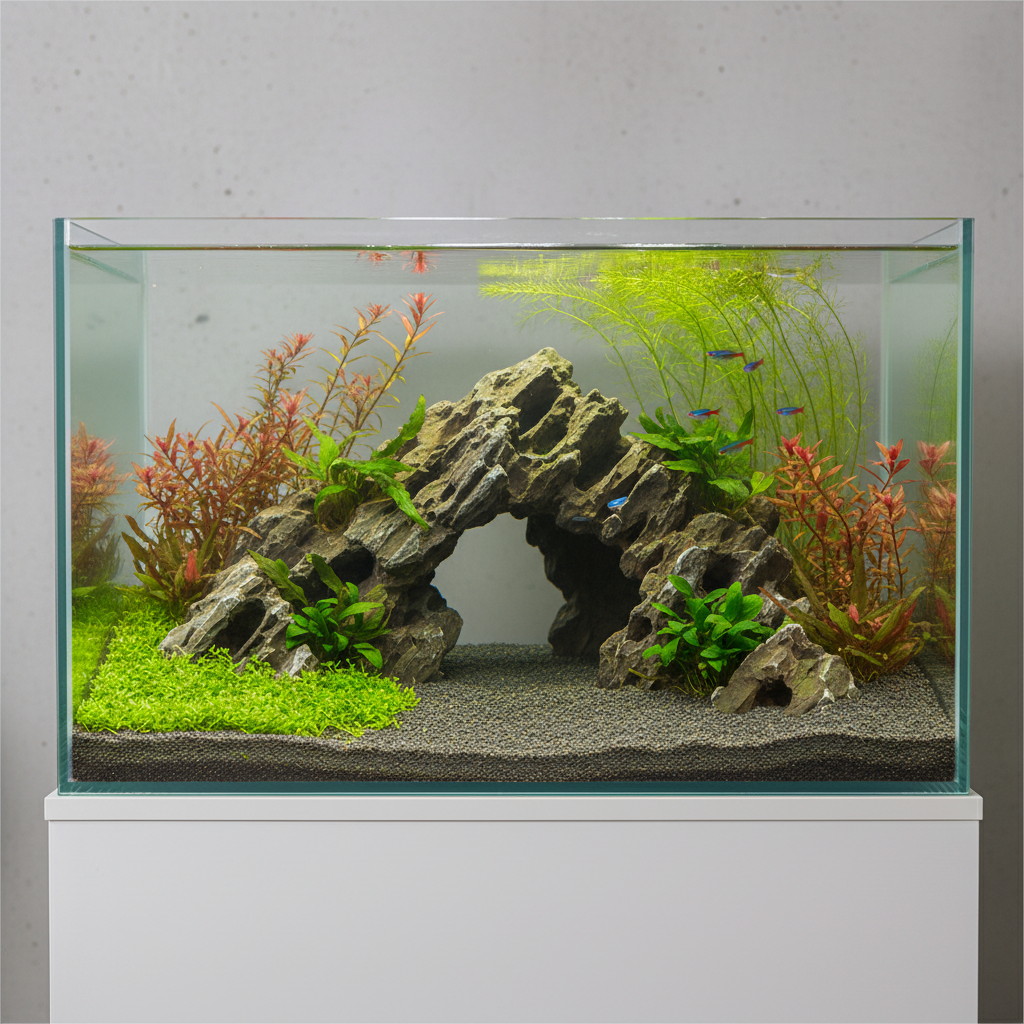
If you run a planted tank with active substrate or very fine sand, expect a little haze after rearranging. That’s normal, but if the cloudiness persists or smells odd, remove the décor and re-clean it, then check filtration.
Common mistakes (and what to do instead)
Most cave problems come from a handful of predictable missteps, usually well-intentioned.
- Buying for today’s fish size: Many species grow faster than expected; if you’re unsure, size up and add plants to “tighten” the feel.
- One hide for a busy tank: In mixed communities, a single cave becomes a conflict magnet; add multiple smaller shelters.
- Ignoring sharp points: If you notice fin splits after adding décor, remove it and sand rough edges (or replace it).
- Letting debris rot inside: During water changes, aim the siphon at the entrance; you’ll pull out hidden waste.
- Decor overload: Too many structures can reduce swimming lanes, which can raise aggression in some species.
Comparison table: what to pick for your tank
If you’re stuck between options, this quick table usually narrows it down.
| Tank situation | What to prioritize | Rock cave type that often works |
|---|---|---|
| Small tank (5–10 gal) | Compact footprint, easy cleaning access | Ceramic cave or small resin cave with wide entrance |
| Community tank with timid fish | Multiple hides, smooth edges, sightline breaks | Two or more resin/ceramic caves placed apart |
| Digging fish (many cichlids) | Weight, stability, secure base | Heavier resin cave, or natural rock stack stabilized |
| Shrimp-focused tank | Many micro-hides, safe molting cover | Small ceramic hides, shrimp tubes, rock cave plus moss |
| Hard-water species (African cichlids) | Durable structure, mineral compatibility | Natural stone (confirm it matches your water goals) |
When to ask for help (or rethink your plan)
If fish stop eating, breathe rapidly, or show repeated injuries after you add a cave, don’t “wait it out.” Remove the décor, test water parameters, and consider your stocking and aggression dynamics. If symptoms persist, it’s smart to consult a qualified aquatic veterinarian or an experienced local fish store that can look at your setup in context.
Also rethink “rock cave” if you keep very large fish in a small tank, the cave can become the scapegoat for a bigger issue: not enough space, unstable social pairing, or poor filtration.
Key takeaways before you buy
- Safety beats realism: smooth openings, no sharp seams, stable base.
- Match the cave to the fish’s adult size, not the size on purchase day.
- Placement matters: break sightlines, keep gentle flow at the entrance, leave room to siphon.
- More than one hide often reduces conflict in community tanks.
Conclusion: a good cave is “boring” in the best way
A fish tank decoration rock cave earns its keep when it blends into your routine, fish use it naturally, cleaning stays easy, and you stop thinking about it. Pick a safe material, confirm the entrance and interior make sense for your species, then place it where it calms the tank instead of cluttering it.
If you want a simple next step, choose one cave that fits your largest fish comfortably, add a second smaller hide across the tank, then watch behavior for a week before you keep rearranging anything.
FAQ
What size rock cave should I get for my fish?
Use your fish’s body thickness as the real measurement, the entrance should be wider than that, with enough interior space to turn around. If you’re unsure, size up and add plants or smaller décor nearby to create a “safer” feel.
Can a fish tank decoration rock cave change my pH?
Many resin and ceramic caves are inert, but some natural stones can affect hardness and pH. If your tank is sensitive, test the rock type or ask the seller what material it is, and monitor parameters after adding it.
How do I clean an aquarium rock cave without harming fish?
Rinse and scrub with warm water and an aquarium-only brush. For algae, many hobbyists use tank water during a water change; avoid soaps. If you feel you need chemical disinfection, it’s safer to ask an experienced store or aquatic professional for a method that fits your tank.
Why is my fish hiding all the time after I add a cave?
Sometimes hiding increases because fish finally feel safe enough to rest, especially after a move. If the fish also stops eating or looks distressed, check water quality, temperature, and aggression from tankmates, the cave might be revealing an existing stress issue.
Is one cave enough for a community aquarium?
Often not. A single hide can become a “resource” that dominant fish guard. Two or more shelters placed apart usually reduces chasing, especially in tanks with mixed personalities.
Can I stack rocks to make my own cave?
Yes, but stability matters. Many aquarists set rocks on the glass bottom and secure them so digging fish cannot collapse the structure. If you’re not confident it will stay stable, a pre-made cave is the safer choice.
What’s the best placement for a rock cave in a tank?
Aim for a spot with gentle flow past the entrance and enough room to siphon around it. Angling the opening away from the front glass can help shy fish feel less exposed.
Looking for an easier way to get it right?
If you’re trying to pick a cave that fits your fish and your tank footprint without guessing, it can help to shortlist two options, then choose based on entrance size, edge smoothness, and how easy it will be to clean around it during water changes.