
Cat hairball remedy treats natural works best when you treat hairballs as a routine problem to manage, not a one-time “fix”, because most cats keep grooming, keep swallowing hair, and keep needing steady support.
If you’re here because your cat hacks, gags, or leaves up hairballs on the rug, you’re not alone, and the confusing part is the treat aisle looks “healthy” even when formulas vary a lot in fiber type, oils, calories, and how they fit with your cat’s diet.
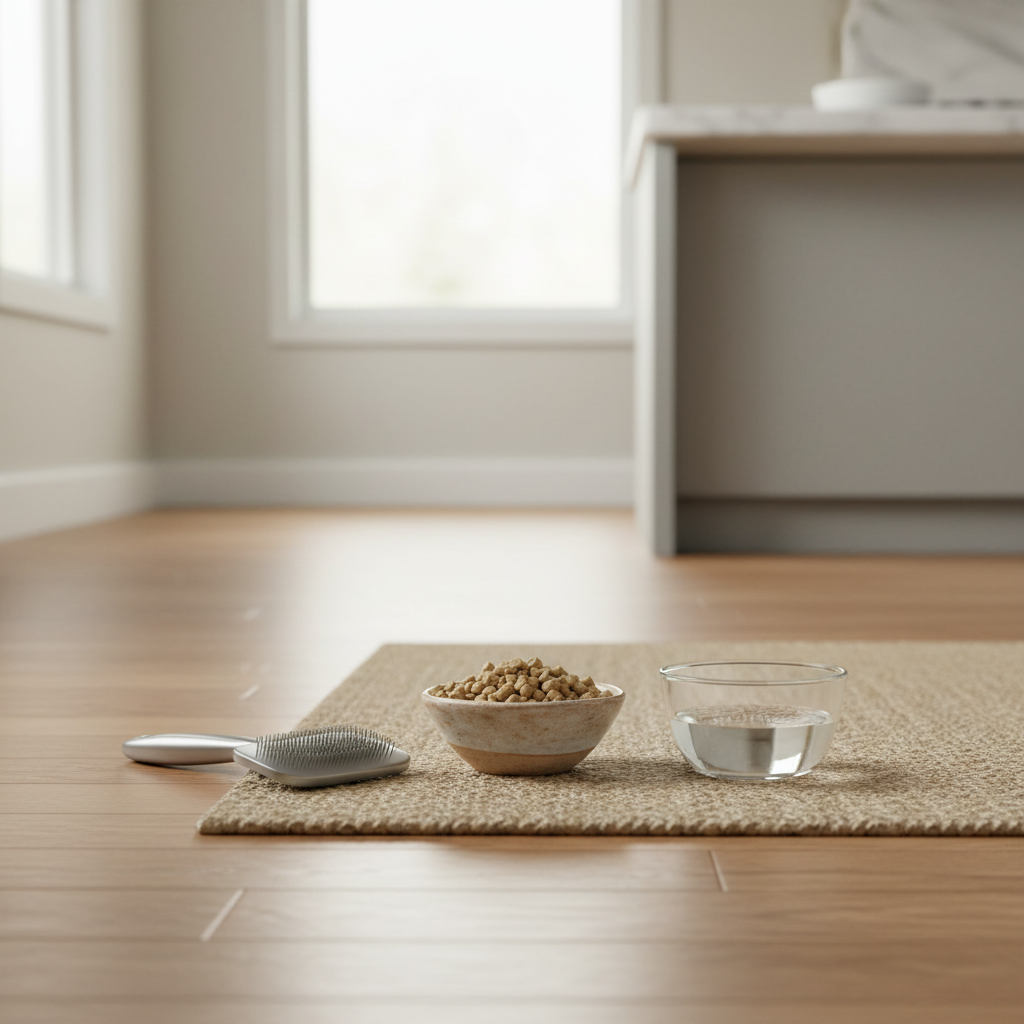
This guide breaks down what “natural” usually means on labels, how to tell whether treats are the right tool for your cat, and what to do when they’re not, with practical steps you can start this week.
Why hairballs happen (and when they’re a bigger deal)
Hairballs happen because cats swallow loose fur while grooming, and that fur has to move through the GI tract. When it doesn’t move smoothly, it can clump and come back up as the classic tubular hairball.
According to the Cornell University College of Veterinary Medicine, occasional hairballs can be normal, but frequent vomiting or signs of illness deserve veterinary attention, because vomiting can have many causes that look similar at first glance.
- Heavy grooming or shedding: long-haired cats, seasonal coat changes, multi-cat households.
- Low hydration: dry stool and slower transit can make fur harder to pass.
- Low “motility” days: stress, inactivity, diet changes, or some medications can affect gut movement.
- Skin irritation: allergies, fleas, or anxiety can increase grooming, which increases swallowed hair.
One reality check: a treat can help move hair through, but it won’t solve overgrooming, dehydration, or an underlying GI issue by itself.
What “natural” hairball treats usually contain (and what it means)
“Natural” often signals certain ingredient choices, but it’s not a medical guarantee. The useful question is, what mechanism does the treat support: hair movement, lubrication, stool quality, or reduced shedding.
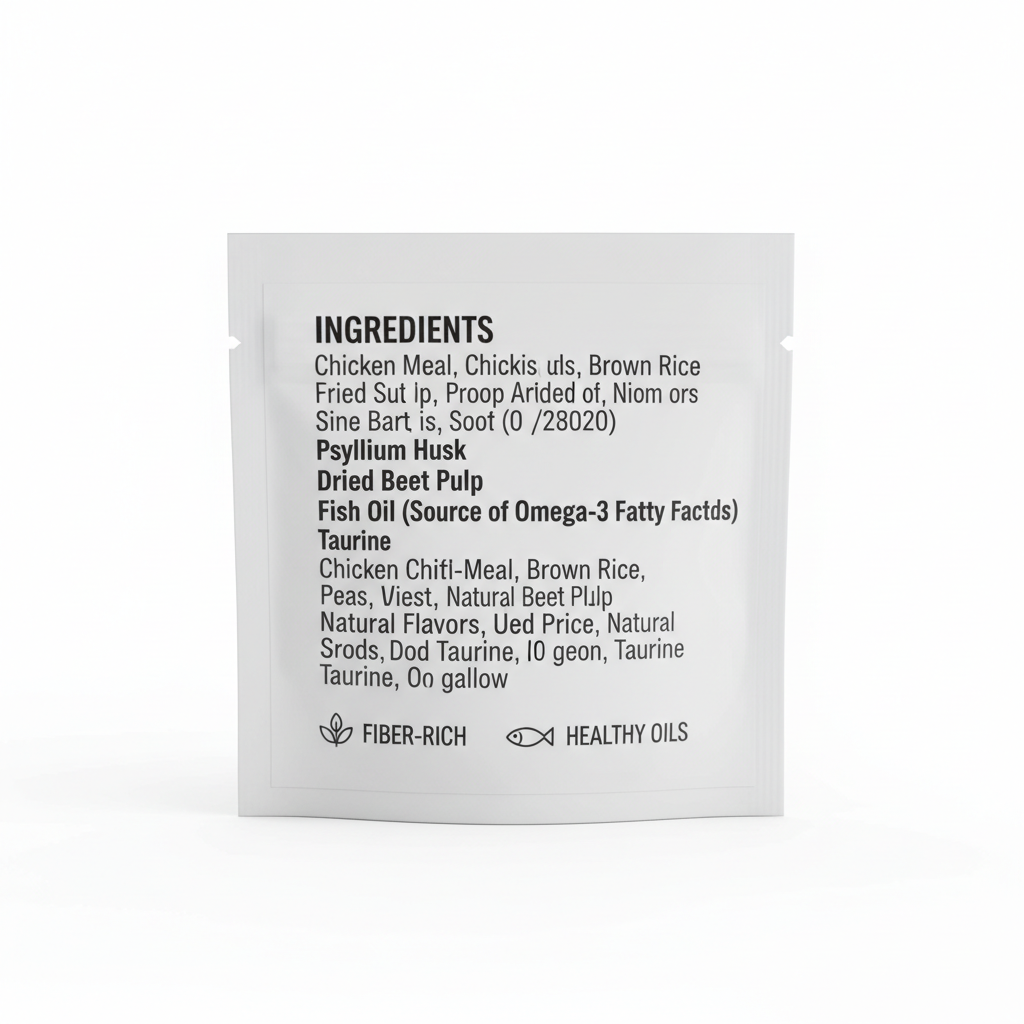
Common “natural-ish” functional ingredients
- Fiber (psyllium, beet pulp, cellulose, pumpkin): helps bind and move fur along with stool. Too much fiber too fast can cause gas or softer stool.
- Oils (fish oil, salmon oil, plant oils): may support coat quality, sometimes helps “slick” passage, but also adds calories.
- Prebiotics (inulin, chicory root): can support gut bacteria, sometimes helps stool consistency, though sensitive cats may get gassy.
- Moisture-friendly bases: some soft chews are easier to eat, but they’re still not a hydration replacement.
Ingredients to pause on
- Sugar-heavy binders: not ideal for frequent daily use, especially for weight-prone cats.
- Strong fragrances or lots of “natural flavor”: can be fine, but sometimes indicates palatability is doing more work than function.
- Multiple novel botanicals: “more herbs” doesn’t automatically mean better, and sensitive cats may react.
Quick self-check: are treats the right next step?
Before you buy a bag, it helps to sort your cat into a simple bucket. This avoids wasting money on the wrong lever.
- Likely a good fit: occasional hairballs (for example, a couple times a month), normal appetite, normal energy, normal stool, normal hydration habits.
- Try grooming + water first: heavy shedding, hairballs cluster during seasonal coat changes, otherwise healthy.
- Proceed carefully: history of constipation, IBD sensitivity, frequent gas, or you’re already feeding a high-fiber diet.
- Skip treats and call your vet: repeated vomiting, lethargy, weight loss, no stool, straining, bloated belly, or your cat can’t keep food down.
If you’re dealing with frequent episodes, the issue may be “vomiting” rather than “hairballs”, and the plan changes.
How to choose cat hairball remedy treats that are natural and actually practical
Cat hairball remedy treats natural shopping goes smoother when you prioritize a few label signals and ignore the marketing poetry.
| What to look for | Why it matters | Good sign on label |
|---|---|---|
| Clear functional mechanism | Helps you predict whether it’ll work for your cat | Mentions fiber type (psyllium, beet pulp) or oil type |
| Calorie transparency | Treats add up fast, weight gain can worsen grooming and mobility | Calories per treat listed, feeding guide is specific |
| Simple formula | Fewer variables when troubleshooting stool changes | Shorter ingredient list, fewer “extras” |
| Made for cats (not “all pets”) | Cat nutrition needs differ, especially protein and certain additives | Explicit cat hairball support positioning |
| Fits your cat’s diet | Fiber + fiber can backfire, same with oils + rich food | Guidance for daily vs seasonal use |
Key point: if your cat already eats a veterinary hairball diet or high-fiber food, a high-fiber treat may not be the missing piece, sometimes hydration and grooming do more.
How to use hairball treats without upsetting your cat’s stomach
The most common failure mode isn’t that the product “does nothing”, it’s that people jump to a full dose on day one, then deal with soft stool or refusal to eat.
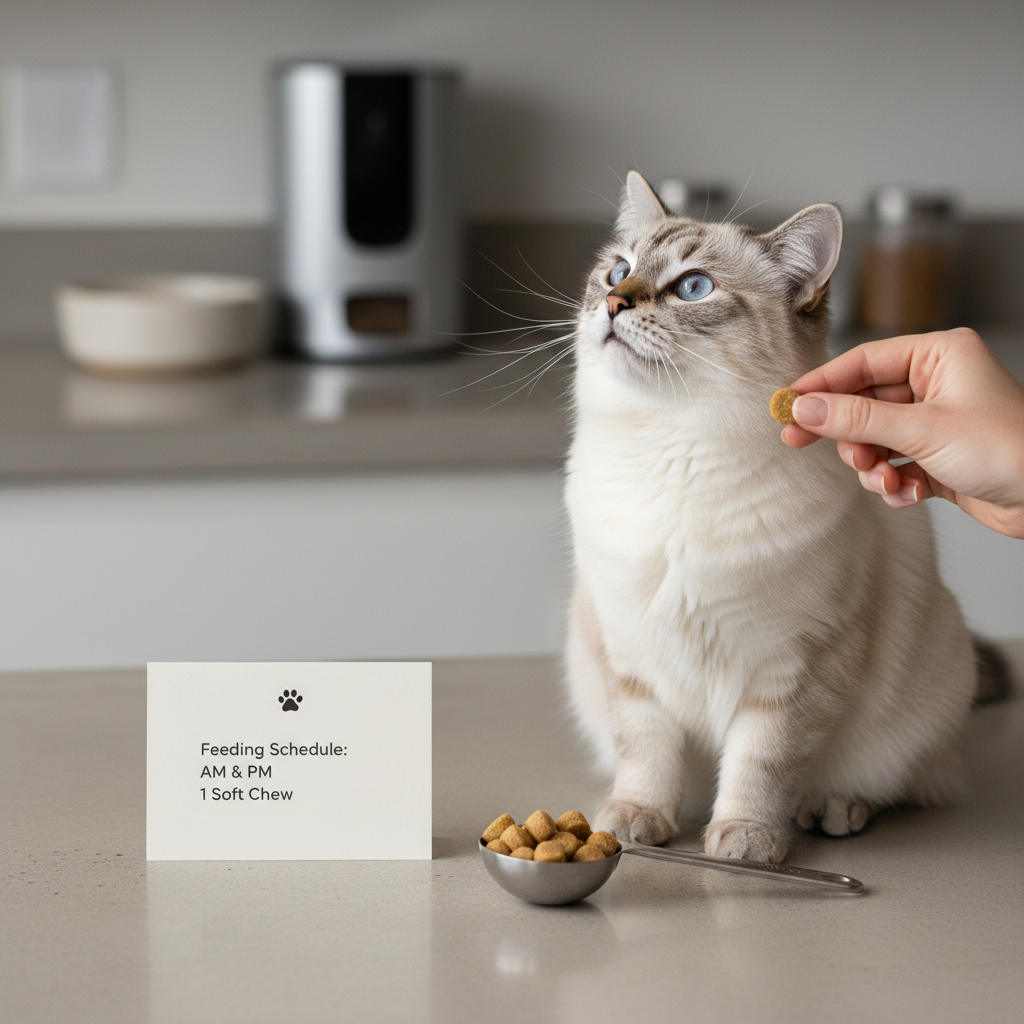
A simple 7–10 day ramp plan
- Days 1–3: start with a half serving (or the smallest recommended amount) and watch stool, appetite, and energy.
- Days 4–7: move toward the label amount if your cat stays normal.
- After day 7: adjust to your real goal, daily for heavy shedders, or a few times per week for maintenance, depending on how your cat responds.
Pair treats with habits that make them work better
- Brush strategically: 3–5 minutes, a few times per week, more during shedding. Less loose fur in means less fur to manage later.
- Increase water without drama: fountains, extra bowls, or more wet food, your cat picks what they tolerate.
- Keep litter box observations: hairball management is partly stool management, so you want to know what changed.
If you’re using cat hairball remedy treats natural as a “patch” while grooming stays the same, you might see only mild improvement, that’s normal.
Common mistakes (and what to do instead)
- Using treats to replace brushing: treats help the exit, brushing reduces the input, most cats need both during shedding.
- Stacking multiple hairball products: hairball kibble + fiber treats + paste can push fiber or fat too high, leading to diarrhea or refusal.
- Ignoring vomiting patterns: hairball coughing is easy to misread, if vomit happens without fur, the problem may not be hairballs.
- Chasing “natural” over “tolerated”: the best treat is the one your cat can eat consistently without GI blowback.
According to the American Veterinary Medical Association (AVMA), vomiting in pets can signal many conditions, so persistent vomiting should be assessed by a veterinarian rather than managed only with OTC products.
When to stop experimenting and ask a professional
Hairballs become a vet conversation when the risk shifts from “messy but manageable” to “possible obstruction or chronic illness.” Obstruction can be serious, and cats hide discomfort well.
- Urgent signs: repeated unproductive retching, no appetite, no stool, sudden lethargy, painful belly, or rapid decline.
- Within a week: hairballs or vomiting happens often, weight loss, dehydration, chronic constipation, or your cat is older and changes feel “new.”
- Diet complexity: diabetes, kidney disease, food allergies, or prescription diets, treat choices should run past your clinic.
Bring a photo of the vomit and a short log of dates and foods, it sounds unglamorous, but it speeds up the conversation.
Practical takeaways you can use today
- Choose function over buzzwords: pick a treat with a clear fiber or oil strategy that fits your cat’s current diet.
- Go slow: ramp up over a week, track stool, and don’t stack multiple hairball aids at the same time.
- Support the basics: brushing and hydration usually do more than people expect, especially for long-haired cats.
If your goal is fewer hairballs without upsetting your cat’s stomach, a modest routine beats a “strong” product almost every time.
Conclusion: a natural treat can help, but the routine matters more
Cat hairball remedy treats natural can be a smart tool when hairballs are occasional and your cat stays otherwise well, especially when you choose a simple formula, introduce it slowly, and pair it with brushing and hydration.
If you’re seeing frequent vomiting, appetite changes, or constipation signs, don’t keep swapping products in frustration, that’s usually the moment to involve your veterinarian and rule out something bigger.
Your next step: pick one treat strategy, run a 10-day trial with notes, and tighten brushing and water habits at the same time.
FAQ
- What is the fastest way to help a cat with hairballs at home?
For many cats, brushing plus better hydration makes the quickest difference, because it reduces swallowed fur and helps stool move. If symptoms look severe or your cat keeps retching without producing anything, contact a vet. - Do natural hairball treats actually work?
They can, especially fiber-forward options, but results depend on why your cat is getting hairballs. Heavy shedders often improve, while cats vomiting for other reasons may not. - How often should I give cat hairball remedy treats natural?
It varies by product and cat. Many people use daily during peak shedding and then reduce to a few times per week, but it’s safer to follow the label and adjust based on stool and weight. - Are pumpkin-based hairball treats enough on their own?
Pumpkin can help stool quality for some cats, but it’s not a complete solution if grooming is intense or water intake stays low. Think of it as one lever, not the whole plan. - My cat is gagging but no hairball comes up, is that still hairballs?
Sometimes, but not always. Cats can cough or retch from asthma, nausea, or throat irritation, so repeated episodes without fur merit a vet check rather than assuming hairballs. - Can hairball treats cause diarrhea or constipation?
Yes, especially when fiber increases suddenly or when multiple hairball products stack together. Reduce the dose, slow the ramp, and speak with a professional if symptoms persist. - Are hairball gels safer than treats?
Neither is universally “safer,” they’re just different formats. Gels may add lubrication, treats may add fiber, your cat’s health conditions and tolerance matter more than the format.
If you’re trying to reduce messes without turning your feeding routine into a science project, consider choosing one simple, cat-specific hairball treat and pairing it with a brushing schedule you can actually keep, if your cat has medical conditions or symptoms escalate, a quick vet call can save a lot of guessing.