
Best pet odour eliminators aren’t the ones that “smell the strongest”, they’re the ones that actually break down the gunk causing the odor, then stay safe around pets, fabrics, and your home’s surfaces.
If your place keeps getting that “pet smell” even after you clean, you’re not alone. Most households end up masking odor with fragrance sprays, and it works for an hour, then the funk crawls right back because the source never changed.
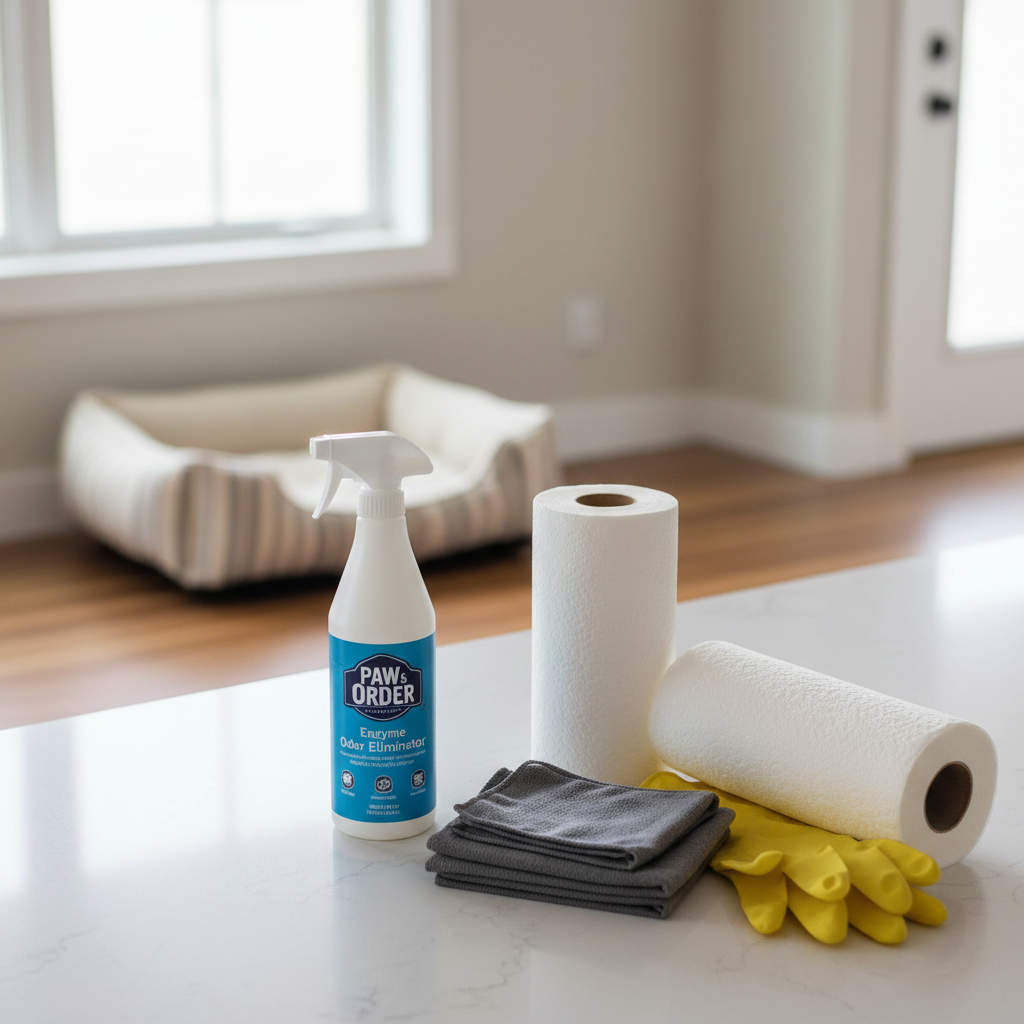
This guide focuses on what tends to work in real homes, how to match a product to the mess, and what to avoid if you live with cats, dogs, kids, or sensitive noses. You’ll also get a quick comparison table and a practical, room-by-room routine.
What “pet odor” usually is (and why it sticks around)
Most recurring pet smells come from a few repeat offenders: urine (fresh or old), vomit residue, anal gland discharge, wet-dog oils, and dander embedded in soft materials. The annoying part is that you can’t always see it.
Urine is the classic trap: the water evaporates, but the waste compounds and salts stay in carpet padding, grout, or subfloor. Add humidity, and it reactivates. That’s why you can walk in and smell it more on rainy days.
According to the ASPCA, cats may avoid a litter box when it’s not kept clean enough for their preference, and that can lead to repeat accidents. Translation: odor control is part product choice, part habit and setup.
How pet odour eliminators work: enzymes vs oxidizers vs “cover-ups”
When you shop for the best pet odour eliminators, you’re really choosing a mechanism. The label might not spell it out, but the chemistry matters.
- Enzymatic cleaners: use enzymes and bacteria to digest organic mess (urine, feces, vomit). Often the go-to for carpets, upholstery, pet beds.
- Oxidizers (like hydrogen peroxide-based formulas): change odor molecules through oxidation. Helpful on hard surfaces and some laundry situations, but compatibility varies by fabric/dye.
- Absorbers (activated charcoal, baking soda, mineral gels): don’t “clean” a stain, but can reduce ambient odor in a room, closet, or near litter boxes.
- Fragrance-only sprays: cover smell short-term. Fine for guests in a pinch, but they don’t solve source odor.
Key point: if you’re dealing with a spot where odor returns after drying, you almost always need an enzyme or an oxidizer plus proper saturation, not a deodorizing mist.
Quick comparison table: which type fits your situation
There isn’t one “universal” winner. The best choice depends on surface, age of the stain, and whether you need low-fragrance or fast turnaround.
| Problem | Most practical option | Why it works | Watch-outs |
|---|---|---|---|
| Fresh urine on carpet | Enzymatic cleaner (saturate) | Breaks down organics in fibers/padding | Needs dwell time; don’t rush drying |
| Old urine odor that “blooms” in humidity | Enzyme + extraction (or professional) | Old salts need deep reach and removal | May require multiple treatments |
| Litter box area smell | Hard-surface oxidizer + absorber nearby | Handles residue; absorber reduces ambient odor | Avoid harsh fumes in small rooms |
| Pet bed and blankets | Laundry additive + thorough drying | Heat + wash chemistry removes oils | Check fabric care labels |
| “Wet dog” smell in living room | Fabric-safe deodorizer + HVAC filter refresh | Targets oils in fabrics and air circulation | Don’t spray near pet faces |
A quick self-check: what kind of odor problem do you have?
Before buying anything, take 2 minutes to diagnose. It saves money, and it keeps you from rage-spraying perfume into a problem that needs deep cleaning.
- You smell it only right after an accident: usually a surface-level cleanup issue, enzyme is often enough.
- You smell it days later, especially when it’s humid: likely penetration into padding, grout, or subfloor.
- You can’t find a spot, but the whole room smells “doggy”: look at soft goods (rugs, couches, curtains) and HVAC filters.
- The smell is strongest near the litter box: check box size, litter depth, and what’s under/around the box.
- There’s a sharp ammonia vibe: common with aged urine, you may need repeated enzyme applications or a pro extraction.
Small but useful trick: a UV flashlight can help locate dried urine on some surfaces, but results vary by material and cleaner residue, so treat it as a clue, not a verdict.
How to use pet odour eliminators so they actually work
This is where most people get disappointed. The product can be fine, but the method is off by one step.
For carpet and upholstery (urine, vomit)
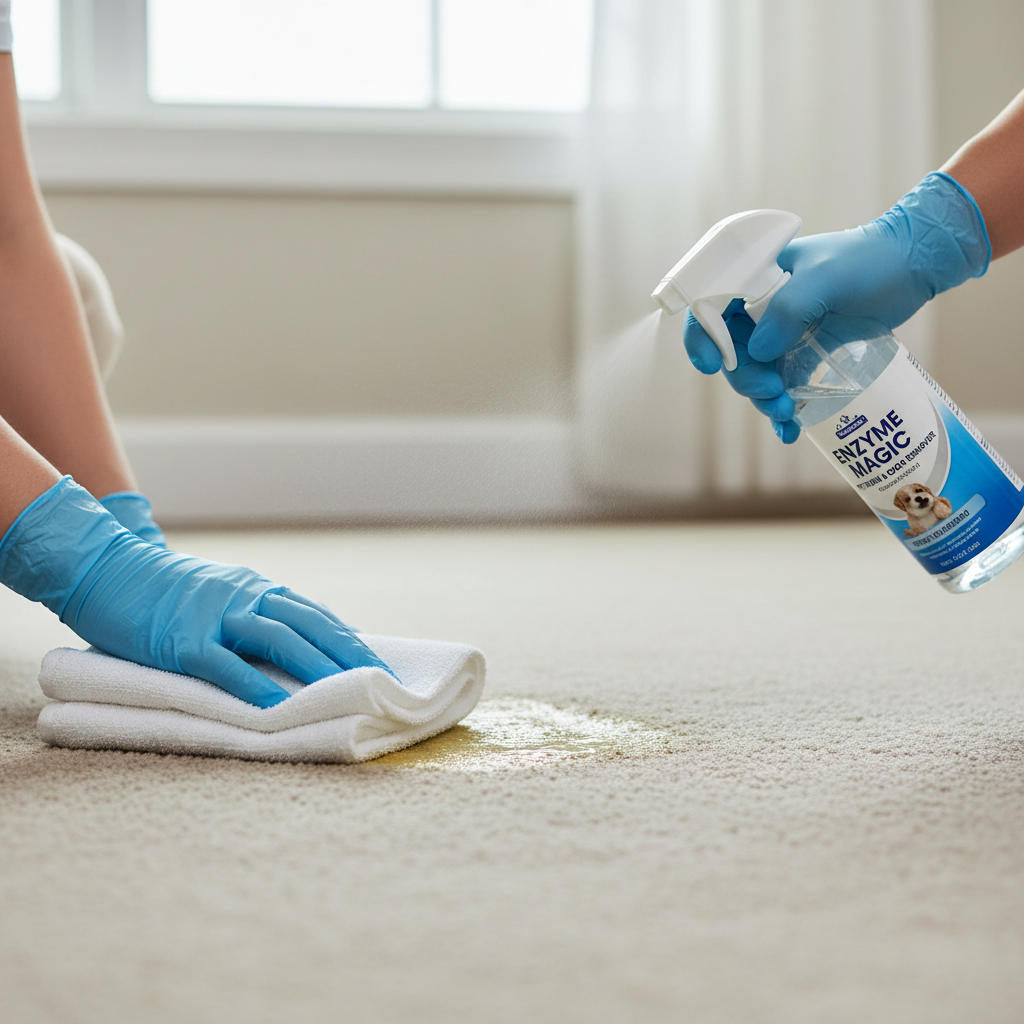
- Blot, don’t scrub. Scrubbing pushes residue deeper and frays fibers.
- Saturate to the depth of the mess. If urine hit padding, a light mist won’t reach it.
- Respect dwell time. Many enzyme formulas need time to digest organics.
- Extract moisture. Use towels or a wet vac (if the product allows). Leaving it soaked can create secondary smells.
- Dry fully. Fans help. Damp carpet can smell like “cleaner” plus mildew, which is not the win you wanted.
For sealed hard floors, tile, and litter box stations
- Remove visible soil first, then apply odor treatment.
- Use a cleaner compatible with the surface finish, especially on hardwood and natural stone.
- Rinse or wipe as directed, leftover residue can attract dirt and restart odor.
For air and whole-room odor
- Pair source control with air cleanup. Absorbers and air purifiers help, but they can’t “undo” a stained carpet pad.
- Replace or upgrade HVAC filters, and wash throws, covers, and pet bedding on a schedule you can keep.
Common mistakes that keep odor coming back
These are the patterns behind most “I tried everything” stories.
- Using bleach or ammonia on urine. Beyond surface damage, mixing household chemicals can create dangerous fumes. If you’re unsure, avoid combining products and follow label directions.
- Not using enough product on soft surfaces. A light spray makes the room smell nice, but it may never reach the source.
- Switching products too fast. Enzymes often take time. Reapplying too early can dilute effectiveness.
- Ignoring the “odor reservoir.” Rugs, couch cushions, curtains, and even a dog’s collar can hold oils.
- Assuming the pet is the whole problem. Sometimes it’s underlayment, old subfloor stains, or a previous owner’s mess.
Safety notes for pets, kids, and sensitive households
Most mainstream odor products are designed for home use, but “safe” depends on correct use. If your pet has respiratory issues, skin conditions, or you’re cleaning in a tight space, use extra caution.
- Ventilation matters. Open windows or run fans, especially with oxidizers or scented formulas.
- Keep pets away until dry. Many labels recommend this; it also prevents paw tracking.
- Never mix cleaners. If you’re switching products, rinse and let surfaces dry in between.
- Test fabrics. Spot-test on an inconspicuous area for colorfastness.
According to the CDC, mixing bleach with ammonia or acids can create toxic gases. If you’re reaching for stronger chemistry out of frustration, pause and reset your plan instead.
When DIY isn’t enough (and what to do next)
There’s a point where the best pet odour eliminators still won’t win, not because they’re bad, but because the odor lives somewhere you can’t reach with a spray bottle.
- Repeated accidents in the same spot: padding or subfloor contamination often needs professional extraction or replacement.
- Multi-pet homes with chronic odor: a deep clean plus routine changes usually beats constant spot treatment.
- Cat urine that never fully clears: you may need a targeted remediation plan; consider talking with a cleaning professional and your veterinarian to address both the odor and the behavior.
If accidents are increasing, a vet visit can be a smart move since urinary issues and stress can contribute. That’s not a diagnosis, just a common fork in the road.
Conclusion: a simple plan that works in most homes
If you want a realistic path to a fresher home, pick a true cleaner (enzyme or oxidizer) for the source, add an absorber for the room, then tighten the routine around laundry, litter, and ventilation. That combo tends to beat chasing “the strongest scent.”
Action steps: choose one product type that matches your main surface, treat one problem area correctly with proper dwell time, then reassess in 48 hours before you buy three more bottles.
Key takeaways
- Enzymes are usually the first choice for urine on soft surfaces.
- Oxidizers can help on hard surfaces and stubborn residues, but compatibility matters.
- Absorbers support the air, they don’t replace cleaning.
- Method beats hype: saturation + dwell time + full drying.
FAQ
What is the best pet odour eliminator for old urine in carpet?
Old urine usually sits in the pad, so an enzymatic cleaner applied with enough saturation and dwell time tends to work better than a light deodorizer. If odor keeps returning, professional extraction may be more efficient than repeated surface treatments.
Do enzyme cleaners work on cat urine smell?
They often help because cat urine is still an organic mess, but results depend on how deep it soaked and how quickly you treated it. For repeat spots, you may need multiple applications and better litter box setup to prevent new accidents.
Are air fresheners considered pet odour eliminators?
Most air fresheners mainly cover odors. They can be useful for quick improvement, but they don’t remove residue in carpet, fabric, or grout, which is usually where the odor is anchored.
Can I use hydrogen peroxide to remove pet odor?
Hydrogen peroxide-based products can reduce odors through oxidation, but they can discolor some fabrics and finishes. Spot-test first and follow label directions; if you’re uncertain, choose a pet-labeled product and avoid mixing with other cleaners.
Why does my house smell like dog even after cleaning?
Often it’s “odor reservoirs” like rugs, upholstery, dog beds, blankets, and HVAC filters. Washing soft goods, cleaning floors with a compatible cleaner, and improving airflow usually makes a bigger difference than spraying a room deodorizer.
How do I prevent litter box odor without harsh chemicals?
Frequent scooping, a box that fits your cat well, and an absorber (like charcoal) near the area usually does more than strong fragrance products. Cleaning the box and the floor under it with a mild, compatible cleaner helps keep odors from embedding.
When should I call a professional for pet odor removal?
If you’ve treated the same area multiple times correctly and the smell returns, or you suspect subfloor contamination, a professional can identify and reach layers you can’t access. It’s also a good option before moving out or listing a home.
If you’re trying to choose between enzyme sprays, oxidizing formulas, and absorbents, it can help to start with your surface and the “age” of the odor, then build a small kit you’ll actually keep using rather than chasing a new bottle every week.