
Best pet nail clippers for dogs come down to one thing in real life: can you get a clean cut without squeezing, cracking, or turning nail trim into a weekly wrestling match.
If you have ever clipped too close, heard that awful “crunch,” or watched your dog pull away the moment the tool appears, you already know why picking the right clipper matters, it is comfort, safety, and your confidence in one.
This guide walks you through what actually changes results at home, type, blade, handle, safety guard, and size match, plus a quick comparison table and a simple checklist so you can choose without overthinking.
What to look for in dog nail clippers (the stuff that actually matters)
Marketing tends to shout about “sharp blades,” but most decent tools claim that, what separates a smooth trim from a stressful one is usually fit and control.
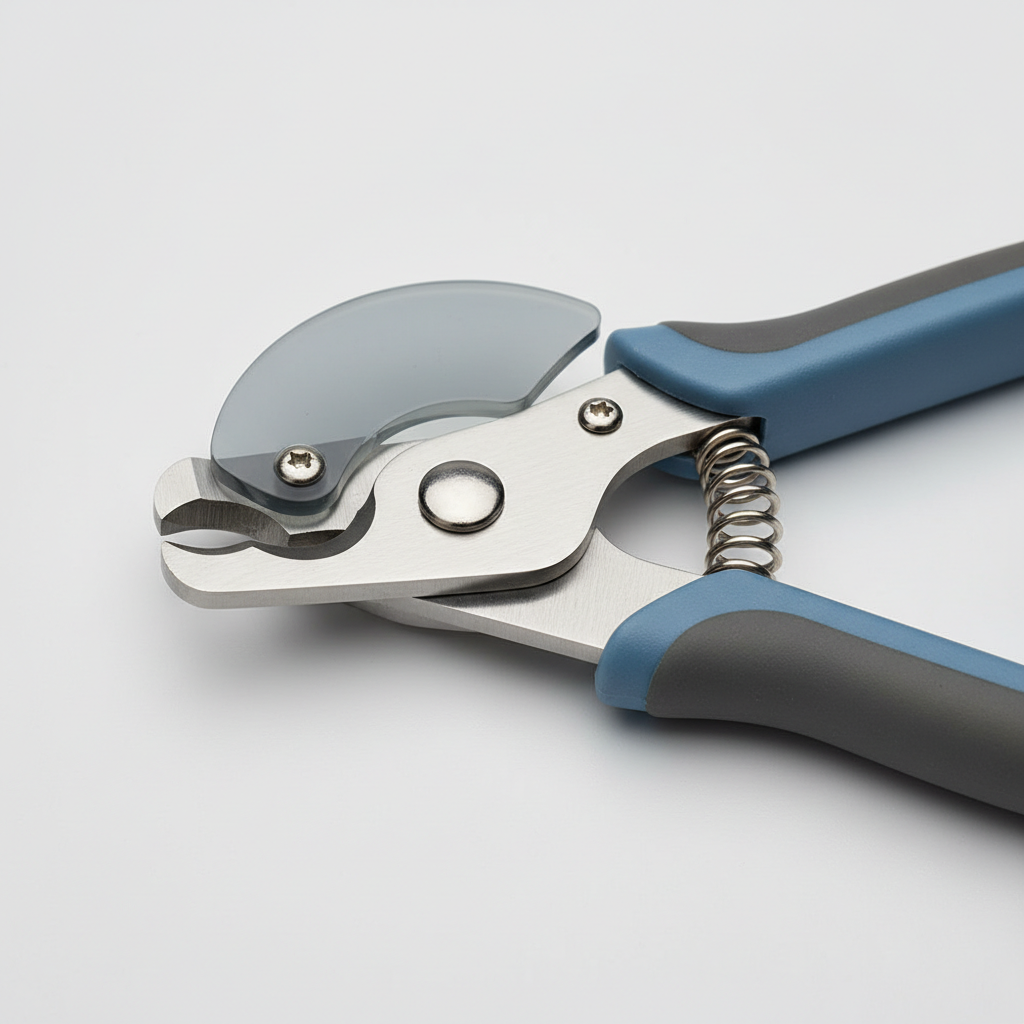
- Cutting action: scissor-style gives leverage and control, guillotine-style can feel fast but may crush thick nails if the blade dulls, grinders trade speed for gradual shaping.
- Blade alignment: blades that meet cleanly reduce splitting, misalignment makes nails fray, especially on brittle nails.
- Handle grip: rubberized, non-slip handles matter more than people admit, sweaty hands plus a wiggly dog is a bad combo.
- Safety stop/guard: helpful for beginners, but on some models it blocks your view, which can backfire on dark nails.
- Size match: small clippers on large nails can “pinch” and crack, oversized clippers on tiny nails remove finesse.
- Lock and storage: a secure lock is not just convenience, it reduces accidental blade damage in drawers.
According to the American Kennel Club (AKC), regular nail trims help prevent discomfort and mobility issues, and nails that click on the floor are often a sign they are too long.
Quick comparison table: pick a clipper type by dog size and nail style
Different tools can all work, but they do not work equally well for every nail thickness, temperament, or owner skill level.
| Tool type | Best for | Why people like it | Watch-outs |
|---|---|---|---|
| Scissor-style (aka plier-style) | Most dogs, especially medium to large | Strong leverage, clean cuts, easy to control | Cheap hinges loosen, dull blades “crunch” |
| Guillotine-style | Small dogs, thinner nails | Quick, compact, easy angle for some hands | Thick nails may crush, blade replacement matters |
| Nail grinder | Dark nails, anxious dogs, gradual trimming | Less risk of cutting quick if used slowly | Noise/heat, needs conditioning, dust management |
| Scissor + file (combo approach) | Homes that want “salon smooth” edges | Fast length reduction, then smooth finish | Two-step routine takes patience |
Common reasons nail trimming goes wrong (and how better clippers help)
If trims keep going sideways, it is rarely because you “just need to be braver,” usually something practical is working against you.
- Dull blades cause crushing, which can splinter nails and make the dog more reactive next time.
- Wrong size tool forces you to squeeze harder, control drops, quick cuts become more likely.
- Slippery handles lead to micro-slips, those tiny shifts are how you take off too much by accident.
- Poor visibility on dark nails makes it hard to judge, a bulky guard can block the view.
- Technique mismatch like trying to take big chunks off at once, even with the best pet nail clippers for dogs, that is where most accidents happen.
When you switch to a sharper, better-fitting tool, you often notice the dog tolerates it more, not because the tool is magic, but because the cut is quicker and the pressure feels less weird.
A fast self-check: what kind of clipper should you buy?
Use this as a quick sorting hat, it saves time and prevents buying a tool that looks nice but fights your actual situation.
- If your dog has thick, hard nails: lean toward sturdy scissor-style clippers with strong pivot, skip tiny guillotine cutters.
- If nails are black and you worry about the quick: consider a grinder or a clipper with great visibility, plan on trimming in small increments.
- If your dog panics at noise: avoid grinders at first, or plan a slow desensitization routine.
- If you have small hands or weak grip: look for ergonomic handles and smoother spring action, “heavy duty” can feel harder to squeeze.
- If your dog hates paw handling: prioritize speed and control, scissor-style plus a calm, short routine often beats dragging it out.
One more honest filter, if you will only trim once a month, pick something forgiving and comfortable, the “pro” option that hurts your hand will end up unused.
How to use dog nail clippers safely at home (simple, repeatable steps)
Best pet nail clippers for dogs still need a careful routine, especially when you are building trust or working with dark nails.
Step-by-step trimming that reduces quick cuts
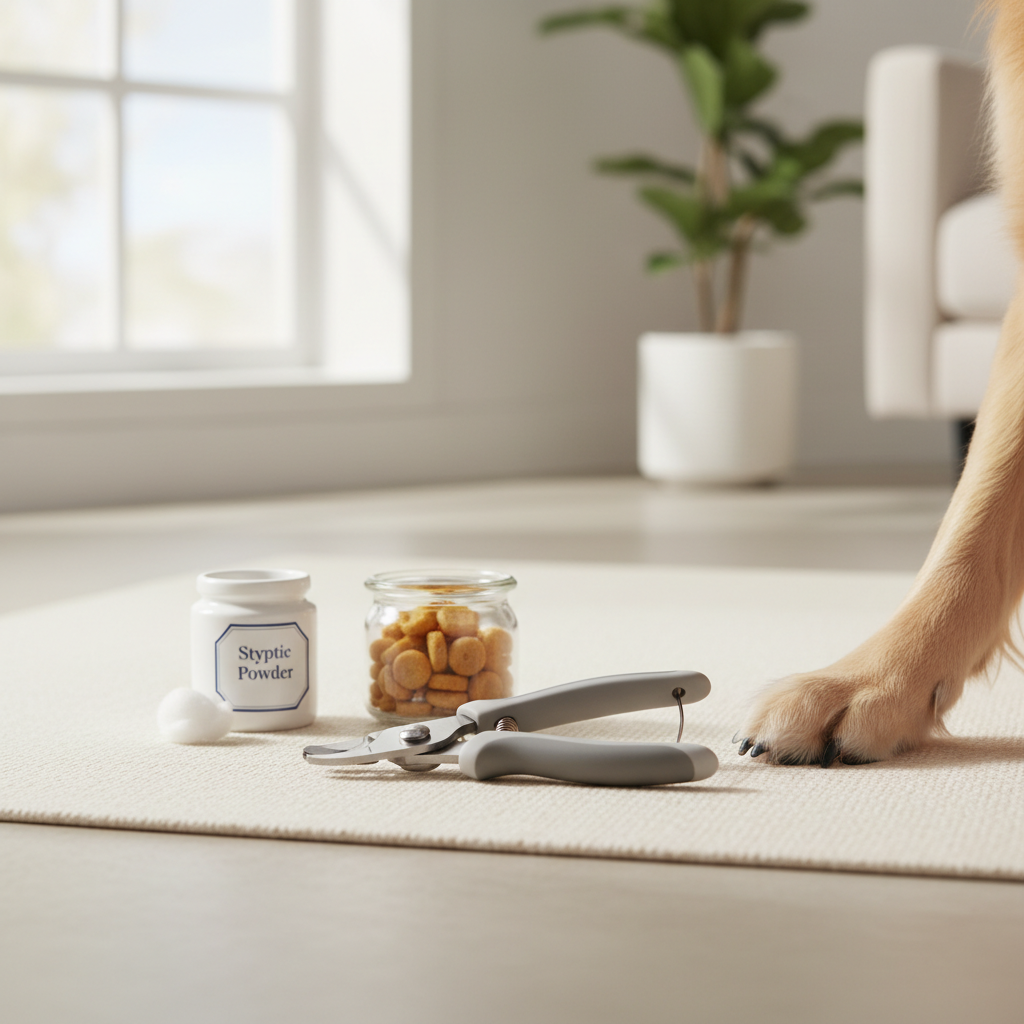
- Set up first: bright light, towel or non-slip mat, treats, and styptic powder nearby, you do not want to hunt for supplies mid-trim.
- Find a stable hold: support the toe, avoid twisting joints, a gentle but firm hold beats squeezing harder.
- Trim small amounts: take thin slices, especially if you are unsure where the quick sits.
- Angle matters: cut at a slight angle following the nail’s natural curve, not straight across into the thickest part.
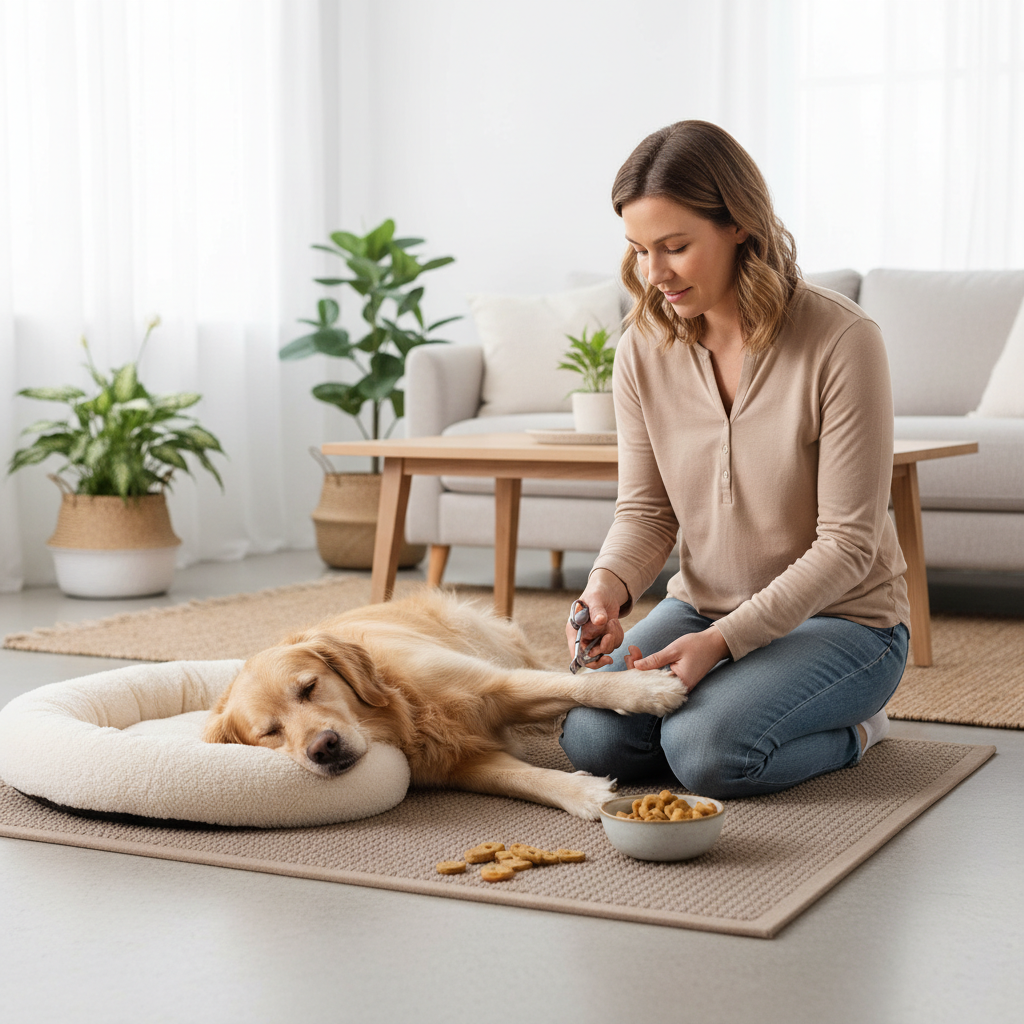
- Reward frequently: one nail, treat, small pause, the rhythm keeps things calmer than “powering through.”
If you hit the quick
It happens, even to careful owners. Apply styptic powder with gentle pressure and keep the dog calm. If bleeding does not slow or your dog seems unusually painful, it is smart to call a veterinarian for guidance.
According to the American Veterinary Medical Association (AVMA), regular grooming is part of preventive pet care, and when you are unsure or your dog shows distress, a veterinary team can help you choose safer handling and trimming options.
Mistakes to avoid when shopping for the “best” nail clippers
A lot of frustration comes from buying based on one feature and ignoring the rest, then assuming you are the problem.
- Over-indexing on a safety guard: guards can help, but if it blocks your view, your risk can go up on black nails.
- Buying the cheapest blade steel: dulling fast means more pressure and more nail cracking, you may replace it sooner anyway.
- Ignoring replaceable parts: some guillotine cutters need blade swaps to stay safe, if replacements are hard to find, it is a dead end.
- Assuming “large” means better: too-big jaws can swallow small nails, you lose precision.
- Skipping comfort testing: if the spring is too stiff or handles bite your palm, you will rush, and rushing causes mistakes.
If you are comparing options, put “control in my hand” above “extra features,” most homes do better with simple tools that cut cleanly every time.
When to ask a groomer or vet instead of forcing it
Some situations are not DIY-friendly, and pushing through can teach your dog that nail trims equal panic.
- Severe fear: shaking, snapping, or trying to escape, especially if it escalates each session.
- Very overgrown nails: long quicks often require gradual shortening over weeks, a groomer or vet can guide the plan.
- Medical issues: arthritis, paw injuries, bleeding disorders, or anything that makes handling painful, ask a professional.
- Repeated nail splitting: could be technique, could be nail health, either way a pro can help you troubleshoot.
A good middle ground is booking one appointment, watching the handling and angles, then matching that routine at home with your own tools.
Key takeaways + a practical 2026 buying conclusion
- Best pet nail clippers for dogs are the ones that match nail thickness and your hand strength, not the ones with the most gadgets.
- Scissor-style clippers cover the widest range of dogs, guillotine cutters make more sense for small, thin nails, grinders help when you need slow, careful control.
- If trims are stressful, change the routine as much as the tool, bright light, tiny cuts, and frequent rewards often beat “getting it over with.”
My simple recommendation for most U.S. households in 2026, start with a well-built scissor-style clipper in the right size, add a basic file or grinder later if you want smoother edges. If your dog has black nails or a strong fear response, plan on smaller trims and consider professional help for a reset.
If you want one next action, check your dog’s nail thickness and your grip comfort today, then choose the tool type from the table and do a two-nail practice session, short wins build momentum.
FAQ
- What are the best pet nail clippers for dogs with thick nails?
Usually a heavy-duty scissor-style clipper with solid hinge action and sharp, well-aligned blades, thick nails need leverage more than speed. - Is a nail grinder safer than clippers for beginners?
It can be, because you remove small amounts gradually, but some dogs dislike the sound or vibration, so “safer” depends on tolerance and technique. - How often should I trim my dog’s nails?
Many dogs do well every 2–4 weeks, but it varies by activity level and flooring, if nails click on hard floors, they are often overdue. - How do I trim black dog nails without cutting the quick?
Use bright light, take very small slices, and look at the cut surface, when you see a dark center or a moist-looking area, stop and smooth with a file. - Why do my dog’s nails split after trimming?
Common causes include dull blades, taking off too much at once, or brittle nails, switching tools and trimming smaller amounts often helps, but persistent splitting may deserve a vet check. - Should I use a safety guard?
It helps some beginners, especially on clear nails, but if it blocks visibility or forces an awkward angle, you may do better without it and trim smaller increments. - What if my dog won’t let me touch their paws?
Start outside of trimming, brief paw touches paired with treats, then hold for one second, then longer, if fear is intense, a groomer, vet, or trainer can help with a plan.
If you are trying to pick between two tools and keep second-guessing, you are not alone, if you share your dog’s weight range, nail color, and what part of trimming goes wrong, it becomes much easier to narrow down a clipper style and a routine you can actually stick with.