
Best dog food for golden retrievers usually comes down to three things that owners feel in real life: steady energy without weight creep, skin and coat staying calm, and stools that look “normal” more days than not.
Golden Retrievers are famously food-motivated, which is cute until it turns into extra pounds, itchy skin, or a dog that seems hungry all the time. Add in life stage changes, picky phases, and ingredient marketing on the bag, and it’s easy to end up guessing.
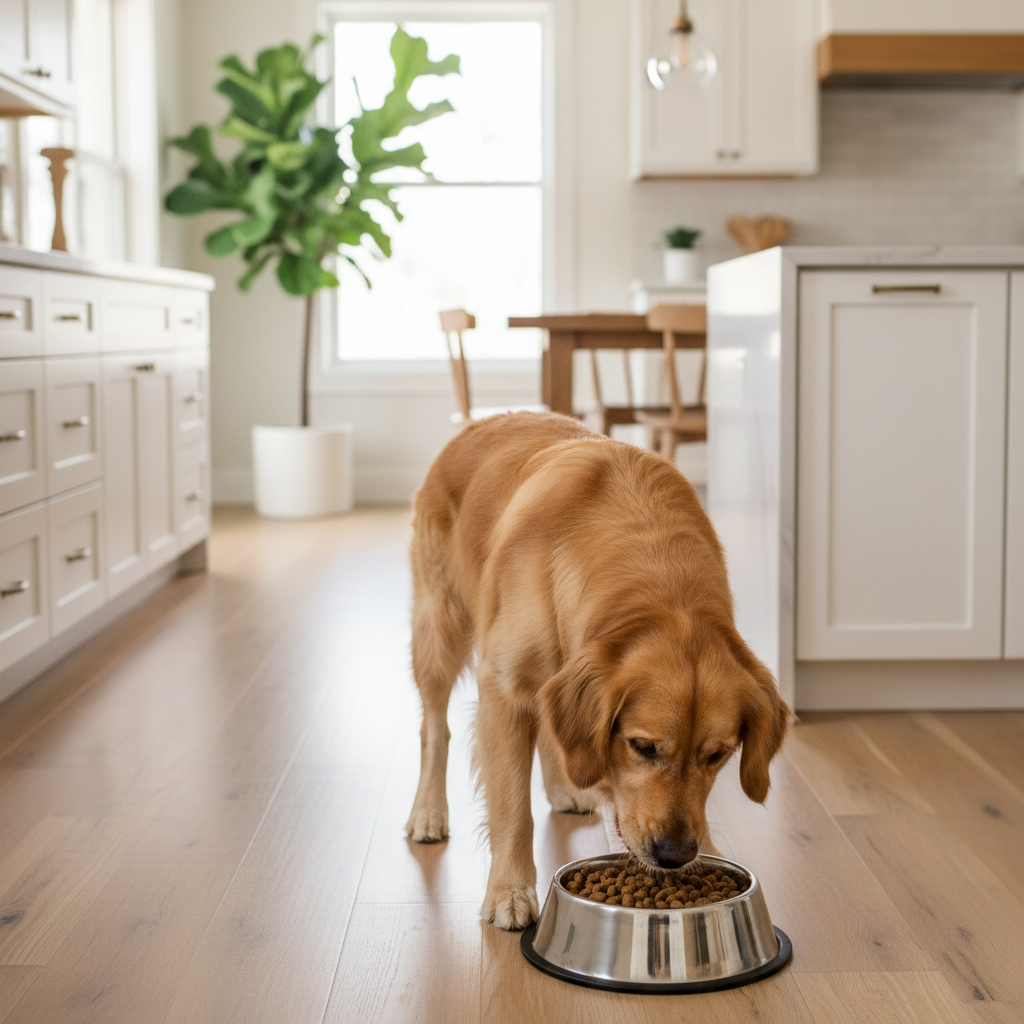
This guide focuses on what matters on the label, how to match food to your specific Golden, and how to test a new diet without upsetting their stomach. You’ll also get a quick comparison table and a practical checklist you can use at the store.
What Golden Retrievers need from food (beyond “good ingredients”)
When people search for the best dog food for golden retrievers, they’re often really asking: “How do I feed this breed without causing weight gain, itching, or GI issues?” That’s the right question.
- Calorie control that still feels filling: Goldens tend to overeat, and many do better on formulas with thoughtful fiber (like beet pulp) and adequate protein rather than “low-fat everything.”
- Skin and coat support: Many Goldens thrive with balanced omega-3s (often from fish oil). Dull coat or frequent scratching can be diet-related, though allergies and parasites also happen.
- Digestive consistency: Sensitive stomachs are common enough that it’s worth prioritizing foods with clear protein sources and a track record of tolerability.
- Joint-friendly nutrition: Goldens are active and prone to orthopedic wear. Food won’t “fix” joints, but keeping a lean body condition is one of the most practical supports.
According to the Association of American Feed Control Officials (AAFCO)... a complete and balanced dog food should meet nutrient profiles for a specific life stage, which is a better baseline than marketing claims like “premium” or “holistic.”
How to read a dog food label for Goldens (quick but real)
Labels can feel like a wall of words, so focus on a few decision points that actually change outcomes.
1) Look for the life stage statement
If your Golden is a puppy, adult, or senior, the “complete and balanced” line should match that stage. Growth formulas tend to be more calorie-dense, which can backfire for an adult Golden who already gains easily.
2) Start with the protein source, not the buzzwords
Chicken, salmon, lamb, turkey, beef can all work. The “best” choice is often the one your dog digests well. If your dog has recurrent itching or ear issues, a veterinarian may suggest a structured diet trial rather than random switching.
3) Don’t over-obsess on crude protein percent
Higher protein is not automatically better, and the “as fed” percentage can mislead when moisture differs (kibble vs wet). If you want a practical shortcut, compare foods within the same format.
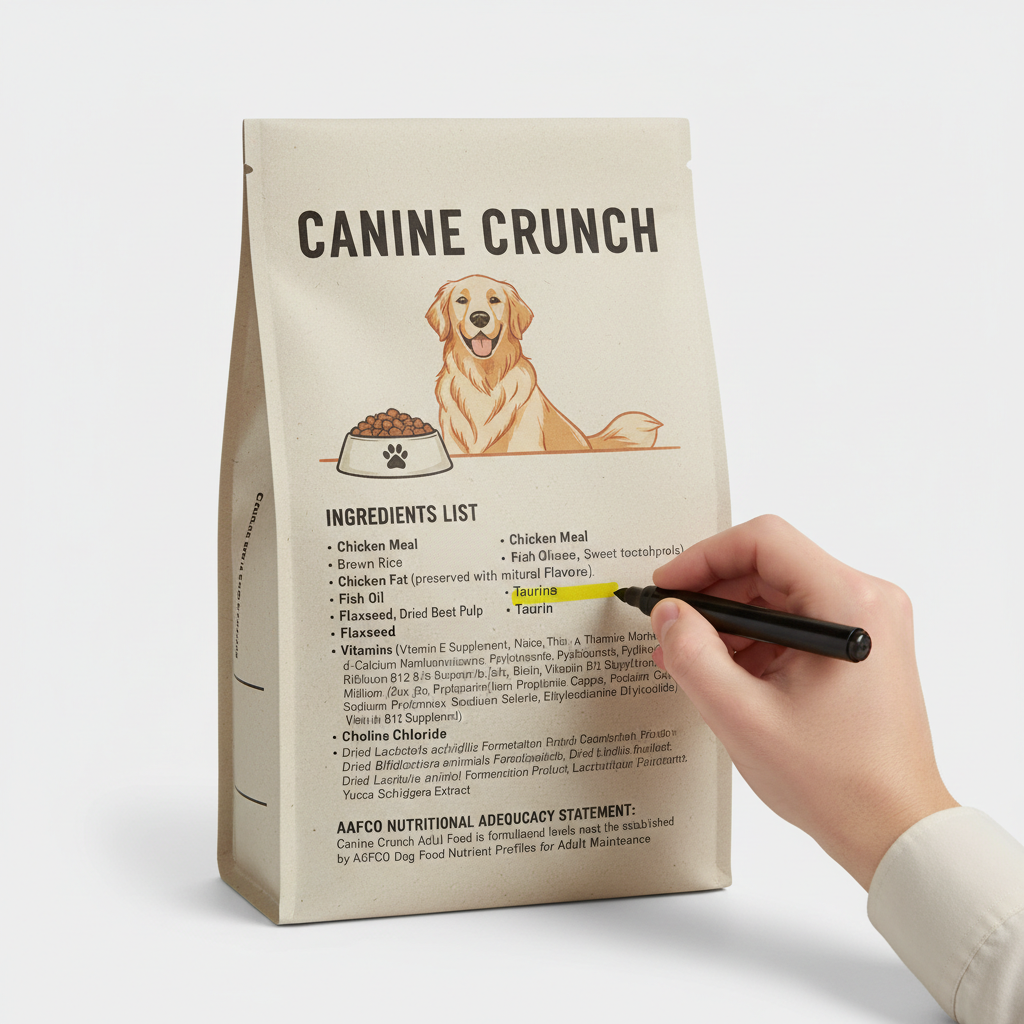
4) Check for fat level and calorie info
Many Golden owners get surprised by calories-per-cup. Two “adult” kibbles can differ a lot. If weight is creeping up, calories matter more than ingredient vibes.
According to the World Small Animal Veterinary Association (WSAVA)... it’s helpful to choose brands that have strong quality control and nutritional expertise behind the formula, not just attractive packaging.
Common Golden Retriever food issues (and what they often point to)
Not every problem is food-related, but these patterns come up often enough that it’s worth treating them as clues.
- Soft stool on and off: sometimes too-rich food, too many treats, abrupt changes, or a sensitivity to a specific protein.
- Itchy skin, licking paws, recurrent ears: can be environmental allergies, but diet may contribute; true food allergy is possible but less common than people assume.
- Weight gain despite “normal” portions: overestimating activity, high-calorie kibble, or treat calories stacking up fast.
- Gassiness: can be certain fibers, legumes for some dogs, or simply eating too quickly.
If you’re juggling two problems at once, prioritize stool consistency and weight first, then fine-tune coat and extras. A Golden at an ideal body condition usually looks and feels better across the board.
Quick comparison table: which type of food fits which Golden?
This table won’t pick a single brand for every dog, because “best dog food for golden retrievers” depends on age, appetite, and sensitivity. It will help you pick the right direction.
| Golden’s situation | What to look for | What to be careful with |
|---|---|---|
| Puppy (under 12–18 months) | AAFCO Growth or All Life Stages; DHA/omega-3; controlled calcium | Overfeeding, too many training treats |
| Adult, healthy digestion | Adult maintenance; moderate calories; clear protein source | Calorie-dense “performance” formulas if activity is average |
| Weight gain / always hungry | Lower calories-per-cup; higher fiber; measured portions | “Grain-free” as a weight-loss strategy, it often isn’t |
| Sensitive stomach | Limited ingredient or sensitive digestion lines; gradual transition | Frequent switching, rich toppers |
| Skin/coat concerns | Fish-based options; omega-3 support; simple treat routine | Assuming food is the only trigger, environment often plays a role |
| Senior / less active | Senior or weight management; joint-supporting nutrients; protein that maintains muscle | Over-restricting protein without veterinary guidance |
Self-check: are you choosing the right food right now?
If you’re stuck, run this quick checklist before you buy another bag.
- Body condition: Can you feel ribs with light pressure, and does your dog have a visible waist from above?
- Stool: Mostly formed, easy to pick up, no recurring mucus or sudden swings?
- Skin: Any new itching, hot spots, or ear flare-ups after a food change?
- Energy: Steady energy without being wired or sluggish?
- Treat math: Are treats under roughly 10% of daily calories in many cases?
- Consistency: Same food daily, or lots of rotating toppers and table scraps?
If you answered “no” to body condition or stool, fix that first. Coat supplements and fancy toppers won’t compensate for too many calories or a food your dog can’t digest.
Practical steps: how to pick and transition to a new food
Even a solid food can look “bad” if you switch too fast. Goldens, especially, can punish a rushed change with sloppy stools.
Step 1: Pick a realistic goal
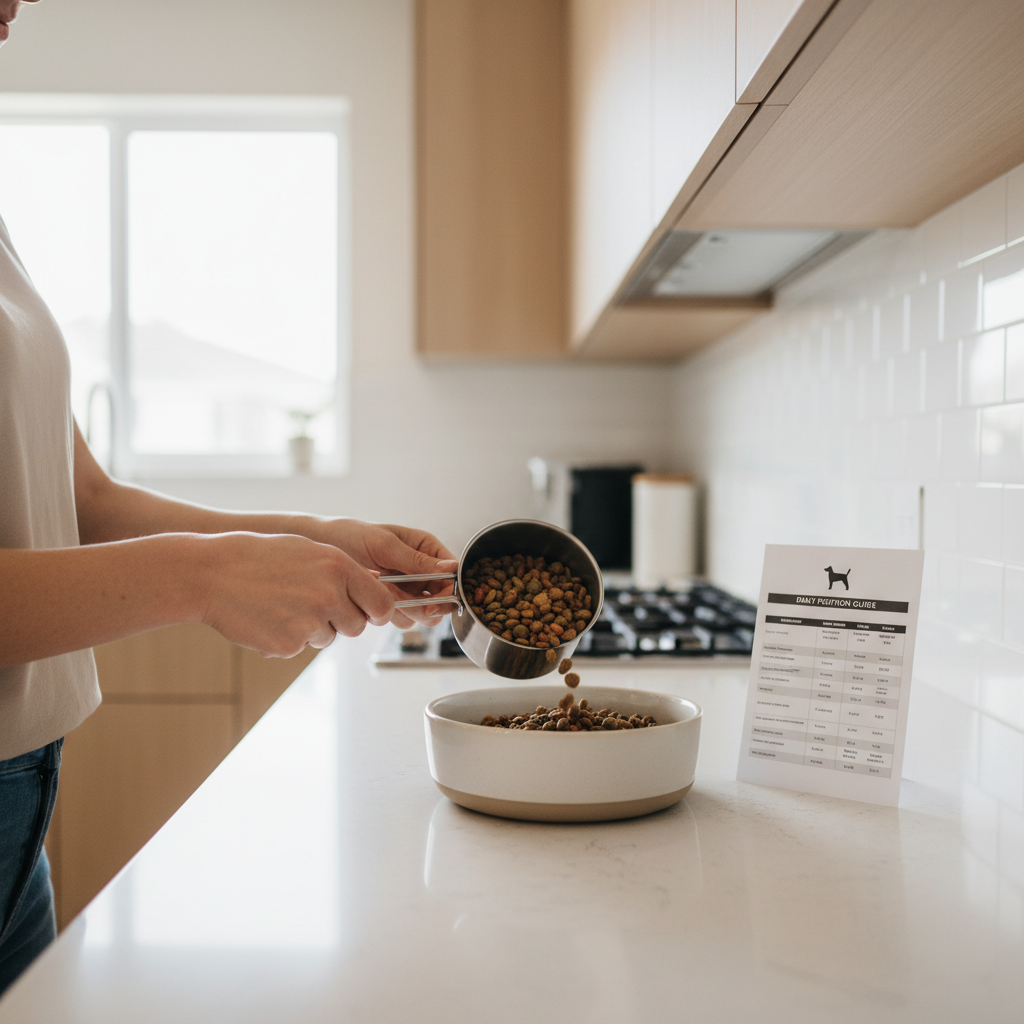
- Weight control: prioritize calories-per-cup and measured feeding.
- Sensitive digestion: prioritize a simpler formula, then hold steady for a few weeks.
- Skin support: prioritize omega-3 rich formulas and reduce treat variety.
Step 2: Transition slowly
A common approach is 7–10 days, longer if your dog has a history of GI upset. Start with mostly old food and gradually increase the new food. If stool turns soft, pause at the current ratio a few days rather than pushing ahead.
Step 3: Control variables while you evaluate
Keep treats boring for a bit, avoid new chews, and skip table scraps. If you change food and treats at the same time, you won’t know what caused the improvement or the problem.
Step 4: Re-check portions after two weeks
Use your dog’s body condition and the calorie info as your guide, not just the bag chart. Many charts assume a very active dog, and plenty of pet Goldens are active, but not “working-dog active.”
Mistakes that waste money (or make things worse)
- Switching foods every time your dog scratches: itching can be seasonal, environmental, or due to fleas, so food-hopping sometimes creates more GI chaos than relief.
- Assuming grain-free equals healthier: it can be appropriate for specific dogs, but it’s not automatically better for a Golden’s skin, weight, or digestion.
- Letting toppers become the main diet: a little topper is fine, but many “picky” dogs are actually trained to hold out for the good stuff.
- Ignoring treat calories: dental chews, training bites, and peanut butter add up fast in this breed.
According to the U.S. Food & Drug Administration (FDA)... certain diet-associated heart concerns have been investigated in dogs, and diet choices can be complex; if you’re considering major diet restrictions, it’s reasonable to discuss with your veterinarian.
When to involve your vet or a veterinary nutritionist
If you notice any of the following, food selection becomes more than a shopping decision, and professional input is worth it.
- Persistent diarrhea or vomiting, especially longer than 24–48 hours or with lethargy
- Rapid weight loss, refusal to eat, or excessive drinking
- Recurring ear infections or skin flare-ups that don’t respond to basic management
- Suspected food allergy, where a structured elimination diet matters
- Existing conditions like pancreatitis, kidney disease, or heart disease, where nutrients may need tight control
Many cases do fine with a careful food choice and consistent feeding, but if symptoms persist, a vet can rule out parasites, infections, endocrine issues, and other problems that mimic “food sensitivity.”
Conclusion: choosing the “best” food without overthinking it
The best dog food for golden retrievers is the one your dog maintains a lean body condition on, digests consistently, and can eat month after month without constant tinkering. That’s not flashy, but it’s usually what works.
If you want a simple next step, pick a life-stage-appropriate, complete-and-balanced formula, measure portions for two weeks, and track stool plus weight trend. That small reset fixes more issues than most ingredient debates.
Key takeaways
- Calories-per-cup and portion control matter a lot for Goldens.
- Transition slowly or you may misjudge a good food.
- Skin and ear issues might involve food, but environment often plays a role too.
- Consistency beats constant switching when you’re trying to learn what works.
If you’re trying to narrow down options faster, bring your current bag’s calorie info, your Golden’s weight, and a short symptom log to your next vet visit, it usually turns “guessing” into a clearer plan.