
sugar glider food nectar can be a helpful part of a balanced plan, but it’s also one of the easiest places for owners to accidentally overdo sugar, miss key nutrients, or feed something that spoils too fast.
If you’re shopping for a nectar “liquid,” mixing your own, or trying to fix picky eating, the goal stays the same: steady nutrition, safe ingredients, and a routine you can actually keep up with at 10 p.m. when everyone else is asleep.
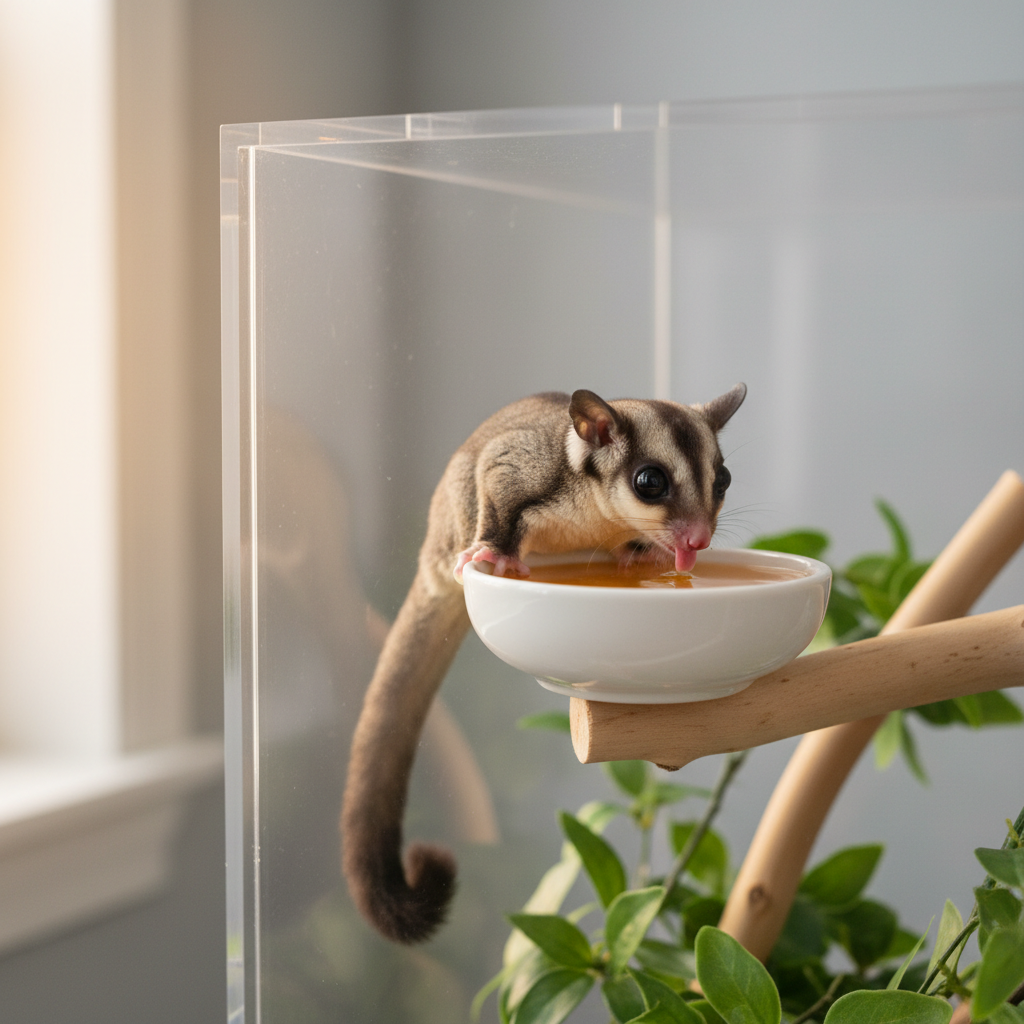
A common misconception is that “nectar” automatically equals “natural,” therefore safe. In practice, many products and DIY mixes vary a lot in protein quality, calcium balance, and added sweeteners. This guide helps you judge options, build a simple feeding routine, and know when to ask a professional.
What “nectar” really means for sugar gliders
In pet glider talk, “nectar” usually refers to a sweet, pourable staple mix that’s served alongside produce and sometimes insects or other protein. It’s not the same as hummingbird nectar, and it’s not a complete diet by default.
Many keepers use nectar-like staples because they’re easy to portion, gliders accept them readily, and you can batch-prep and freeze. The downside is obvious too: liquids spoil quickly, and sweetness can crowd out more nutrient-dense foods if portions drift.
Why sugar gliders are sensitive to unbalanced nectar liquids
Gliders are small, fast-metabolism animals, and they tend to prefer sweet flavors. That combo means nutrition mistakes show up sooner than people expect, especially when the “staple” becomes mostly a treat.
- Calcium-to-phosphorus balance: Many fruits and some add-ins tilt phosphorus high. Over time, an imbalanced ratio can contribute to bone and muscle issues. According to Merck Veterinary Manual, nutritional imbalances in small mammals can contribute to metabolic bone problems, and diet correction is typically part of prevention and management.
- Protein quality matters: “A little egg” or “a splash of yogurt” might not create consistent amino acid intake. What looks fine in a bowl can be uneven across nights.
- Spoilage risk: Warm rooms, slow eaters, and sugary liquids increase bacterial growth risk. This is less dramatic than it sounds, but it’s a real reason to limit time-in-cage for wet foods.
- Dental and weight concerns: Sticky, sweet liquids can add calories fast. Not every glider gains weight easily, but many household setups are less active than wild conditions.
Quick self-check: is your nectar setup working or drifting?
If you’re not sure whether your current sugar glider food nectar routine is “fine” or quietly going off-track, this checklist is the fastest sanity check.
- Portion control: Do you measure the nectar portion most nights, or do you eyeball and top off?
- Consistency: Does the staple change week to week based on what’s in the fridge?
- Produce balance: Do you rotate vegetables, or is it mostly fruit because that’s what gets eaten?
- Leftovers: Are you pulling wet food after a reasonable window (often a few hours, depending on room temperature and your cage setup)?
- Body condition: Can you feel ribs with light pressure without sharp “boniness,” and is the belly not drooping?
- Behavior: Any new lethargy, tremors, reluctance to climb, or sudden pickiness that lasts more than a few days?
If several items feel shaky, don’t panic. It usually means you need tighter portions and a more repeatable plan, not a total reset.
Choosing a nectar liquid: what to look for (and what to avoid)
When a label says “nectar,” you’re mostly buying convenience. Your job is making sure that convenience doesn’t come with nutritional gaps.
Green flags on products
- Clear feeding directions with portions by weight/volume and frequency, not “feed as a treat.”
- Protein source is specified (not just “protein blend”), and ingredients are readable.
- Storage guidance (refrigeration, discard timeline) is explicit.
- Calcium support is addressed in a meaningful way, not vague wording.
Red flags that often cause trouble
- High sugar focus with minimal protein, vitamins, or mineral detail.
- Essential oils, xylitol, or “energy boosters”. When in doubt, skip it and ask an exotics vet.
- No clear instructions for daily amount, or no note on pairing with produce/protein.
- “Complete diet” claims without transparent nutrient info. This isn’t always wrong, but it deserves extra scrutiny.
Practical feeding plans: how nectar fits into a night routine
Most households do best with a predictable pattern: staple nectar portion, produce portion, and an optional protein enrichment depending on your staple recipe or product directions. If your staple already includes a solid protein component, adding extra protein nightly can push calories higher than you intend.
Here’s a simple way to think about it: nectar is the “base,” produce is the “variety,” and insects/protein are the “fine-tuning.” The exact amounts vary by age, body condition, activity, and whether you have one glider or a colony.
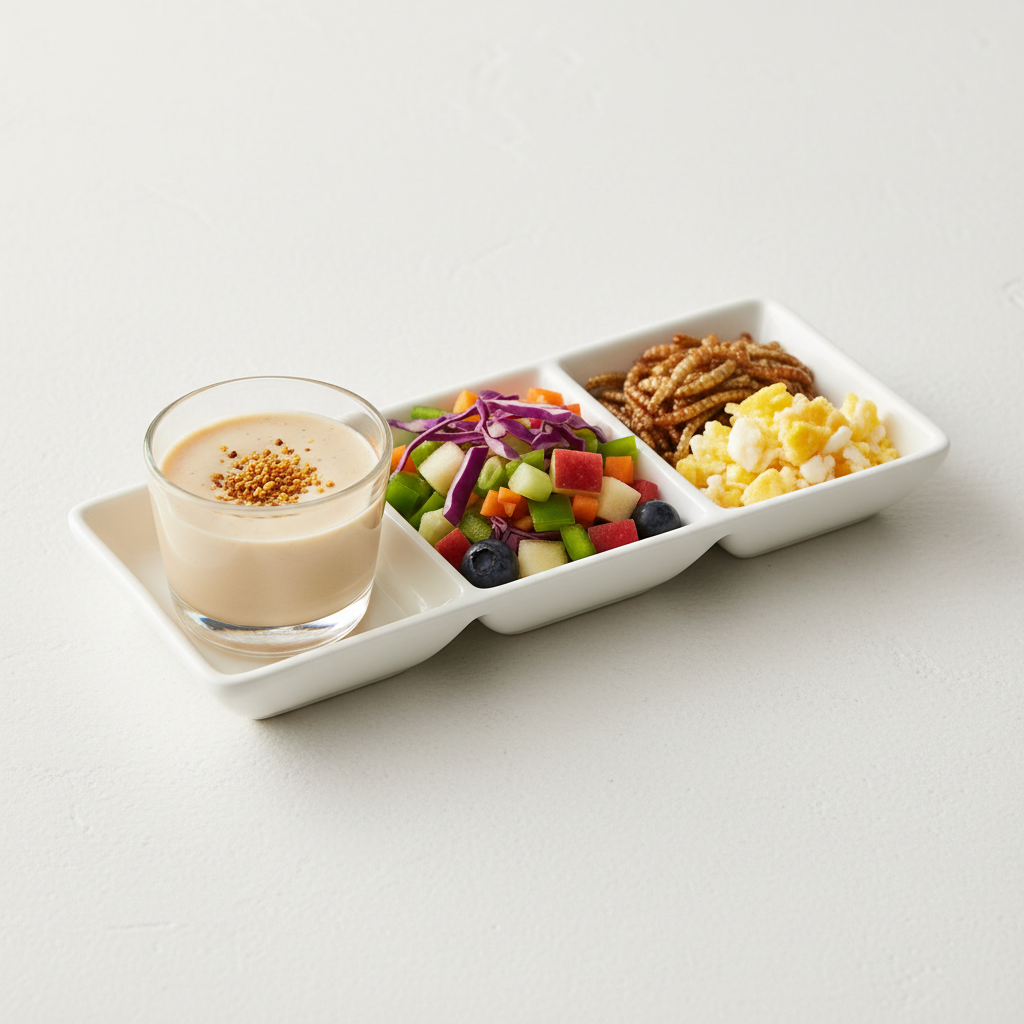
Key point: if your glider licks nectar and ignores everything else, you don’t fix it by offering more sweet liquid. You usually fix it by reducing nectar portion slightly, improving produce selection, and keeping the schedule steady long enough for preferences to shift.
DIY nectar mixing: a safer way to do it (without overcomplicating)
DIY can work well when you follow an established, glider-specific recipe and keep measurements strict. The biggest DIY mistake is “kitchen creativity” that turns a staple into a dessert.
- Use a validated plan: Many owners follow established feeding programs created for sugar gliders. If you’re unsure, ask an exotics veterinarian which plans they see working in practice.
- Measure, don’t eyeball: A tablespoon difference matters for small animals.
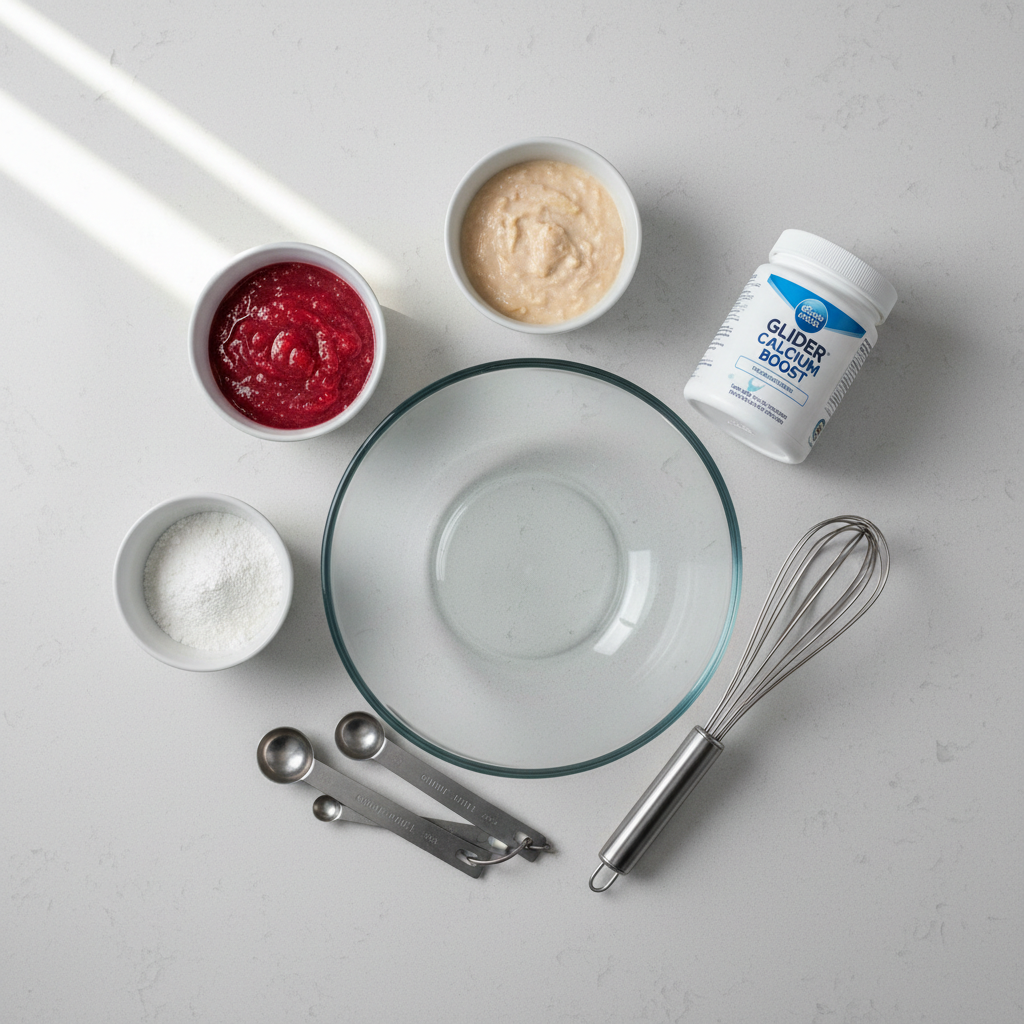
- Batch, label, freeze: Portion into ice-cube trays or small containers, date everything, and thaw in the fridge.
- Keep food safety boring: Clean bowls daily, don’t “top off” yesterday’s leftovers, and remove wet food within a reasonable time window for your home.
According to FDA guidance on food handling, refrigeration and time limits help reduce bacterial growth in perishable foods. Pet food isn’t identical to human food, but the basic hygiene logic still applies.
A quick comparison table: nectar options at a glance
This table won’t pick a brand for you, but it clarifies tradeoffs owners typically run into when deciding how to use sugar glider food nectar as part of a routine.
| Option | Pros | Watch-outs | Best for |
|---|---|---|---|
| Commercial nectar liquid | Fast, consistent texture, easy for sitters | Quality varies, can be sugar-forward, instructions may be vague | Busy schedules, travel weeks |
| DIY staple nectar mix | Ingredient control, batch prep, can be cost-effective | Easy to “freestyle” into imbalance, needs freezer space | Owners who like routines and measuring |
| Nectar as occasional supplement | Helpful for transitions, appetite dips, bonding | Can turn into daily crutch, may worsen picky habits | Short-term use, recovery support with vet input |
Common mistakes that make nectar feeding backfire
- Using nectar to replace produce: It feels efficient, but it often reduces fiber and variety.
- Over-trusting “natural”: Honey, agave, fruit juice concentrates can still be sugar-heavy.
- Ignoring calcium guidance: If your plan requires supplementation, skipping it “sometimes” tends to become “often.”
- Leaving wet food out all night: Many cages stay warm, and gliders don’t always finish quickly.
- Rapid diet switches: Sudden changes can cause soft stool or refusal. Gradual transitions often work better.
When to get professional help (and what to bring to the visit)
If you notice weight loss, persistent diarrhea, tremors, weakness, dehydration signs, or a big change in appetite, it’s smart to contact an exotics veterinarian. These signs can come from diet issues, but also infections, parasites, dental problems, or stress, and guessing wastes time.
Bring three things: a photo of your feeding setup, the exact product labels or your recipe with measurements, and a 3–5 day log of what was actually eaten. That usually leads to faster, more practical advice than “I feed nectar and fruit.”
Conclusion: keep nectar useful, not dominant
Used thoughtfully, sugar glider food nectar can support a consistent routine and help picky eaters settle, but it works best when portions stay measured and the rest of the diet still does real nutritional work. Your next step can be simple: pick one clear feeding plan, tighten your portions for two weeks, and track what gets eaten instead of what gets offered.
If you want a low-friction upgrade, start by swapping in more vegetable variety, reducing the temptation to refill nectar, and setting a nightly “remove wet food” reminder. Small changes, repeated, tend to beat big overhauls.
FAQ
How often should I feed sugar glider food nectar?
Many owners serve a nectar-style staple nightly in measured portions, paired with produce. The right frequency depends on whether your nectar is a complete staple recipe or more of a supplement, so follow the plan’s directions and confirm with an exotics vet if you’re unsure.
Is nectar liquid the same as a complete sugar glider diet?
Not automatically. Some products are designed as part of a structured plan, while others function more like a sweet supplement. If the label doesn’t clearly explain how it fits with produce and protein, treat it cautiously.
Can I use honey or fruit juice to make nectar at home?
You can, but this is where DIY drifts into “dessert” fast. If a recipe calls for a sweetener, measure exactly and avoid improvising with concentrates. If you’re mixing from scratch without an established plan, it’s worth getting vet guidance.
Why does my sugar glider only lick the nectar and ignore everything else?
Sweet preference is powerful. Usually the fix is smaller nectar portions, better produce rotation, and patience during a gradual transition. If refusal is sudden or paired with lethargy or weight loss, get a professional opinion.
How long can nectar stay in the cage overnight?
It varies with room temperature and how wet the mix is, but wet, sweet foods spoil faster than dry foods. Many owners remove leftovers within a few hours rather than leaving them all night, especially in warm rooms.
What’s the safest way to store nectar mixes?
Refrigerate short-term portions and freeze batch prep in dated containers. Thaw in the fridge, keep bowls clean, and avoid topping off old food with new, since that can raise spoilage risk.
Do sugar gliders need calcium added to nectar?
Some feeding plans include calcium supplementation to balance typical produce choices, others build it into the staple. Adding calcium “just in case” can also be a problem, so it’s better to follow one coherent plan and ask an exotics vet if your setup is unclear.
Key takeaways
- Measure nectar portions to keep sugar intake predictable.
- Don’t let nectar replace produce variety, especially vegetables.
- Food safety matters: wet foods spoil, so remove leftovers on a schedule.
- Pick one feeding plan and run it consistently before you judge results.
If you’re currently bouncing between products, recipes, and “just one more topper,” you’ll usually get better results by simplifying: choose one nectar approach, document what your glider actually eats for a week, then adjust with a vet or experienced rescue if something still feels off.