
Pet hair roller for clothes sounds like a simple fix, but if you have a shedding dog or cat, you already know the frustration, you roll once and the hair still clings, especially on black leggings, office slacks, and textured sweaters.
The good news is you usually don’t need a complicated setup, you need the right style of roller for your fabric, plus a few small habits that stop hair from “reappearing” five minutes later on the way to the car.
This guide focuses on portable options you can keep in a bag, car, desk, or carry-on, what to buy, what to skip, and how to use each type so you waste fewer sheets and get better results.
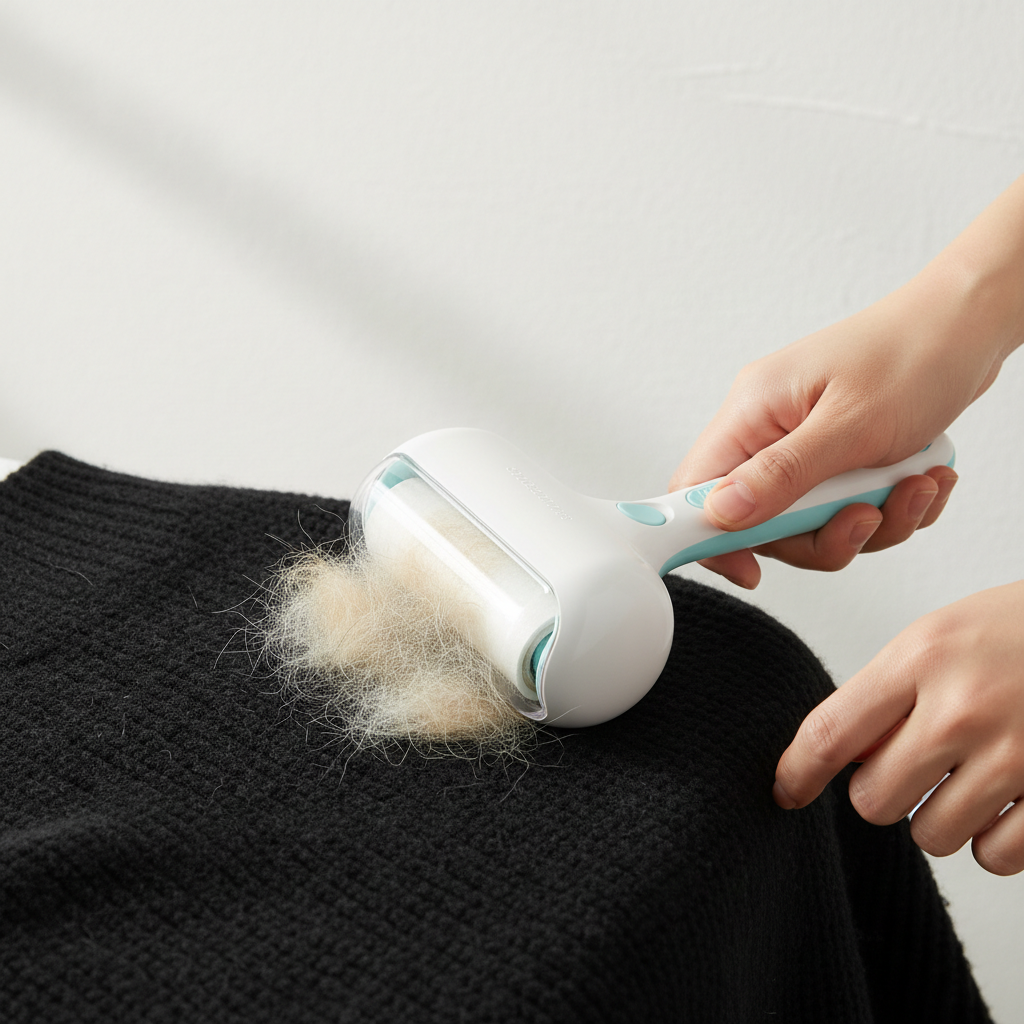
Why pet hair sticks to clothes (and why some rollers fail)
Most people blame the roller, but the real issue is the combo of fabric texture, static, and the “shape” of pet hair. Fine undercoat hairs wedge into knits and fleece, longer guard hairs wrap around fibers and seams, and both can cling harder when the air is dry.
- Static electricity: Dry air and synthetic blends can make hair cling, a roller removes some hair, then more “jumps” back onto the surface.
- Fabric weave: Brushed fabrics, wool, and chunky knits hold hair deeper than smooth cotton or denim.
- Oil and residue: Fabric softener buildup, lotions, or lint can reduce tack and make sheets feel “used” too soon.
- Wrong tool: Some sticky sheets are too weak for heavy shedding, while some silicone or brush tools work great on coats but struggle on thin tees.
According to the American Kennel Club (AKC), shedding patterns vary by breed, season, and coat type, so what works in July may feel underpowered in January when undercoat drops.
Quick self-check: which portable roller style fits your situation?
If you want a fast answer, use this checklist. You don’t need “the best,” you need the best match for how you actually get covered in hair.
- You commute or travel often: Look for a compact case, a cap that won’t pop off in a bag, and refills you can find locally.
- You wear dark athleisure or office basics: Strong adhesive sheets or a good velvet brush tends to look cleaner in one pass.
- You have long-haired pets: Wider rollers or high-tack sheets reduce time, a tiny mini roller can feel endless.
- You care about waste: Reusable brush or silicone options cut refills, but they require periodic cleaning.
- You have delicate fabrics: Avoid overly aggressive tools on loose knits, test on an inner seam first.
Types of portable pet hair rollers (with a practical comparison)
“Portable” can mean pocket-size, purse-ready, or “lives in the car.” Here’s how the common options stack up in real use.
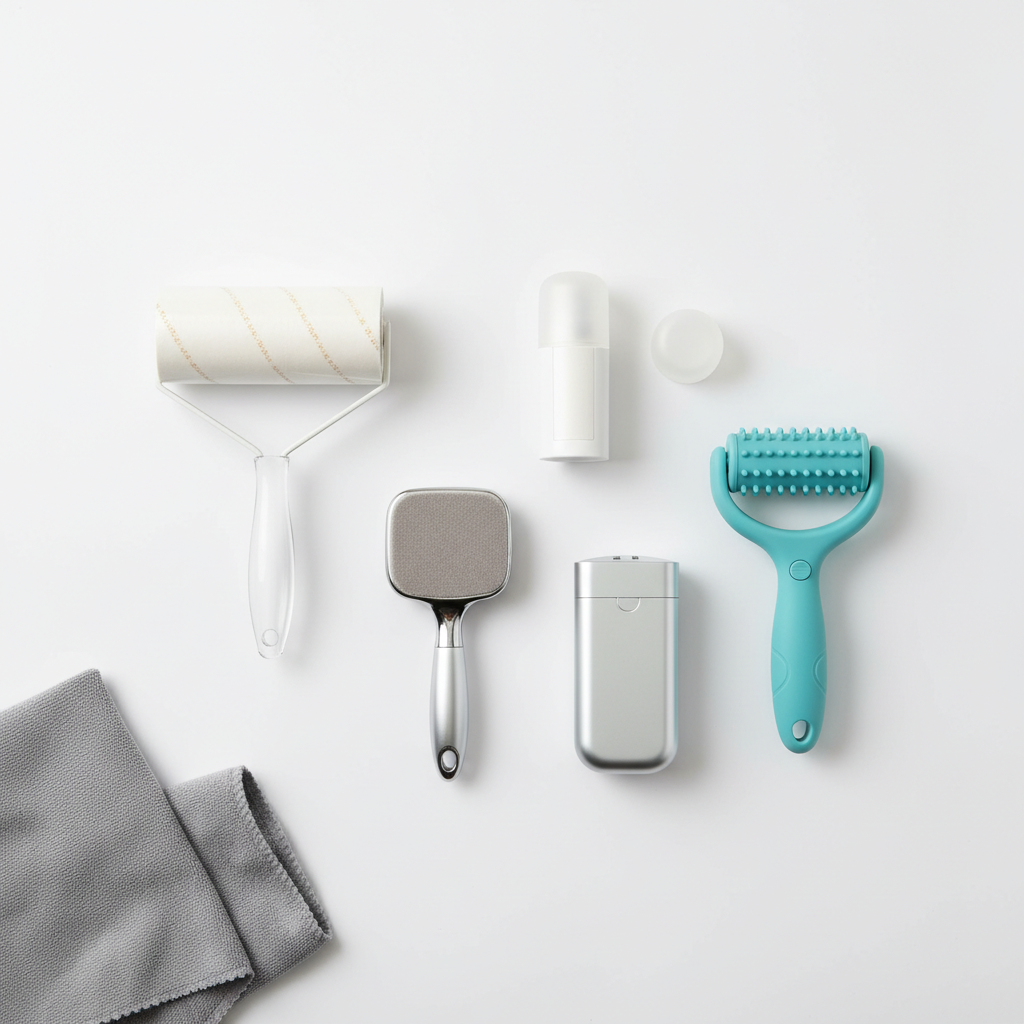
Comparison table: portable options at a glance
| Type | Best for | Pros | Tradeoffs |
|---|---|---|---|
| Adhesive sheet roller | Fast touch-ups on most fabrics | Quick, familiar, easy to share | Refills, weaker sheets struggle with heavy hair |
| Mini adhesive roller | Travel, handbags, events | Very portable, good for collars and lapels | Small width, burns through sheets faster |
| Reusable velvet brush (self-cleaning base) | Coats, pants, upholstery-like fabrics | No refills, strong on embedded hair | Less effective on clingy static, needs occasional cleaning |
| Silicone roller | Heavier hair on sturdier fabrics | Washable, good grip on hair clumps | Can drag on delicate knits, can leave slight moisture if not dried |
| Lint brush + microfiber cloth combo | Finishing pass, especially on dark clothes | Polishes the look, reduces static feel | Not a primary remover if you’re covered |
How to use a pet hair roller for clothes so it actually works
Technique matters more than people expect. If your pet hair roller for clothes feels like it “stops working,” it’s often pressure, direction, and sheet management.
- Start with short strokes: 6–10 inches works better than long swipes, you get more consistent contact.
- Roll with the fabric grain: On pants and knits, follow the weave direction, cross-grain passes can lift less hair.
- Use light-to-medium pressure: Pressing hard can flatten hair into fabric, especially on fleece.
- Hit seam lines and hems: Hair collects where fabric folds, do a quick pass along cuffs, pockets, and waistbands.
- Rotate and refresh early: Don’t wait until a sheet is fully covered, peel sooner so tack stays high.
If static is making hair cling immediately after rolling, a tiny mist of water on your hands (not soaking fabric) and a quick smoothing pass can help, but use caution on delicate materials and consider testing first.
Portable routines: car, office, travel, and “last-minute at the door”
The biggest win isn’t removing hair once, it’s keeping hair from building up where you get dressed and where you sit. A small routine cuts your roller use in half in many households.
Car kit (2 minutes before you exit)
- Keep a capped roller or reusable brush in the door pocket or center console.
- Do a quick pass on the seatbelt area and your lap, that’s where hair transfers most.
- Store refills in a zip bag so they stay clean and don’t unravel.
Office drawer kit (meetings, client visits)
- One standard roller plus a microfiber cloth for the final “polish.”
- Roll shoulders and back first, then sleeves, then front, it looks more natural and avoids re-transfer from your hands.
- If you wear blazers, check the collar and upper back, that’s where hair tends to show in bright office lighting.
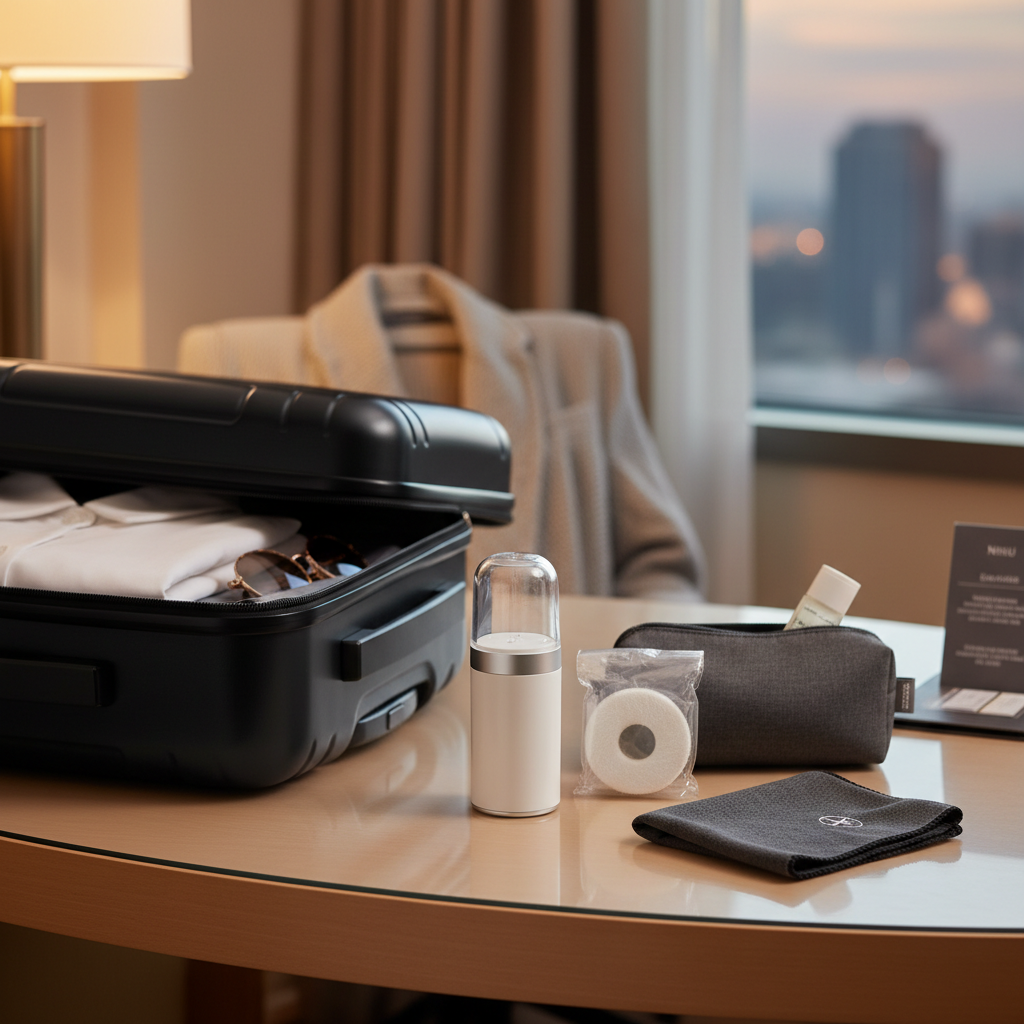
Travel kit (carry-on friendly)
- Pick a mini roller with a secure cap, loose adhesive collects lint from your bag lining.
- Pack one spare refill or a reusable brush if you’ll be away multiple days.
- If you stay at hotels, roll clothing away from the bedspread to reduce picking up extra fibers.
What to look for when buying a portable roller (so you don’t regret it)
Price matters less than usability. The small annoyances, caps that fall off, sheets that tear, handles that feel flimsy, are what make people stop using the tool.
- Sheet tack level: If you own multiple pets or a heavy shedder, “extra sticky” is often worth it, but be gentler on delicate knits.
- Sheet tear quality: Clean perforations save time, messy peeling wastes sheets and patience.
- Handle grip and angle: A slightly angled handle reduces wrist strain during quick touch-ups.
- Protective cap/case: For bags and luggage, this is non-negotiable, exposed adhesive becomes a lint magnet.
- Refill availability: If you can’t buy refills easily, the roller becomes a one-week solution.
- Roller width: Wider for coats and pants, narrower for collars, dresses, and travel.
For a lot of people, the most practical setup is two tools, a standard adhesive roller at home and a compact version for the car or bag.
Common mistakes (and small fixes that save you a lot of sheets)
These are the patterns that make any pet hair roller for clothes feel underpowered, even when the product is fine.
- Rolling over damp fabric: Moisture reduces tack and smears hair, let clothing dry fully.
- Ignoring laundry factors: Overuse of softeners can leave residue, if you suspect buildup, consider adjusting laundry products or asking a laundry professional for fabric-safe options.
- Using one tool for everything: A sticky roller is great for tees and trousers, a brush often wins on coats and upholstery-like textures.
- Not cleaning reusable tools: Brushes and silicone rollers need quick cleanup, otherwise they just move hair around.
- Storing rollers uncovered: Open adhesive attracts dust, then you’re rolling dust onto your clothes, which is a different problem.
When it’s more than a clothing issue: consider pet and home factors
If your wardrobe looks “permanently fuzzy,” you may be fighting the source more than the symptom. Grooming, bedding fabrics, and your usual lounging spots can change how much hair transfers to clothes.
- Regular brushing: Often reduces the amount of loose hair available to transfer, especially during seasonal shedding.
- Wash pet bedding and throw blankets: Hair accumulation there transfers back onto you after one couch session.
- Consider fabric choices: Smooth, tightly woven materials tend to show less hair than fleece and loose knits.
According to the American Veterinary Medical Association (AVMA), changes in a pet’s coat or shedding can sometimes relate to health or nutrition, if shedding suddenly increases or you notice skin irritation, it’s smart to consult a veterinarian.
Key takeaways and a simple action plan
You don’t need a dozen gadgets, you need a reliable portable tool and a repeatable routine. If you only do two things, do these, keep a capped roller where hair transfer happens most, and use short, light passes with early sheet changes.
- Choose by context: mini for travel, standard for home, brush for coats and heavy embed.
- Fix technique: short strokes, follow fabric grain, refresh sheets before they look “done.”
- Reduce re-transfer: car seatbelt area, couch throws, and pet bedding drive most of the repeat mess.
If you want a quick win today, set up a car or entryway kit and commit to a 60-second roll before leaving, it’s the lowest-effort habit with the biggest payoff.
FAQ
What’s the best pet hair roller for clothes for travel?
A mini adhesive roller with a secure cap is usually the easiest choice, it won’t gum up in your bag. If you travel frequently, a reusable brush can be worth it, but it takes a little more cleanup discipline.
Why does pet hair come back right after I roll my clothes?
Most of the time it’s re-transfer from your car seat, couch, or pet bedding, or static pulling loose hair back onto the fabric. Rolling the seatbelt area and doing a quick smoothing pass can reduce that “immediate comeback.”
Do reusable pet hair removers work as well as sticky rollers?
They can, especially on coats, thicker pants, and fabrics where hair sits deeper. On lightweight tees or very smooth fabrics, adhesive sheets often look cleaner faster, so many people keep both styles.
Can a pet hair roller damage delicate clothing?
It’s uncommon, but aggressive tack or heavy pressure can stress loose knits and some sweaters. Testing on an inside seam and using lighter pressure is a safe habit if you’re unsure.
How often should I replace lint roller sheets?
Earlier than you think, once the sheet looks “half covered,” tack drops and you start pushing hair around. If you’re rolling after sitting on a furry couch, expect to change sheets faster.
How do I keep a portable roller clean in my bag?
Use a cap or case, and keep refills in a sealed pouch. If the adhesive surface gets dusty, it will feel weaker and may leave lint behind on dark clothes.
What works better than a roller for heavy shedding on coats?
A reusable velvet brush often pulls embedded hair out more efficiently than sticky sheets. If the coat fabric is delicate, go gently and clean the brush often so you don’t redeposit hair.
If you’re trying to build a no-stress “always presentable” setup, it helps to pick one pet hair roller for clothes for home and one truly portable option for your car or bag, you’ll use them more when they’re already where you need them.