
homemade cat treats simple usually means one thing: you want something quick, low-mess, and made from ingredients you actually recognize, without turning your kitchen into a baking project.
That’s a reasonable goal, but the tricky part is that cats aren’t small dogs. Texture, smell, and nutrition matter, and a “healthy” human ingredient can be a bad fit for a cat depending on sensitivities, sodium, or added seasonings.
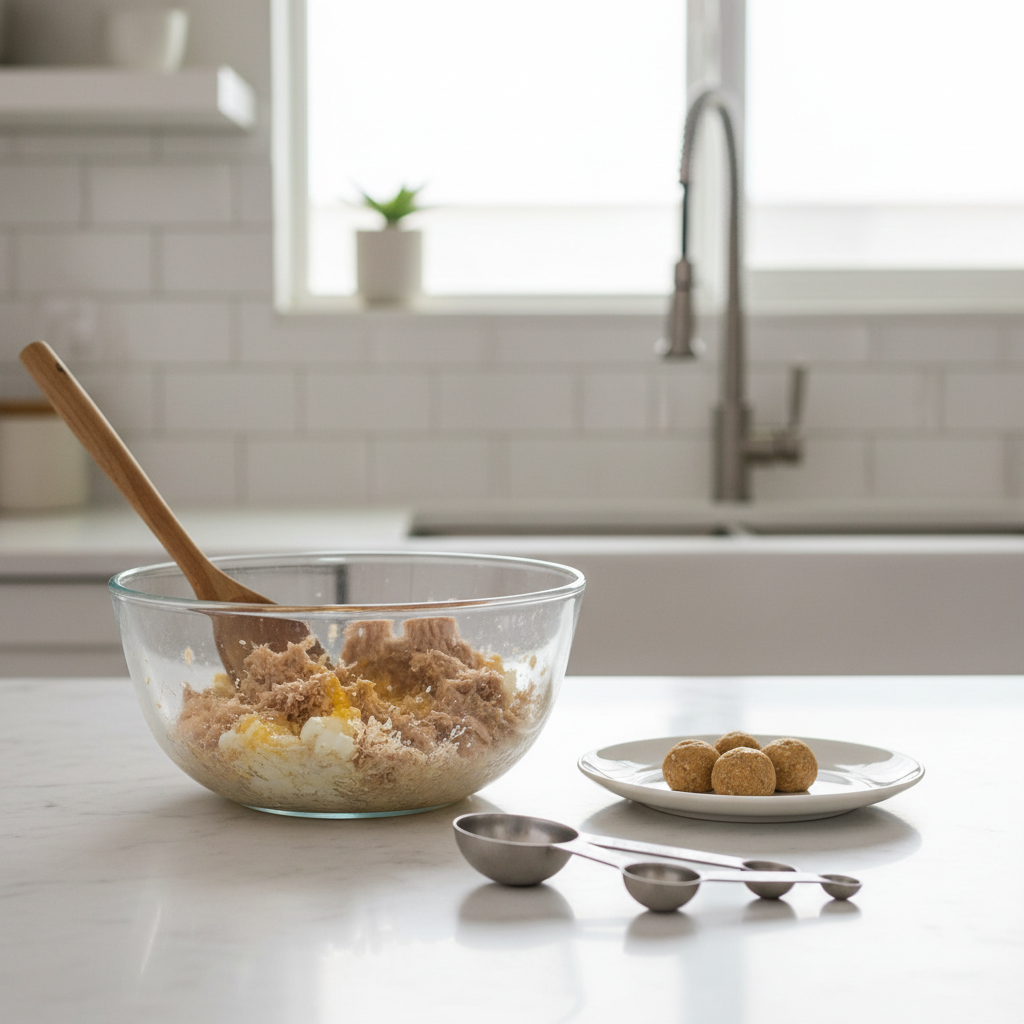
Below are practical no-bake options, a quick safety checklist, and a simple way to choose the right recipe for your cat’s goals, whether that’s training, pill time, or just a once-in-a-while snack.
What “no-bake” really means for cat treats
No-bake treats rely on one of three things to hold together: moisture-binding (egg, pumpkin), fat-binding (salmon, sardines), or chilling (fridge/freezer). You’re not “cooking,” but you still need to handle ingredients safely, especially anything raw.
According to FDA, raw pet food can carry bacteria that may make pets or people sick, so if you choose raw ingredients, you’ll want extra hygiene and you may prefer lightly cooked options even if they’re technically no-bake.
Ingredients that work well (and what to avoid)
Go-to ingredients for simple homemade treats
- Canned fish in water (tuna, salmon): strong aroma, easy to mash, usually accepted by picky cats.
- Plain cooked chicken: good for high-value training bits when shredded very small.
- Freeze-dried single-ingredient meats: not homemade, but great as a “control” treat to compare reactions.
- Plain pumpkin puree (100% pumpkin): helps bind dough, often used for digestion support, but keep portions tiny.
- Egg (fully cooked if used): adds structure and protein, but not every cat tolerates it.
Common kitchen ingredients to avoid
- Onion, garlic, chives: toxic to cats even in powder form.
- Xylitol: dangerous sweetener found in some peanut butters and “sugar-free” products.
- High-sodium meats (deli slices, seasoned rotisserie chicken): cats don’t need the salt and seasonings can upset stomachs.
- Dairy: many adult cats are lactose intolerant, even if they love the taste.
- Essential oils and heavy spices: irritation risk, not worth it.
Quick self-check: which treat style fits your cat?
If you’ve ever made treats your cat ignored, it’s usually not your “recipe skills.” It’s fit. Use this fast checklist to pick a direction before you mix anything.
- Picky eater? Choose fish-based, strong-smell recipes, start with pea-sized pieces.
- Needs weight control? Pick lean proteins, avoid oily fish daily, keep treat calories minimal.
- Hairball or sensitive digestion? Consider a tiny amount of pumpkin-based binder, watch stool changes.
- Food allergies suspected? Use single-protein treats only, no blends, and introduce one new item at a time.
- Medication “pill time” battles? Use a sticky, moldable treat (pumpkin + tuna) and keep portion very small.
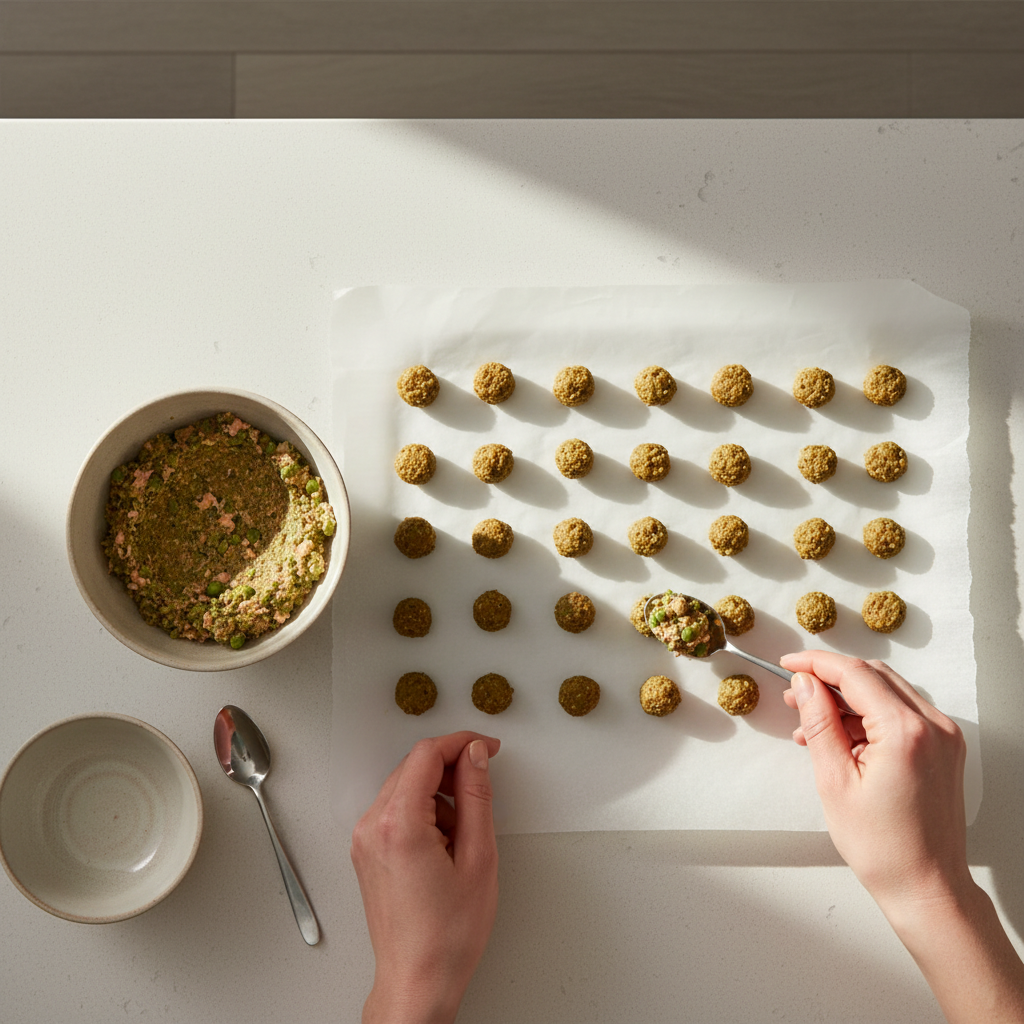
3 no-bake recipes (simple, small-batch, pantry-friendly)
Each option is designed to be “mix, shape, chill,” with ingredients you can pronounce. Keep pieces tiny, cats don’t need a big treat to feel rewarded.
Recipe 1: Tuna-Pumpkin Soft Bites (moldable)
- Ingredients: 2 tbsp canned tuna in water (drained), 1 tbsp pumpkin puree
- How: mash into a paste, roll into pea-sized balls, chill 20–30 minutes
- Best for: picky cats, pill camouflage (small amount)
- Notes: if it’s too wet, add a pinch more pumpkin, if too dry, add a few drops of tuna water
Recipe 2: Chicken Shred Training Bits (zero-mix)
- Ingredients: plain cooked chicken breast or thigh (no skin, no seasoning)
- How: shred, then cut into rice-grain size pieces
- Best for: clicker training, nail trims, carrier practice
- Notes: small pieces matter, you’ll reward more often than you think
Recipe 3: Sardine “Chill & Slice” Treats (high-value)
- Ingredients: 1–2 sardines in water (no added salt if possible), 1 tsp pumpkin puree (optional)
- How: mash, press into a thin layer in a small container, chill, then slice into tiny squares
- Best for: cats who ignore most treats, short training sessions
- Notes: oily fish may be rich for some cats, start small and see how your cat responds
Storage, food safety, and portion guidance
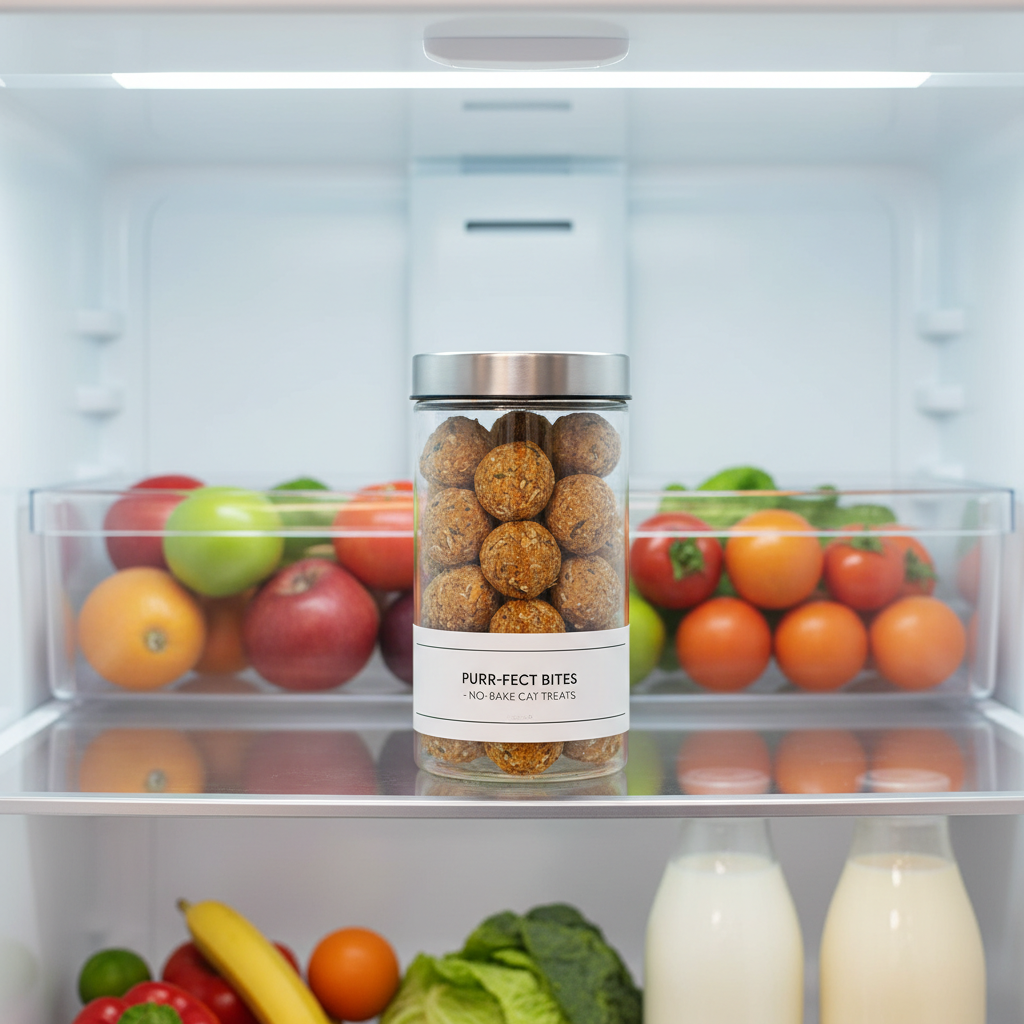
No-bake treats spoil faster than crunchy baked ones, so storage is half the recipe.
- Refrigerator: typically 2–3 days for fish or chicken mixtures, stored in an airtight container.
- Freezer: 2–6 weeks is common for small batches, thaw a few pieces at a time in the fridge.
- Handling: wash hands, sanitize surfaces, don’t reuse tasting spoons, and discard anything that smells “off.”
For portions, a practical rule is to keep treats as a small slice of daily intake. According to AAHA, treats should be limited so they don’t unbalance a pet’s diet; if your cat has a medical condition or special diet, it’s smart to ask your veterinarian what “small” should look like.
Simple comparison table: pick the right option fast
| Treat type | Prep time | Texture | Best use | Watch-outs |
|---|---|---|---|---|
| Tuna-Pumpkin Soft Bites | 5 min + chill | Soft, moldable | Pill time, picky cats | Too much pumpkin can loosen stool |
| Chicken Shred Bits | 5–10 min | Meaty, moist | Training, portion control | Must be unseasoned, store safely |
| Sardine Chill & Slice | 5 min + chill | Soft, rich | High-value rewards | Richness, sodium depending on brand |
Key takeaways (so you don’t overthink it)
- Smell beats shape: for many cats, aroma matters more than cute molds.
- Keep pieces tiny: you get more rewards with fewer calories.
- One new ingredient at a time: it’s the easiest way to spot sensitivities.
- Skip seasoning: “plain” is not boring for a cat, it’s safer.
- Small batch wins: no-bake treats don’t last long, so don’t make a week’s worth on day one.
Conclusion: make it simple, then make it consistent
If your goal is homemade cat treats simple, the win is not variety, it’s a small routine you can repeat without stress. Pick one no-bake recipe, keep portions tiny, and watch how your cat reacts over the next few days.
Make a small batch today, write down what you used, and adjust one variable next time, different protein, smaller pieces, or a shorter chill time. That’s usually how treat “hits” happen in real kitchens.
FAQ
What are the safest no-bake homemade treats for cats?
Single-ingredient options like plain cooked chicken are often the easiest to control. If you use fish, choose canned in water and avoid seasoning, then keep portions small.
Can I use raw egg or raw meat in no-bake treats?
It’s possible, but it adds food safety risk. According to FDA, raw pet food may carry pathogens, so many households choose cooked ingredients, especially if kids or immunocompromised people are around.
How many homemade treats can I give my cat per day?
It depends on your cat’s size, diet, and health goals. A practical approach is to keep treats limited and reduce meal portions slightly if treats become daily, your veterinarian can help set a target if weight is a concern.
My cat has a sensitive stomach, which recipe should I try first?
Start with a single protein your cat already eats in their regular food, like chicken. If you try pumpkin, use a very small amount and watch stool changes for a day or two.
Can kittens eat homemade no-bake treats?
Many kittens can handle tiny pieces of plain cooked meat, but kittens have specific nutrition needs, so treats should stay minimal. If your kitten has growth or GI issues, check with a veterinary professional.
Why does my cat ignore homemade treats?
Often it’s scent, texture, or timing. Try offering treats when your cat is slightly hungry, use stronger-smelling options like tuna, and keep pieces very small so they’re easy to chew.
How do I store no-bake cat treats so they don’t spoil?
Refrigerate in an airtight container and use within a few days, or freeze small portions. If the smell changes or the surface gets slimy, toss them.
Are grain-free no-bake treats better for cats?
Not automatically. Many cats do fine with small amounts of certain binders, but cats are obligate carnivores, so protein-forward treats usually make more sense than carb-heavy ones.
If you’re trying to keep homemade cat treats simple but still want fewer ingredient questions and easier portioning, it can help to rotate your no-bake batches with a single-ingredient commercial treat you trust, then use your homemade versions for the moments that need a softer, moldable texture.