
Cat bad breath remedy searches usually start the same way: you lean in for a cuddle, your cat yawns, and the smell makes you pull back. Occasional “fishy” breath after meals can be normal, but persistent odor often means something needs attention, most commonly dental buildup or gum inflammation.
This matters because bad breath is rarely just a cosmetic issue. In many cats it tracks with mouth pain, hidden infection, or digestion problems, and cats are famously good at hiding discomfort until it has momentum.
Below is a practical, vet-safe way to sort “try this at home” from “don’t wait,” plus natural steps that can help in real life, not just on paper.
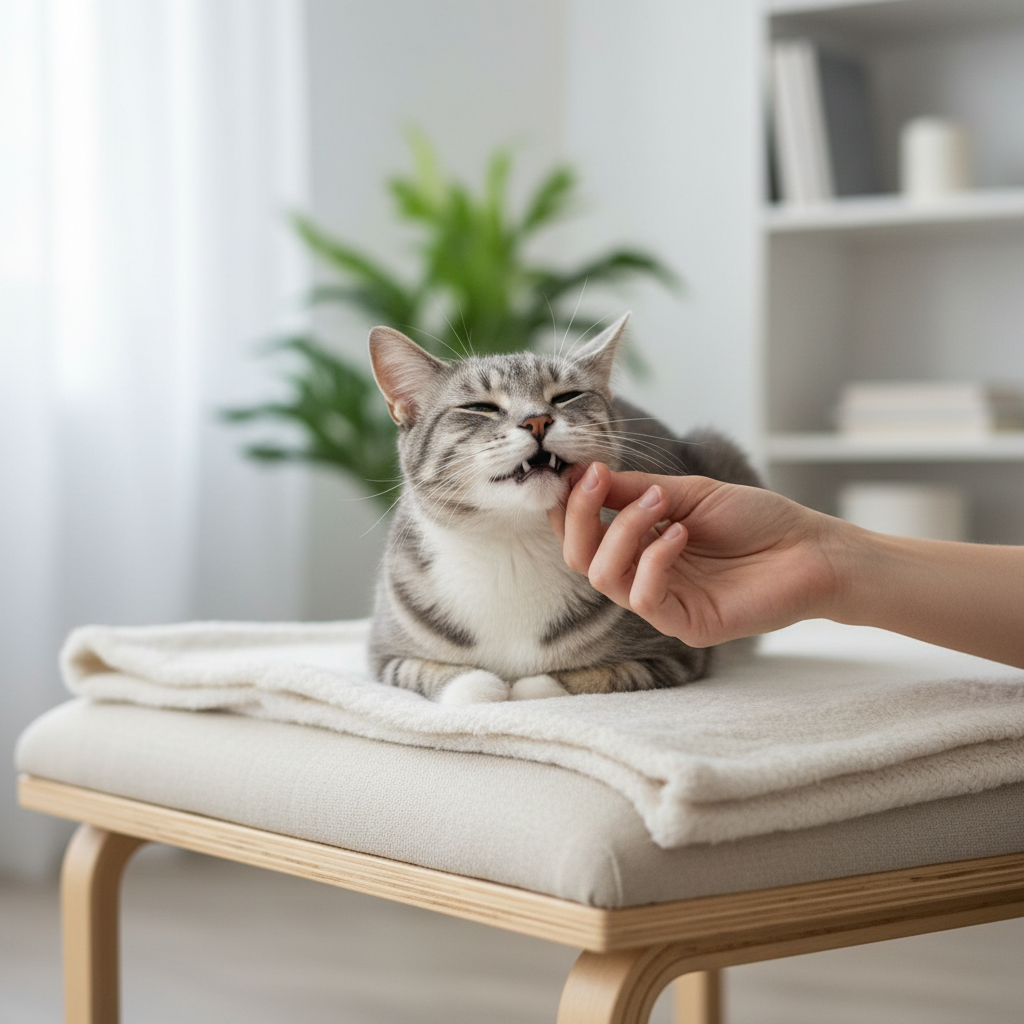
Why your cat’s breath smells bad (and what it often points to)
Most persistent bad breath in cats ties back to the mouth. That said, a few non-dental causes are important because home care won’t fix them.
- Dental plaque and tartar: Soft plaque hardens into tartar, bacteria thrive, breath worsens, gums get irritated.
- Gingivitis or periodontal disease: Inflammation and infection around teeth can smell “rotten” and may cause drooling or pawing at the mouth.
- Resorptive lesions (common in cats): Painful tooth damage that can hide below the gumline, often needs veterinary treatment.
- Diet and food residue: Some wet foods and fish-based diets leave stronger odor, especially if teeth aren’t being cleaned.
- Stomach upset: Less common, but reflux or chronic nausea can change breath odor.
- Systemic illness: Kidney disease can cause ammonia-like breath, diabetes can cause a sweet/acetone smell. These are “don’t DIY” categories.
According to the American Veterinary Dental College (AVDC), periodontal disease is one of the most common conditions seen in dogs and cats, and it can progress below the gumline even when teeth look “mostly fine” at a glance.
Quick self-check: is this a home-remedy situation or a vet visit?
Before you try a cat bad breath remedy at home, do a quick triage. The goal is not to diagnose, it’s to avoid wasting time on gentle fixes when your cat needs medical care.
Signs you can usually try home steps first (for a short window)
- Mild odor with no behavior change
- Eating normally, normal energy
- No visible swelling, no drooling, no blood
- Breath seems worse after meals but not constant
Signs you should schedule a vet exam soon
- Bad breath lasting more than 1–2 weeks
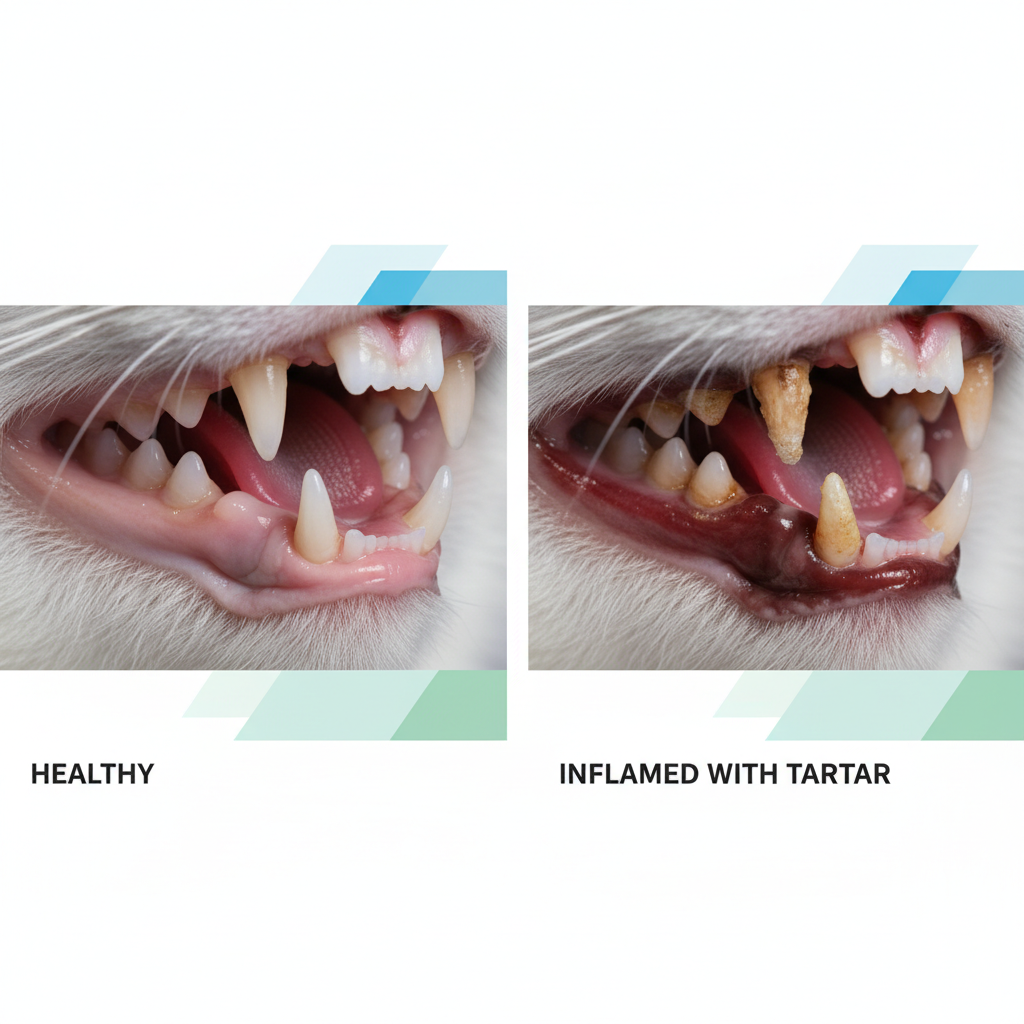
- Red gumline, visible tartar, or “angry” looking gums
- Drooling, pawing at the mouth, chewing on one side
- Decreased appetite, preference for soft food, or dropping kibble
- Weight loss or hiding more than usual
Red flags: don’t wait
- Facial swelling, pus, bleeding, or a foul smell that suddenly spikes
- Breath that smells like ammonia, chemicals, or very “sweet”
- Vomiting, lethargy, increased thirst/urination
Natural home remedies that are actually safe (and how to use them)
“Natural” can still be unsafe for cats, especially anything involving essential oils, concentrated extracts, or human mouthwash ingredients. The safer path is boring but effective: mechanical cleaning, hydration, and vetted dental support.
1) Brush teeth (small habit, big payoff)
This is the closest thing to a reliable cat bad breath remedy you can do at home. It reduces bacterial load where the smell starts.
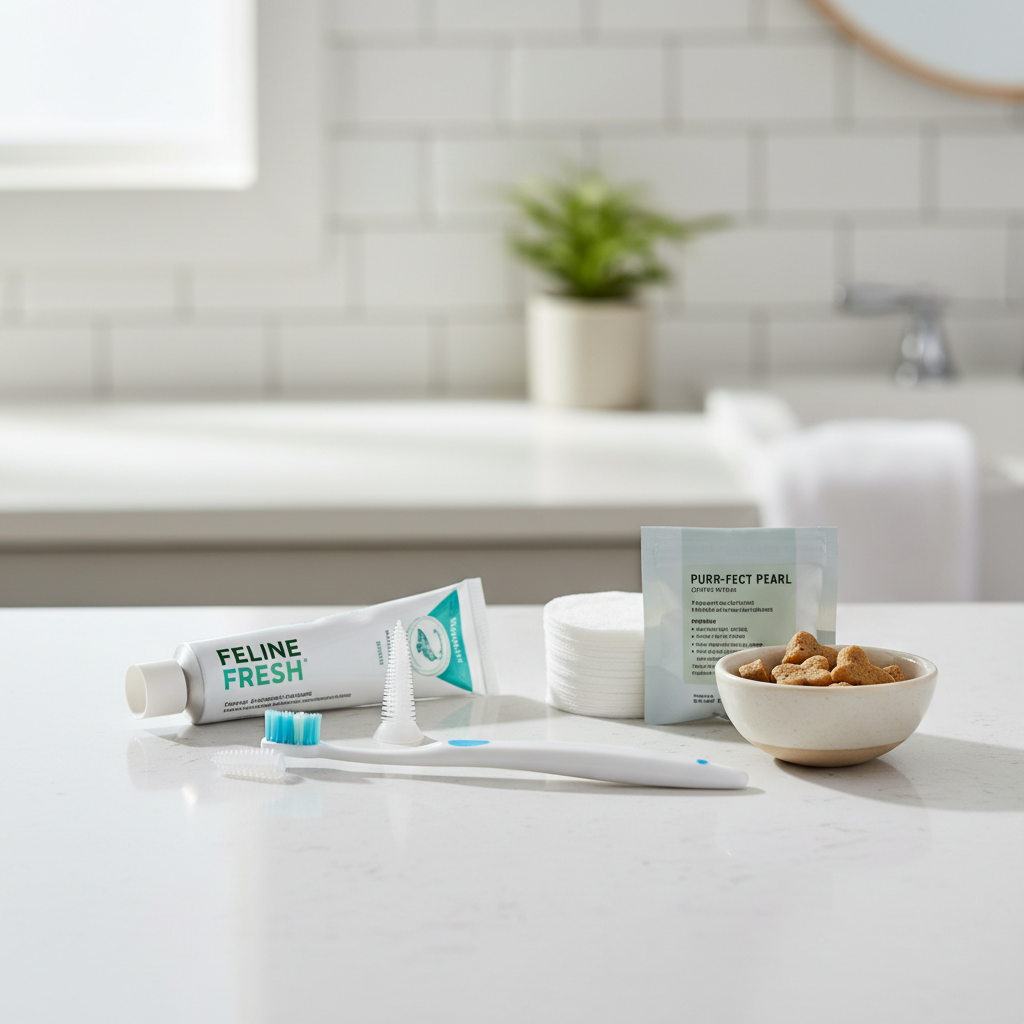
- Use a cat-specific toothpaste (never human toothpaste, many contain xylitol or fluoride concerns).
- Start with finger brushing or a soft brush, 10–20 seconds per side.
- Aim for 3–4 times/week; daily is ideal, but consistency beats perfection.
2) Dental wipes or dental gels (good for cats who refuse brushes)
If brushing is a non-starter, wipes can still disrupt plaque. Choose products made for cats and follow label directions. If your cat has sore gums, go gentle and pause if they resist.
3) Water additives approved for cats
Some water additives help reduce oral bacteria. Look for cat-labeled products and avoid anything with strong flavors that reduce water intake. If your cat is picky, offer a second plain-water bowl so hydration doesn’t drop.
4) Dental treats or dental diets (use them strategically)
Certain treats and kibbles are designed to scrape teeth a bit as cats chew. They won’t fix existing periodontal disease, but they can help maintenance. If your cat already has mouth pain, crunchy items may backfire, so watch how they chew.
5) Increase hydration and rinse the “food funk” factor
- Offer a cat water fountain, many cats drink more with moving water.
- Add a spoon of water to wet food if your cat tolerates the texture.
- Clean bowls daily; biofilm buildup can add odor fast.
According to the American Animal Hospital Association (AAHA), dental care is a key part of preventive health, and home dental routines work best when paired with regular veterinary oral exams.
What to avoid (common “natural” tips that can be risky)
A lot of viral advice sounds harmless until you remember cats process chemicals differently than humans.
- Essential oils (peppermint, tea tree, clove): cats can be sensitive, and ingestion risk is real.
- Baking soda used as toothpaste: can irritate the mouth and upset the stomach if swallowed.
- Hydrogen peroxide: can damage tissues and cause vomiting if ingested.
- Human mouthwash: often contains alcohol or xylitol, not cat-safe.
- Garlic or “immune” powders: many allium ingredients are toxic to cats in enough quantity.
If you’re unsure about an ingredient, treat it as “not cat-safe” until your veterinarian confirms otherwise.
Pick the right approach: a simple decision table
Different causes respond to different actions. Use this as a quick, realistic guide.
| What you notice | What it often means | What to do next |
|---|---|---|
| Mild odor, teeth look mostly clean | Early plaque or food residue | Start brushing or wipes, add hydration support, re-check in 10–14 days |
| Yellow/brown tartar, red gumline | Gingivitis/periodontal disease | Book a vet dental exam; home care helps after professional plan |
| Drooling, head tilt while chewing, pawing mouth | Painful oral issue, possible lesions | Vet visit soon; avoid crunchy “solutions” until assessed |
| Ammonia/urine-like breath | Possible kidney involvement | Vet appointment promptly for lab work |
| Sweet/acetone breath, weight loss, thirsty | Possible diabetes or metabolic issue | Urgent vet evaluation recommended |
A practical 14-day plan to improve breath at home
If your cat has no red flags, this two-week routine is a reasonable way to test whether you’re dealing with mild dental buildup versus something deeper.
Days 1–3: set the baseline without picking a fight
- Smell check once daily, note if odor is constant or meal-related.
- Lift the lip briefly, look for redness, tartar, or a broken tooth.
- Switch to fresh bowls, fresh water, and clean feeding areas.
Days 4–10: add one dental habit your cat will tolerate
- If cooperative: brush with cat toothpaste 3–5 times during this window.
- If not: use dental wipes every other day.
- Optionally add a cat-safe water additive if your cat still drinks well.
Days 11–14: maintain, then decide
- Keep the routine steady, don’t stack too many new products at once.
- If breath improves, continue and plan a regular dental check at the next vet visit.
- If breath stays strong or worsens, stop experimenting and schedule an oral exam.
Key point: if you see pain signals at any step, a home cat bad breath remedy should pause, comfort comes first.
When professional help is worth it (and what “dental” may involve)
Some cats need more than maintenance, and that’s not a failure, it’s just biology. A veterinary oral exam can reveal issues below the gumline that home care can’t touch.
- Professional dental cleaning (often under anesthesia): allows cleaning under the gumline and dental X-rays in many clinics.
- Extractions: sounds scary, but painful teeth often make cats feel better quickly once healed.
- Workup for systemic causes: bloodwork/urinalysis if breath odor suggests kidney or metabolic disease.
According to the American Veterinary Medical Association (AVMA), pets commonly require anesthesia for thorough dental procedures because cleaning below the gumline and taking dental radiographs require immobility for safety and accuracy.
Key takeaways before you try another “fix”
- Bad breath is most often dental, but not always, and smell type matters.
- A safe “natural” approach usually means brushing, wipes, hydration, and vetted dental products, not kitchen ingredients.
- If you see pain, swelling, or systemic signs, skip the DIY loop and call your vet.
If you want one action today, make it simple: check the gumline, then commit to a small dental routine your cat will actually accept.
FAQ
What is the best cat bad breath remedy if my cat won’t let me brush?
Dental wipes or a cat-safe dental gel are usually the next best option, because they still disrupt plaque. Go slow, aim for short sessions, and avoid forcing it if your cat shows stress or mouth pain.
Can I use coconut oil as a natural remedy for cat bad breath?
Small amounts of coconut oil are sometimes used as a “palatability trick,” but it is not a reliable dental fix, and too much fat can upset some cats’ stomachs. If you try it, keep portions tiny and prioritize mechanical cleaning instead.
Is bad breath in cats always dental disease?
No. Dental disease is common, but kidney disease, diabetes, and oral masses can also change breath odor. If the smell is unusually sweet or ammonia-like, a vet visit is a safer move than home experiments.
How long should a home routine take before I see improvement?
For mild plaque and food-related odor, you might notice changes within 1–2 weeks. If there’s established tartar or gum infection, home care often plateaus, that’s typically when professional cleaning enters the conversation.
Are dental treats enough to fix my cat’s breath?
They can help maintenance in some cats, but they rarely reverse existing periodontal disease. If your cat already has red gums or visible tartar, treats are more supportive than corrective.
Why does my cat’s breath smell like fish all the time?
Fish-based diets can contribute, but constant fishy odor often means bacteria in the mouth and early gum inflammation. Check for redness at the gumline and consider starting brushing or wipes, then reassess soon.
What if my cat’s breath smells worse after eating wet food?
Wet food can leave residue on teeth, especially if your cat doesn’t chew much. Try rinsing the routine with more water intake, bowl hygiene, and a dental habit; if the odor becomes constant, schedule an exam.
If you’re trying to pick a cat bad breath remedy without buying a shelf of products, focus on one routine your cat tolerates and one cat-safe dental support item, then track change for two weeks. If the smell stays stubborn, a veterinary dental check often saves time and guesswork.