
how to stop dog from eating grass usually starts with one honest question, is your dog casually “grazing” out of boredom, or is this a sign of stomach upset, diet mismatch, or stress.
Grass-eating looks harmless until it turns into vomiting, diarrhea, pesticide exposure, or a pattern you can’t interrupt on walks, and it’s frustrating because it often happens fast, right when you look away.
This guide breaks down the most common reasons dogs eat grass, how to tell what category your dog likely fits, and what to do next, including simple training cues, feeding tweaks, and yard safety checks, without pretending there’s one magic fix for every dog.
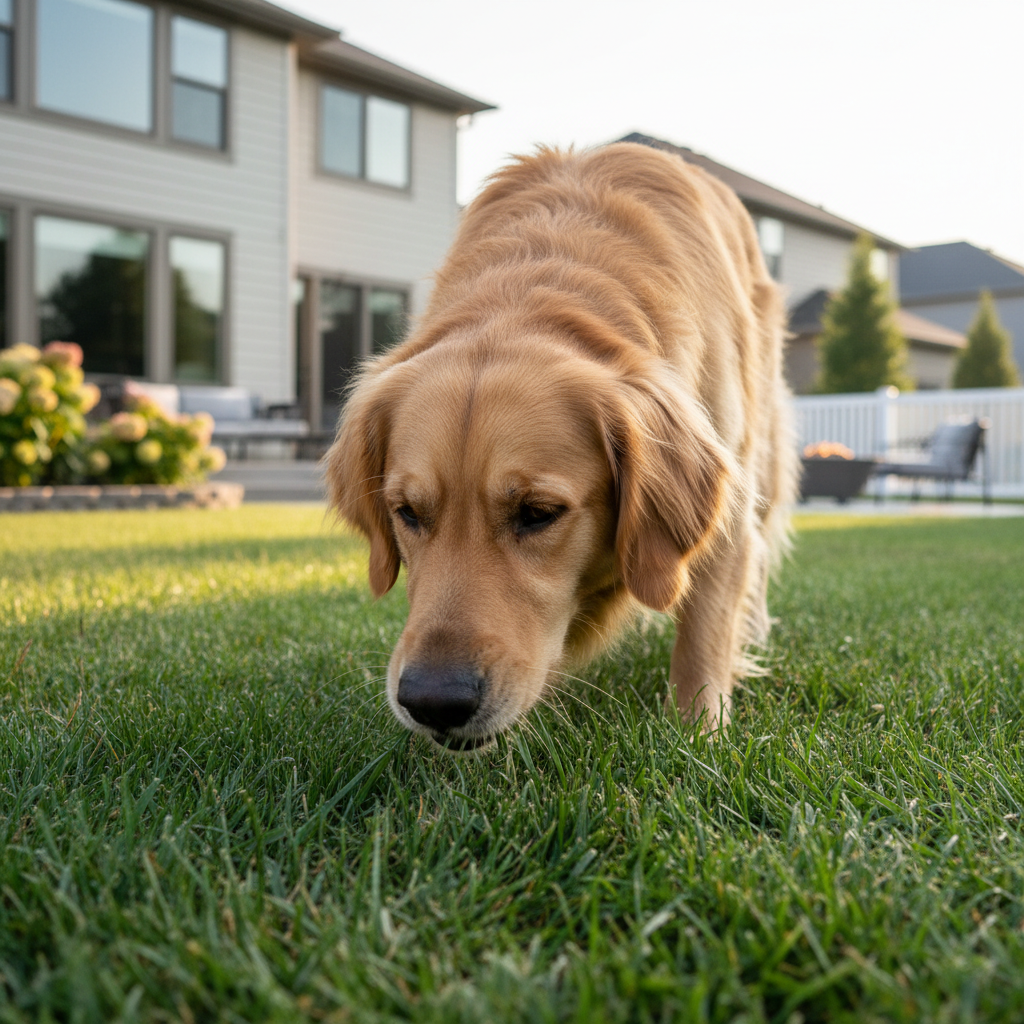
Why dogs eat grass (and when it matters)
Dogs eat grass for a bunch of reasons, and many cases are behavioral rather than medical, but you still want to take it seriously because the “why” determines the fix.
- Normal canine scavenging: Many dogs explore with their mouths, grass becomes one more “sample,” especially puppies and adolescent dogs.
- Boredom or under-stimulation: Long yard time, slow walks, or repetitive routes can turn grazing into a self-made activity.
- Stress relief: Some dogs chew grass when they feel conflicted, overwhelmed, or over-aroused, think busy dog parks, noisy streets, or separation anxiety.
- GI discomfort: Mild nausea, reflux, or an empty stomach can trigger grass-eating, sometimes followed by vomiting, sometimes not.
- Dietary mismatch: Not “fiber deficiency” in a simplistic sense, but some dogs do better with different meal timing, digestibility, or added vet-approved fiber.
- Learned habit: If grass-eating reliably ends the walk because you rush home, your dog may repeat it because it works.
According to the American Veterinary Medical Association (AVMA), sudden diet changes, parasites, and other digestive issues can contribute to GI signs, so patterns paired with vomiting or diarrhea deserve a closer look rather than a quick training-only approach.
Quick self-check: what pattern does your dog fit?
Before you try to stop the behavior, spend a few days noticing when it happens and what follows, the pattern usually points to the right lever.
Fast checklist
- Timing: Right before meals, late at night, first thing in the morning, or only on walks?
- Environment: Only in one yard, near certain plants, at the dog park, or near sidewalks treated with chemicals?
- Body language: Relaxed sniff-and-nibble, or frantic gulping with tension?
- After effects: Vomiting, gagging, lip-licking, grass in stool, loose stool, or no symptoms?
- Diet routine: Long gaps between meals, high-value treats on walks, recent food switch?
- Training history: Does “leave it” work for other items, or does your dog ignore you outdoors?
If you want an even quicker call, use this table as a starting point, it’s not a diagnosis, just a decision aid.
| What you see | Most likely driver | Good first move |
|---|---|---|
| Slow nibbling, calm sniffing, no vomiting | Exploration or habit | Train “leave it” + reinforce sniffing without eating |
| Intense gulping, hard to interrupt | Stress, arousal, or reinforcement history | Shorten walks, add pattern games, use a basket muzzle if needed |
| Grass right before vomiting or gagging | GI upset or reflux | Call your vet, adjust meal timing only with guidance |
| Only in treated lawns or near sidewalks | Attraction to scents or chemicals | Avoid area, switch route, use long-line + management |
| New behavior in an older dog | Pain, nausea, cognitive change, new meds | Vet check before you assume it’s “bad manners” |
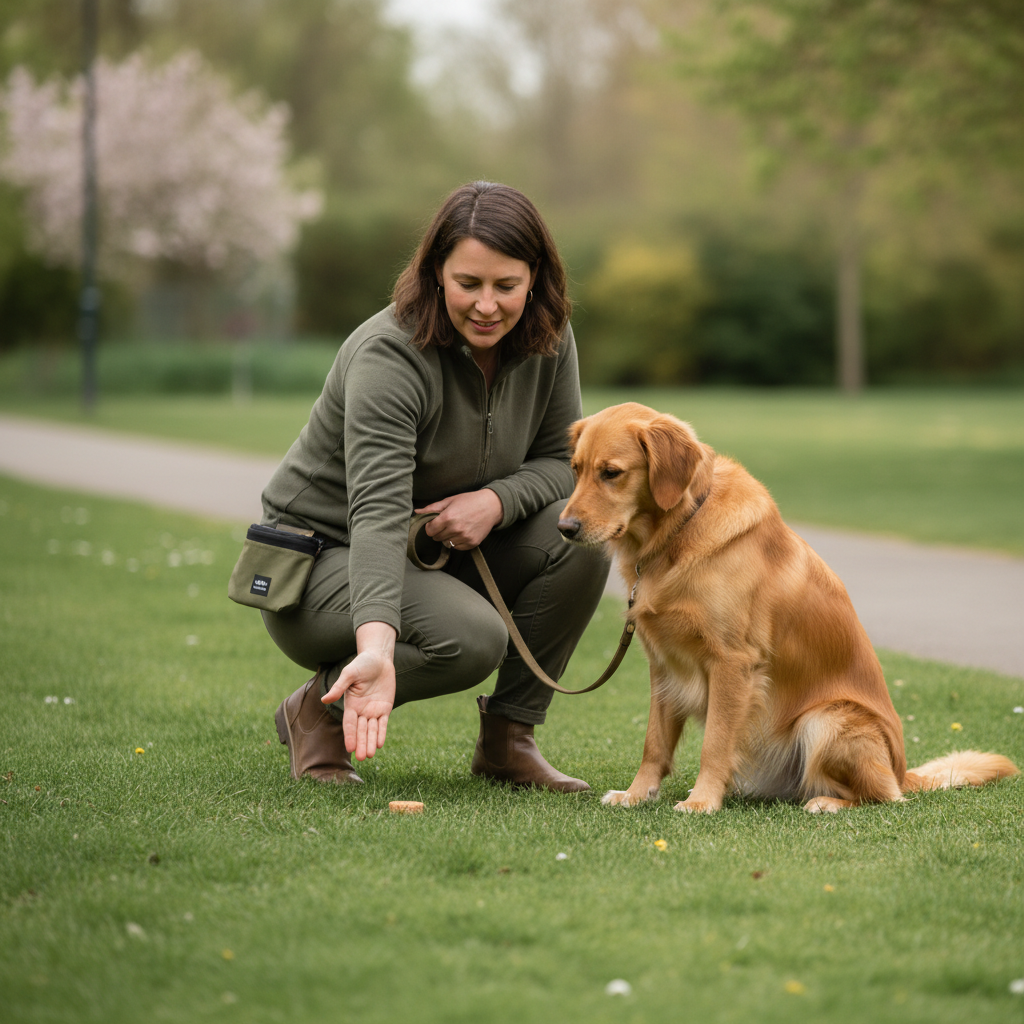
How to stop grass-eating on walks: training that works in real life
how to stop dog from eating grass on walks is less about saying “no” louder, and more about building a cue your dog can actually follow when outside smells take over.
Step 1: Teach “leave it” away from grass
- Start indoors with a boring treat in a closed fist, reward when your dog stops investigating and looks away.
- Add the cue word, keep reps short, end while your dog still wants more practice.
- Move to the yard or driveway, then to low-distraction grass.
Step 2: Add a positive “do this instead” habit
Many dogs need a replacement behavior, not just inhibition.
- “Find it” treat toss: Toss a treat on pavement or a clean surface so your dog uses their nose without mowing the lawn.
- Hand target: Teach nose-to-hand touch, then use it as a quick redirect when your dog dives for grass.
- Pattern games: Simple, predictable sequences (walk 3 steps, treat; turn, treat) can reduce scanning for snacks in the ground.
Step 3: Tighten timing, then fade food
- Reward the choice to pass grass, not just the moment after you yank them away.
- As the habit improves, switch to intermittent rewards and add praise, movement, and permission to sniff as “payment.”
According to the American Kennel Club (AKC), positive reinforcement training helps build reliable behaviors without escalating stress, which matters because stress itself can fuel compulsive grazing in some dogs.
Home and yard strategies: reduce opportunity without turning life into a battle
Training is easier when the environment stops setting your dog up to fail, especially if your dog has a strong “foraging” style.
- Supervise yard time: If your dog free-roams and snacks constantly, you’re reinforcing the habit daily.
- Create a “potty zone”: A small, low-grass area (mulch, pea gravel, or short turf) can reduce grazing during bathroom breaks.
- Provide legal chewing: Vet-approved chews, food puzzles, and lick mats can scratch the oral fixation itch without the lawn buffet.
- Refresh enrichment: Rotate toys every few days, boring familiar items often lead dogs back to grass as entertainment.
If your dog targets specific grass patches, consider blocking access temporarily, a light garden fence for a couple weeks can break the “always here” routine.
Nutrition and stomach comfort: small adjustments that often help
Some dogs eat grass because their stomach feels off, and that’s where owners can accidentally go too far, adding random supplements, changing food repeatedly, and creating more GI chaos.
What you can discuss with your vet
- Meal timing: Dogs that graze early morning may do better with a small bedtime snack, but only if weight and health allow.
- Diet consistency: Frequent switches can worsen loose stool, if you change food, do it gradually.
- Vet-approved fiber: In some cases, a modest fiber increase helps stool quality and gut motility, but dose and source matter.
- Parasite prevention and testing: If your dog also eats poop, loses weight, or has persistent diarrhea, bring a stool sample.
According to the American Animal Hospital Association (AAHA), persistent vomiting or diarrhea should be evaluated by a veterinarian, and diet changes are safest when guided, especially for puppies, seniors, and dogs with chronic conditions.
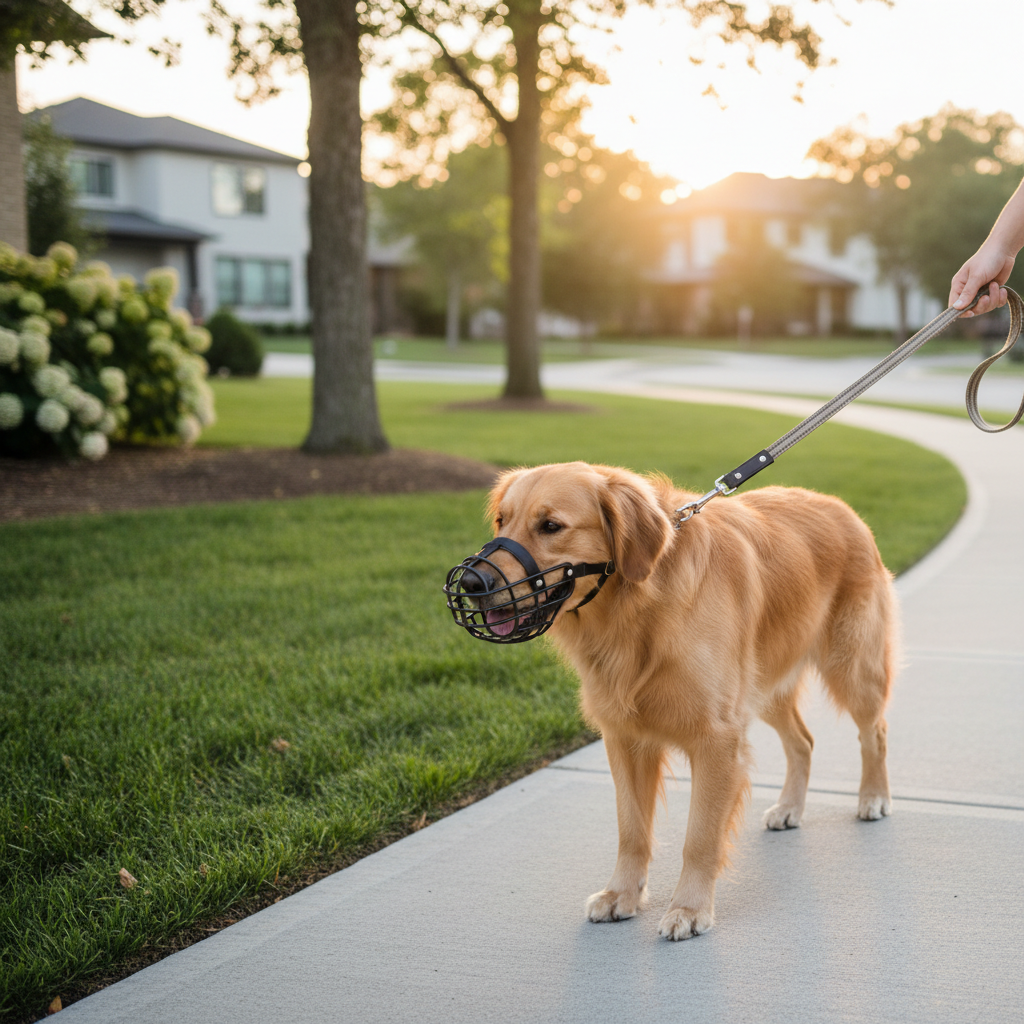
Safety and management tools for heavy grazers
When grass-eating is intense, management keeps your dog safe while training catches up, and for some households, that’s the difference between progress and constant setbacks.
- Use a front-clip harness: It gives you leverage without neck pressure, helpful when your dog lunges for grass.
- Choose cleaner routes: Avoid lawns that may be treated with fertilizers, herbicides, or pesticides, and stick to paths where you can see what your dog targets.
- Try a basket muzzle if needed: This can be a humane, temporary tool for dogs that vacuum grass or pick up dangerous items, but it must be properly fitted and introduced slowly with rewards.
- Short leash, long plan: A shorter leash near tempting grass helps prevent rehearsal, then you can give more freedom in low-risk areas.
Key point: Management is not “giving up,” it’s just reducing risk while you work on the root cause.
Common mistakes that keep the habit going
Most owners aren’t doing anything “wrong,” they’re just accidentally teaching the dog that grass is valuable, or that grazing controls the walk.
- Chasing your dog around the yard: It becomes a game, and the grass becomes the prize.
- Yanking the leash at the last second: You end up practicing conflict near grass, not a clean cue.
- Letting it happen “sometimes”: Intermittent access can strengthen habits, like a slot machine.
- Over-correcting a nauseous dog: If there’s vomiting, belly discomfort, or drooling, punishing can add stress and worsen GI signs.
- Ignoring lawn chemicals: Even if grass itself is harmless, residues might not be, and you often can’t tell what a neighbor used.
When to call a vet or a qualified trainer
how to stop dog from eating grass becomes a medical question when symptoms stack up or the behavior changes quickly.
Vet sooner rather than later if you notice
- Repeated vomiting, blood in vomit or stool, black/tarry stool, or dehydration signs
- Diarrhea lasting more than a day or two, especially in puppies or small dogs
- Sudden increase in grass-eating in an adult or senior dog
- Weight loss, reduced appetite, lethargy, or abdominal pain
- Possible toxin exposure, including treated lawns or mushrooms
Trainer help makes sense when
- Your dog guards grass or becomes frantic and unreachable outdoors
- You can’t interrupt scavenging safely even with high-value treats
- Walks feel stressful for you, your dog, or both
Look for a credentialed positive reinforcement professional, and if anxiety seems involved, a board-certified veterinary behaviorist may be appropriate.
Key takeaways you can use this week
- Identify the pattern before you pick a strategy, calm nibbling and frantic gulping are not the same problem.
- Train “leave it” indoors, then generalize slowly, outdoor success comes from reps, not willpower.
- Manage exposure with better routes, supervision, and tools like a harness or basket muzzle when needed.
- Don’t ignore GI signs, grass-eating plus vomiting or diarrhea is a reason to check with a veterinarian.
If you want a simple next step, pick one training cue to practice daily for five minutes, and pair it with one management change on every walk, that combo usually shifts the habit faster than trying ten things at once.
FAQ
- Is it normal for dogs to eat grass sometimes?
It can be common, especially in young dogs and curious adult dogs, but “normal” doesn’t automatically mean “safe,” lawns can hide chemicals, parasites, or sharp plant material. - Why does my dog eat grass and then throw up?
Some dogs graze when they feel nauseous, and the grass can irritate the stomach enough to trigger vomiting, if this happens often or comes with diarrhea or lethargy, a vet check is a better move than guessing. - Will adding fiber stop grass-eating?
Sometimes it helps, sometimes it changes nothing, and occasionally it worsens stool if the dose is off, it’s worth discussing with your vet rather than experimenting aggressively. - How do I stop grass-eating without pulling the leash?
Teach “leave it” and a replacement like hand targeting, then reward your dog for choosing to pass grass, you’re building a habit, not winning a tug-of-war. - My dog only eats grass at the dog park, why?
Over-arousal and stress can show up as frantic grazing, try arriving at quieter times, taking breaks, or skipping the park while you rebuild calmer outdoor skills. - Is a muzzle cruel for stopping grass-eating?
A properly fitted basket muzzle, introduced gradually with treats, can be a humane safety tool for dogs that vacuum grass or dangerous items, it should not be used as punishment. - Could lawn treatments make grass-eating dangerous?
Yes, depending on the product and exposure, you usually can’t verify what was applied on shared lawns, so route choice and management matter if your dog mouths plants.
If you’re dealing with a dog that treats every walk like a salad bar, and you want a more straightforward plan, a vet-guided check for GI triggers plus a trainer-built “leave it” routine often saves time and worry, especially when you’re trying to balance safety with letting your dog enjoy being outside.